Welcome to the world of Super Automatic Espresso Machines, where café-quality beverages are just a touch away. For over 15 years, I’ve had the pleasure of diving deep into the mechanics, hydraulics, and, most importantly, the delicious output of these incredible devices. As the lead content creator for “Espresso,” the premier platform for espresso machine knowledge in the US, I’ve seen firsthand how these machines transform daily routines, bringing the art of espresso into countless American homes with unparalleled convenience.
A super automatic espresso machine is truly a marvel of engineering, designed to handle nearly every step of the brewing process for you. From grinding fresh beans to frothing milk to perfection, these “bean-to-cup” machines empower you to enjoy a wide array of espresso-based drinks without the need for extensive barista training. If you cherish the ritual of a perfectly brewed coffee but are short on time or desire simplicity, then a super automatic espresso machine might just be your next favorite kitchen companion.
The Rise of Automation: A Brief History of Super Automatic Espresso Machines
The journey of the espresso machine, from its manual lever origins in the early 20th century to today’s sophisticated super automatics, is a testament to human ingenuity and our unyielding quest for the perfect cup. While manual and semi-automatic machines dominated for decades, offering baristas precise control, the concept of a fully automated espresso maker began to take shape, particularly for commercial use in the early 1990s. It wasn’t until the turn of the millennium, around the year 2000, that super automatic technology truly made its way into home kitchens. These machines were initially designed to simplify the espresso-making process, combining an internal grinder and tamping mechanism. What started as basic automation has evolved into sophisticated devices that offer extensive customization, smart connectivity, and a vast menu of one-touch beverages. Today, they represent the pinnacle of convenience, making barista-level coffee accessible to everyone.
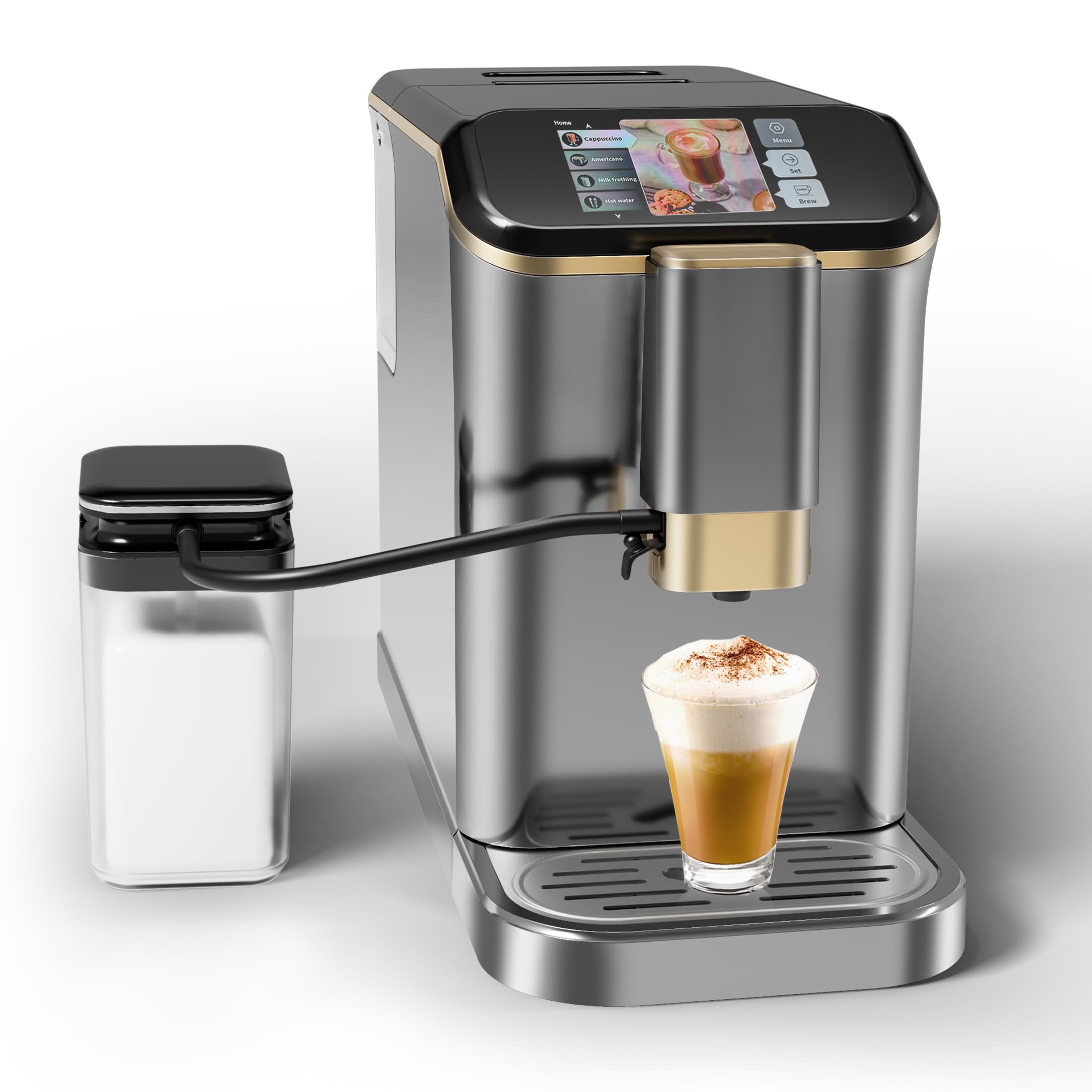
How Do Super Automatic Espresso Machines Work Their Magic?
At its core, a super automatic espresso machine operates on a “bean-to-cup” principle, executing a seamless dance of precision engineering to transform whole coffee beans into your desired drink. Here’s the breakdown:
- Grinding: It all starts with the beans. You load whole coffee beans into an integrated hopper, which then feeds them into a high-quality burr grinder. This grinder precisely mills the beans for each individual shot, ensuring maximum freshness and aroma. Many modern machines feature adjustable grind settings, allowing you to fine-tune the particle size to your preference.
- Dosing and Tamping: Once ground, the exact amount of coffee is automatically dispensed into the brew unit. Here, an internal mechanism tamps the coffee grounds with consistent pressure, creating a compact “puck.” This uniform tamping is crucial for optimal water flow and extraction.
- Brewing: The machine then heats water to the ideal brewing temperature using a powerful boiler or thermoblock system. A high-pressure pump forces this hot water through the tamped coffee puck at around 9-15 bars of pressure. This rapid extraction process, typically lasting about 25-30 seconds, creates the rich, concentrated espresso shot we all love, complete with a beautiful crema. Some machines also incorporate a “pre-brewing” or “pre-infusion” phase, where the grounds are briefly moistened before full pressure is applied, enhancing flavor extraction and preventing channeling.
- Milk Frothing (for specialty drinks): Many super automatic machines come equipped with advanced milk systems. These can range from a simple pannarello wand, which helps you manually steam milk, to fully automatic carafe or tube-fed systems that draw milk from a container, froth it to your desired texture, and dispense it directly into your cup. Some high-end models even offer cold foam capabilities for iced beverages.
- Waste Management: After brewing, the spent coffee puck is automatically ejected into an internal dreg drawer, and excess water goes into a drip tray, simplifying cleanup significantly.
“The beauty of a super automatic is its relentless consistency,” says Sarah Chen, a renowned coffee engineer with two decades of experience. “Every single component, from the burr grinder to the pump, is calibrated to work in harmony, delivering a repeatable quality that’s hard to achieve manually, especially on a busy morning.”
Unpacking the Different Types of Super Automatic Espresso Machines
Super automatic machines aren’t one-size-fits-all. They broadly fall into categories based on features, customization, and price point:
- Entry-Level Super Automatics: These machines focus on core functionality: one-touch espresso, coffee, and sometimes hot water/steam. They are excellent for those new to automatic brewing who prioritize ease of use and consistent basic drinks. Models like the Gaggia Brera or Philips 3200 LatteGo often fit this description.
- Mid-Range Super Automatics: Stepping up, these offer more drink options, greater customization (e.g., adjustable grind, brew strength, temperature), and often more sophisticated milk systems with integrated carafes. They provide a good balance between convenience, quality, and features without breaking the bank. The De’Longhi Dinamica Plus or Jura E8 are popular choices here.
- High-End Super Automatics: These are the crème de la crème, packed with advanced technology. Expect extensive drink menus (including cold brew options), highly customizable user profiles, touchscreen interfaces, smart app connectivity, dual grinders for different bean types, and premium build materials. Machines like the Jura Z10 or Breville Oracle Touch (which blends super-auto convenience with some semi-auto control) sit in this luxury tier.
Mastering Your Super Automatic: A Step-by-Step Usage Guide
Even with all the automation, a little know-how goes a long way in getting the most from your super automatic espresso machine.
Initial Setup
- Read the Manual: Seriously, every machine is a bit different. Your manual is your best friend.
- Water Hardness: Test your tap water’s hardness (many machines come with test strips) and input the reading into your machine’s settings. This helps it calibrate descaling reminders.
- Install Water Filter: If your machine comes with a water filter, install it in the water tank. This improves taste and reduces mineral buildup.
- Prime the System: Follow the manufacturer’s instructions to run water through the system, purging any air and ensuring it’s ready for brewing. This is usually a one-time step.
Daily Operation
- Fill the Water Tank: Always use fresh, filtered water.
- Fill the Bean Hopper: Use fresh, high-quality, non-oily whole beans for the best results and to prevent grinder issues.
- Power On and Warm Up: Allow the machine to fully warm up. You’ll know it’s ready when the display indicates or the ready light illuminates.
- Select Your Drink: Navigate the menu, choose your desired beverage, and place your cup under the spouts.
- Enjoy: Press the button and let the magic happen!
Customizing Your Brew
Don’t be afraid to experiment with your super automatic espresso machine’s settings. Most allow you to adjust:
- Grind Size: Finer for stronger espresso, coarser for lighter coffee. Adjust in small increments.
- Coffee Strength/Dose: Controls the amount of coffee grounds used per shot.
- Water Volume/Temperature: Customize shot length and temperature.
- Milk Texture: If applicable, experiment with milk foam density for lattes, cappuccinos, or flat whites.
Brewing Perfection: Tips for Elevating Your Super Automatic Espresso
Even the most advanced super automatic can only perform as well as its inputs allow. To truly unlock its potential:
- Quality Beans are King: This is non-negotiable. Freshly roasted, high-quality beans make all the difference. Avoid overly oily beans, as they can gum up internal grinders and lead to blockages or wear over time. “Dryer beans will have a more matte finish,” notes many experts.
- Filtered Water is Crucial: Water accounts for over 90% of your coffee, so its quality matters. Filtered water not only improves taste but also significantly reduces limescale buildup, extending your super automatic espresso machine’s lifespan.
- Experiment and Document: Don’t settle for default settings. Play with grind, strength, and milk settings. Keep a small notebook to record your favorite combinations for different beans and drinks.
- Warm Your Cups: A simple trick that makes a big difference. Pre-warming your espresso cups helps maintain the drink’s temperature and preserves delicate flavors.
Keeping Your Machine Pristine: Essential Maintenance & Cleaning
Regular maintenance is the secret sauce to a long-lasting super automatic espresso machine and consistently delicious coffee. Think of it as caring for a high-performance vehicle—it needs routine attention.
Daily Cleaning
- Empty Drip Tray & Dreg Drawer: These collect spent grounds and excess water. Empty and rinse them daily to prevent mold and odors.
- Rinse Milk System: If your machine has an automatic milk frother, run its quick rinse cycle after each use. For detachable parts, rinse them under warm water. Milk residue can quickly become a breeding ground for bacteria.
- Wipe Down Exterior: A quick wipe with a damp cloth keeps your machine looking spotless.
Weekly Cleaning
- Clean the Brew Group (if removable): Many machines have a removable brew unit. Take it out and rinse it thoroughly under lukewarm water, without soap, to remove coffee residues and oils. Allow it to air dry completely before reinserting. Note that Jura machines typically have non-removable brew groups, relying on internal cleaning cycles.
- Clean Water Tank: Empty and rinse the water tank, scrubbing away any mineral deposits.
Monthly/Regular Maintenance
- Descaling: This is vital. Mineral deposits (limescale) from water build up inside the machine, affecting performance and taste. Follow your manufacturer’s instructions precisely, using their recommended descaling solution. The frequency depends on your water hardness and usage, but typically every 1-3 months.
- Cleaning Tablets (if applicable): Some machines, especially those with non-removable brew groups like Jura, require cleaning tablets to remove internal coffee oils. Follow the machine’s prompts, usually once a week or as needed.
- Lubricate Brew Group (if removable and recommended): If your brew group is removable and the manufacturer recommends it, apply food-grade lubricant to the moving parts to ensure smooth operation.
Troubleshooting Common Issues
- Grinder Not Dispensing Coffee: Often caused by using overly oily beans. If safe and the machine is empty, you can sometimes gently clear blockages with a small pick. Switching to dryer beans is the best long-term solution.
- Machine Not Pulling Coffee/Low Pressure: Check if your water filter is clogged or needs replacement. If not, it could be issues with O-rings on the boiler pin or brew unit.
- Brew Unit Stuck: If you remove the drip tray or open a side door before the brew unit has reset to its home position, it can get stuck. Turning the machine off and on again often resolves this by allowing it to reset.
Navigating the Market: Choosing Your Ideal Super Automatic Espresso Machine
Selecting the right super automatic espresso machine involves balancing your budget with desired features and your coffee habits.
Budget Considerations
Quality super automatic espresso machines for home use can range from around $450 to well over $4,000. Entry-level models provide great basic functionality, while mid-range ($2,000-$3,500) offers enhanced grinders and more customization. Premium models ($3,500+) boast commercial-grade components and advanced programmability. The sweet spot for many lies in the $2,000-$3,000 range, offering robust performance without excessive features.
Features to Look For
- One-Touch Drink Menu: How many pre-programmed drinks does it offer (espresso, cappuccino, latte, macchiato, Americano, flat white, cold brew)?
- Customization & Programmability: Can you adjust grind size, coffee strength, water temperature, milk foam texture, and save personal profiles?
- Milk System: Do you prefer a simple steam wand, an integrated carafe, or a direct-to-cup automatic frother? Some machines offer advanced cold milk frothing.
- Grinder Quality: Ceramic burrs are often preferred for their durability and consistent grind, though steel burrs are also excellent. Look for adjustable settings.
- Removable Brew Group: This can simplify cleaning for some, though Jura’s non-removable units rely on effective automated cleaning cycles.
- Bypass Doser: Allows you to use pre-ground coffee (e.g., decaf) without emptying the bean hopper.
- Smart Features: App connectivity for remote brewing, customizable recipes, and maintenance alerts.
- Noise Level: Some machines are significantly quieter during grinding and brewing than others.
Popular Brands & Models
Leading brands in the super automatic space include:
- Jura: Known for premium quality, sleek design, and sophisticated brewing technology, often featuring Pulse Extraction Process (PEP) and intelligent pre-brewing. Models like the Jura Z10 and E8 are highly regarded.
- De’Longhi: Offers a wide range of machines, from entry-level to advanced, with features like LatteCrema systems and diverse drink menus. The Dinamica Plus and Eletta Explore are popular.
- Philips/Saeco: Often praised for user-friendly interfaces and easy-to-clean milk systems (like LatteGo). The Philips 3300 LatteGo is a fan favorite.
- Gaggia: A classic Italian brand providing reliable performance and excellent value, with models like the Magenta Prestige and Brera.
- Breville: While some models blur the line with semi-automatics (like the Oracle Touch), their fully automated options are known for robust build and consistent results.
- Miele: High-end appliances offering exceptional build quality and advanced features.
- Terra Kaffe: Emerging brand focusing on modern design and ease of use, including drip coffee capabilities.
Super Automatic vs. Semi-Automatic: Which Style Suits You?
This is a classic debate in the coffee world, and the “best” choice really depends on your priorities.
- Super Automatic:
- Pros: Unparalleled convenience, one-touch operation, high consistency, minimal learning curve, often integrated milk systems.
- Cons: Less control over brewing parameters (grind, tamp pressure, extraction time), potentially higher repair costs due to complex internal components, may not always match the nuanced flavor of a perfectly pulled semi-automatic shot.
- Semi-Automatic:
- Pros: Maximum control over every variable (grind, dose, tamp, extraction time), potential for superior espresso quality and crema, allows for manual milk frothing for latte art, generally easier to repair and maintain due to fewer built-in parts.
- Cons: Requires skill and practice, more hands-on effort, often necessitates a separate grinder, steeper learning curve.
If you prioritize speed, consistency, and minimal effort, a super automatic espresso machine is your ideal match. If you relish the craft, enjoy hands-on control, and aspire to master the art of espresso, a semi-automatic will offer a more rewarding, albeit demanding, experience.
|
Our Picks for the Best Espresso Machine in 2026
As an Amazon Associate I earn from qualifying purchases.
|
||
| Num | Product | Action |
|---|---|---|
| 1 | Nespresso Vertuo Pop+ Coffee and Espresso Maker by Breville, Coconut White |

|
| 2 | Cheffman Barista Pro Espresso Machine With Milk Frother, Home Professional Coffee Maker For Lattes, Cappuccinos & Espresso Drinks – Compact Countertop Design |
|
| 3 | Breville Barista Express Espresso Machine BES870BSXL, Black Sesame |
|
| 4 | Espresso Machine 20 Bar, Compact Espresso Maker, Stainless Steel Expresso Coffee Machines with Steam Milk Frother & 34oz Removable Water Tank for Home Latte, Cappuccino, Silver |
|
| 5 | Nespresso Vertuo Plus Coffee and Espresso Maker by Breville, Ink Black |
|
| 6 | Breville Bambino Espresso Machine BES450BSS, Brushed Stainless Steel |
|
| 7 | Breville Barista Express Espresso Machine BES870XL, Brushed Stainless Steel |
|
| 8 | Frigidaire Steam Espresso Maker, Coffee Machine with Milk Frother & Cup Warmer, 20 Bar Pressure, 34 oz Removable Water Tank, Single or Double Shot, Stainless Steel |
|
| 9 | CASABREWS CM5418 Espresso Machine 20 Bar, Compact Espresso Maker with Steam Milk Frother, Stainless Steel Coffee Machine with 34oz Removable Water Tank for Cappuccino, Gift for Women or Men, Silver |
|
| 10 | De\\\'Longhi Nespresso Vertuo Plus Coffee and Espresso Maker by De\\\'Longhi, Grey |
|
Frequently Asked Questions (FAQ)
What is the difference between “fully automatic” and “super automatic” espresso machines?
The terms “fully automatic” and “super automatic” are often used interchangeably to describe machines that automate the entire coffee-making process from bean grinding to milk frothing with a single button press.
How long do super automatic espresso machines typically last?
With proper maintenance, a quality super automatic espresso machine can last anywhere from 7 to 15 years. Factors like build quality, usage frequency, and consistent cleaning significantly influence its lifespan.
Can I use any type of coffee beans in my super automatic espresso machine?
While you can technically use most whole beans, it’s highly recommended to use freshly roasted, non-oily beans. Oily beans can clog the internal grinder and cause damage or reduce performance over time.
How often should I descale my super automatic espresso machine?
Descaling frequency depends on your water hardness and usage. Most manufacturers recommend descaling every 1 to 3 months using their specified descaling solution to prevent mineral buildup and ensure optimal machine function.
Is it necessary to use a water filter in my machine?
Using a water filter is highly recommended. It improves the taste of your coffee by removing impurities and significantly reduces limescale buildup, which helps extend the life of your machine and reduce descaling frequency.
Conclusion
A super automatic espresso machine isn’t just an appliance; it’s an invitation to savor exceptional coffee without the fuss. It’s about bringing the vibrant café experience into your home, letting you explore a world of flavors with the effortless touch of a button. Whether you’re a busy professional, a budding coffee enthusiast, or simply someone who appreciates consistent quality, the convenience and performance of a super automatic espresso machine are undeniable.
Embrace the automation, experiment with your beans and settings, and stay diligent with maintenance. With a little care, your super automatic espresso machine will faithfully deliver perfect cups for years to come, elevating your daily coffee ritual and cementing its place as a cornerstone of your home coffee culture. Here’s to many delicious sips ahead!