As a seasoned espresso expert with over 15 years steeped in the rich aroma of the coffee industry, and as the lead content creator for “Espresso,” America’s premier espresso machine knowledge hub, I’ve seen it all. From the colossal commercial beasts to the sleek home units, my hands-on experience with the mechanics and hydraulics of these marvels is extensive. But there’s a special place in my heart—and often, in our kitchens—for the Small Espresso Machine. These compact powerhouses are more than just space-saavers; they’re gateways to exceptional espresso, redefining what’s possible in a limited footprint.
The Evolution of Espresso in Compact Form
For decades, the idea of brewing a truly café-quality espresso at home felt like a pipe dream unless you had ample counter space and a sizable budget for a commercial-grade machine. Those early espresso machines were often intimidating, demanding precise technique and a significant commitment of space. However, innovation, driven by a growing love for sophisticated coffee culture, has steadily miniaturized the technology. Today, a small espresso machine no longer means sacrificing quality or features. Manufacturers have ingeniously packed powerful brewing capabilities, robust steaming wands, and intuitive controls into designs that can fit comfortably in an apartment kitchen, a dorm room, or even a travel bag. This revolution means that the rich, aromatic world of espresso is now accessible to everyone, everywhere.
Finding Your Perfect Match: Types of Small Espresso Machines
The beauty of the small espresso machine market today is its diversity. Whether you’re a budding home barista eager to learn the craft or someone who simply wants a consistent, delicious shot with minimal fuss, there’s a compact machine designed just for you.
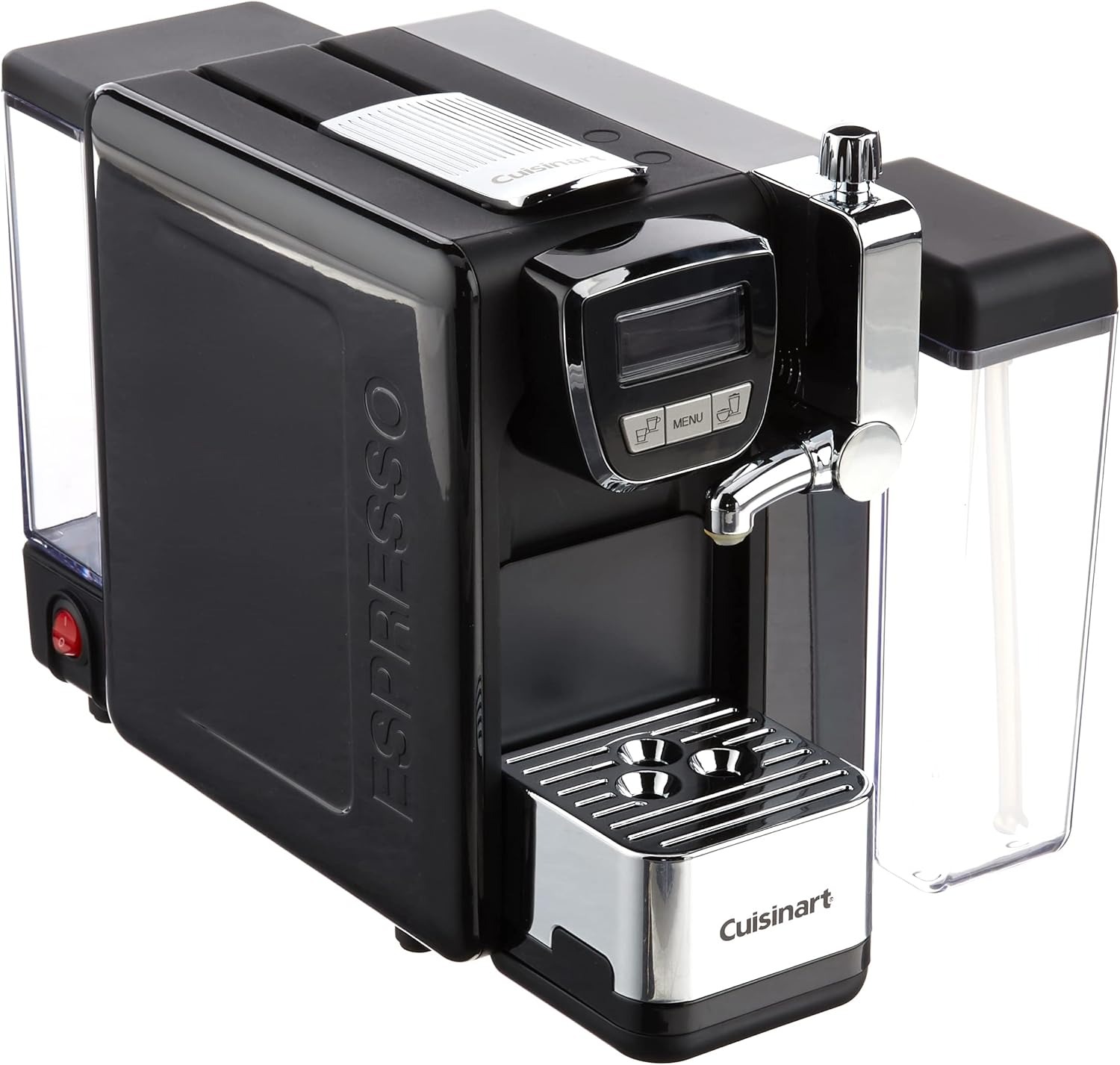
Semi-Automatic Small Wonders
These machines strike a fantastic balance between control and convenience. They typically feature a pump to draw water through your coffee grounds at the ideal pressure, but they give you the reins over grind size, tamping, and shot duration. Models like the Breville Bambino Plus are often celebrated for their quick heat-up times and impressive steaming capabilities in a compact package. The De’Longhi Dedica Duo, another standout, offers a remarkably slim profile while still delivering robust pressure for excellent extraction and even boasts a cold extraction option for iced drinks. These machines are perfect for those who enjoy the hands-on aspect of espresso making without needing to manage every single variable.
Fully Automatic Compact Brewers
For the ultimate in convenience, fully automatic small espresso machines handle everything from grinding your beans to frothing your milk at the touch of a button. The Smeg BCC13, for instance, blends iconic retro style with modern automation, making it a joy to use for consistently great espresso and milk-based drinks. These machines are ideal if your mornings are hectic or if you simply prefer a no-fuss approach to your daily caffeine ritual, ensuring a quality cup without the learning curve of manual techniques.
Pod-Based Convenience
When space is truly at a premium or you prioritize speed and simplicity above all else, pod-based small espresso machines are a fantastic solution. The Nespresso CitiZ & Milk Frother exemplifies this category, offering consistent quality and a built-in frother in a sleek, compact design. While they limit your coffee choice to pre-packaged pods, their ease of use and minimal footprint make them incredibly popular for quick, satisfying espresso drinks.
Manual & Portable Options
For the adventurous coffee lover or those with extremely limited space, manual and portable small espresso machines offer surprising capabilities. Devices like the Wacaco Nanopresso or the AeroPress Go are designed for travel, camping, or simply the smallest of countertops, allowing you to brew a decent shot of espresso with just hot water and ground coffee. And let’s not forget the classic Bialetti Moka Express, a stovetop icon that delivers a strong, espresso-like coffee with timeless simplicity and a tiny footprint. While they require more elbow grease and a separate water heating source, these options connect you directly to the brewing process.
The Heart of the Brew: How Small Espresso Machines Work (and What Matters)
At its core, an espresso machine works by forcing hot, pressurized water through finely ground coffee. But in a small espresso machine, this process is meticulously engineered to fit a compact design.
Pressure Systems: The 9-Bar Sweet Spot
Many small espresso machines advertise 15 or even 20 bars of pressure, but here’s an insider tip: the “golden standard” for optimal espresso extraction is around 9 bars. Anything significantly higher can actually lead to over-extraction and a bitter taste. The true magic lies in maintaining consistent pressure throughout the extraction, ensuring a rich, stable crema and a balanced flavor profile. A good small machine will focus on delivering this consistent pressure, not just a high number.
Heating Elements & Thermoblocks
Efficient heating is crucial for espresso. Smaller machines often utilize thermoblock heating systems, which rapidly heat water on demand, allowing for quick start-up times. The Breville Bambino Plus, for example, is known for heating up in a mere three seconds, getting you from sleepy to sipping in no time. This speedy heating also contributes to temperature stability, which is vital for proper extraction and a delicious shot.
Water Tanks & Portafilters
While compact, these machines still need adequate water reservoirs for several shots and a properly sized portafilter. Many small machines feature 54mm portafilters, which are slightly smaller than the 58mm commercial standard but are perfectly capable of producing excellent espresso. Look for easily removable water tanks for hassle-free refilling and cleaning, a common feature in well-designed small espresso machines.
Brewing Brilliance: Tips for Perfect Espresso from Your Compact Machine
Even with a small espresso machine, mastering the art of the perfect shot is achievable with a few key techniques.
Grind Size Matters (Even Without a Built-in Grinder)
The fineness of your coffee grind is paramount for espresso. You’re aiming for a consistency finer than table salt, but not powdery. If your small espresso machine doesn’t have a built-in grinder, investing in a quality burr grinder is a game-changer. Adjusting your grind slightly can drastically impact the extraction time and taste of your espresso. Too coarse, and your shot will run too fast and taste weak; too fine, and it will choke the machine, resulting in a bitter, over-extracted shot.
Tamping Techniques for Tight Spaces
Proper tamping ensures uniform water flow through the coffee puck. Even with a small machine, a firm, level tamp is essential. Use a tamper that fits your portafilter perfectly and apply consistent pressure. The goal is to create a compact, even bed of coffee grounds that offers just the right resistance to the pressurized water.
Mastering Milk: Frothing with a Small Machine
Many small espresso machines come with a steam wand or an automatic milk frother, making lattes and cappuccinos within reach.
- Manual Steam Wands: For manual wands, purge a little steam first to clear any condensed water. Submerge the tip just below the surface of the milk to introduce air for aeration, then lower it deeper to create a swirling vortex for texturing. Aim for silky microfoam that pours like wet paint. It takes practice, but the results are incredibly rewarding.
- Automatic Frothers: If your machine has an automatic frother, like the one on the Breville Bambino Plus, it simplifies the process significantly, consistently delivering creamy foam with minimal effort.
Keeping It Pristine: Maintenance & Cleaning for Longevity
Regular maintenance is key to prolonging the life of your small espresso machine and ensuring every shot tastes its best.
Daily Rinses
After each use, flush your machine with hot water to clear any residual coffee grounds from the group head. If you have a steam wand, wipe it immediately after frothing and purge it briefly to prevent milk from drying inside. This simple routine prevents clogs and bacterial buildup.
Descaling Routines
Over time, mineral deposits from water can build up in your machine, affecting performance and taste. Most manufacturers recommend descaling every 1-3 months, depending on your water hardness and usage. Always consult your machine’s manual for specific descaling instructions and recommended solutions. This ensures optimal water flow and consistent heating for perfect espresso.
Choosing Your Champion: What to Look For in a Small Espresso Machine
Navigating the market for a small espresso machine can be exciting. Here’s what to consider to find the perfect fit for your lifestyle and coffee aspirations:
Dimensions & Footprint
This is often the primary driver for choosing a small machine. Measure your available counter space carefully. Remember to account for clearance around the machine for steam wands, water tank access, and cup placement. A narrow width is usually the most important factor for fitting into tight spots.
Ease of Use vs. Control
Do you crave the full barista experience, meticulously controlling every variable? Or do you prefer a quick, consistent shot with minimal interaction? Manual and semi-automatic machines offer more control, while fully automatic and pod-based options prioritize ease of use. Consider your willingness to learn and experiment.
Milk Frothing Capabilities
If milk-based drinks are your daily pleasure, prioritize a machine with a capable steam wand or an integrated automatic frother. Some small machines, like the Breville Bambino Plus, excel in this area, offering excellent milk texturing despite their size.
Budget & Features
Small espresso machines range widely in price, from under $150 for basic manual models like the De’Longhi Stilosa to premium automatic options like the SMEG Medium Fully-Automatic Coffee Machine. Determine your budget and then prioritize the features most important to you, whether it’s rapid heat-up, specific milk frothing options, or a very compact design.
Top Picks for the Compact Coffee Lover
Having personally evaluated countless machines, these models consistently impress when it comes to marrying compact design with exceptional performance:
- Breville Bambino Plus: This machine is a perennial favorite for its ability to produce café-quality espresso with impressive speed and an automatic steam wand, all within a surprisingly small footprint. It’s truly a marvel of modern espresso engineering.
- De’Longhi Dedica Duo: If you’re looking for an ultra-slim, budget-friendly option that doesn’t compromise on extraction quality, the Dedica Duo is a fantastic choice. Its narrow design and consistent performance make it a go-to for small kitchens.
- SMEG Medium Fully-Automatic Coffee Machine (or BCC13): For those who want automatic convenience and iconic style without a huge appliance, Smeg’s compact automatic offerings are superb. They grind, brew, and froth with elegant simplicity.
- Nespresso CitiZ & Milk Frother: For sheer convenience and minimal space requirements, this pod-based system delivers consistent espresso and foamed milk, perfect for grab-and-go mornings.
Expert Advice: My Personal Take on Small Espresso Machines
In my journey through the world of espresso, I’ve come to appreciate that the best small espresso machine isn’t necessarily the one with the most bells and whistles, but the one that seamlessly integrates into your daily life and consistently delivers the flavor you crave. I often tell aspiring home baristas, “Don’t underestimate the power of a small machine to transform your coffee routine. It’s not about the size of the equipment, but the quality of the engineering and your dedication to the craft.” For me, the tactile satisfaction of pulling a perfect shot, even from a compact unit, is unparalleled. And with the advancements we’ve seen, those rich, nuanced flavors are now more accessible than ever. So, embrace the compact revolution, and let your small espresso machine unlock a world of gourmet coffee right in your home.
Frequently Asked Questions
Are small espresso machines less powerful than larger ones?
Not necessarily. While some entry-level small espresso machines might have fewer advanced features, many compact models are engineered to deliver the essential 9 bars of pressure needed for excellent espresso, matching the power of their larger counterparts. The key is in efficient design and quality components, not just sheer size.
Can small espresso machines make good lattes and cappuccinos?
Absolutely! Many high-quality small espresso machines, like the Breville Bambino Plus or De’Longhi Dedica Duo, come equipped with robust steam wands or automatic frothers that can produce excellent microfoam for lattes and cappuccinos. It often comes down to practice with manual wands, or the efficiency of the machine’s automatic system.
Do I need a separate grinder for a small espresso machine?
For the best results, yes, a separate burr grinder is highly recommended, especially if your small espresso machine doesn’t have one built-in. Freshly ground beans make a significant difference in espresso quality, and a dedicated grinder allows you to dial in the perfect fineness for optimal extraction.
How often should I descale my small espresso machine?
Descaling frequency depends on your water hardness and how often you use your machine. As a general guideline, most manufacturers recommend descaling every 1 to 3 months to prevent mineral buildup and maintain optimal performance. Always check your machine’s manual for specific instructions.
What’s the best small espresso machine for beginners?
For beginners, a semi-automatic machine with intuitive controls and an automatic milk frother, such as the Breville Bambino Plus, is often an excellent choice. It provides a good balance of ease of use with the ability to learn basic barista skills, producing consistent, quality espresso without being overly complex.
Conclusion
The journey to an exceptional cup of espresso doesn’t require a sprawling café or a behemoth of a machine. The world of the small espresso machine is vibrant and innovative, offering a diverse array of options that prioritize both form and function. From the convenience of fully automatics to the hands-on craft of manual brewers, these compact wonders prove that great things indeed come in small packages. By understanding their principles, embracing proper technique, and committing to simple maintenance, you can consistently pull rich, aromatic shots that rival your favorite coffee shop. So, go forth, explore, and let your small espresso machine elevate your daily coffee ritual, one perfectly extracted shot at a time. The world of professional espresso enjoyment, perfected in a compact form, awaits you.