Welcome, fellow coffee aficionados, to the deep dive into the world of home espresso, specifically focusing on the renowned Sage, or as most of us in the United States know it, Breville, espresso machines. With over 15 years immersed in the intricate mechanics and the delicate dance of flavors in espresso, I’ve seen countless machines come and go, but few have truly empowered the home barista quite like these. They’ve earned their spot as a leading platform for espresso machine knowledge and reviews, largely because they bridge the gap between complex cafe-level craftsmanship and the desire for exceptional coffee in your own kitchen. Whether you’re just starting your espresso journey or looking to refine your technique, understanding these machines is your first step to unlocking truly exceptional coffee at home.
Unpacking the “Sage” vs. “Breville” Conundrum
Let’s clear up a common point of confusion right from the get-go. If you’ve been browsing online or chatting with coffee enthusiasts globally, you might have heard of both “Sage” and “Breville” espresso machines. Here’s the scoop: they are, in essence, the same brilliant machines crafted by the same parent company. “Breville” is the brand name you’ll find across North America, Australia, and New Zealand, while “Sage Appliances” is their identity in the UK and Europe. So, when we talk about a “Sage Espresso Machine” in the context of the U.S. market, we’re really talking about a Breville. For this guide, I’ll primarily refer to them as Breville, but know that the insights apply equally to their Sage counterparts across the pond.
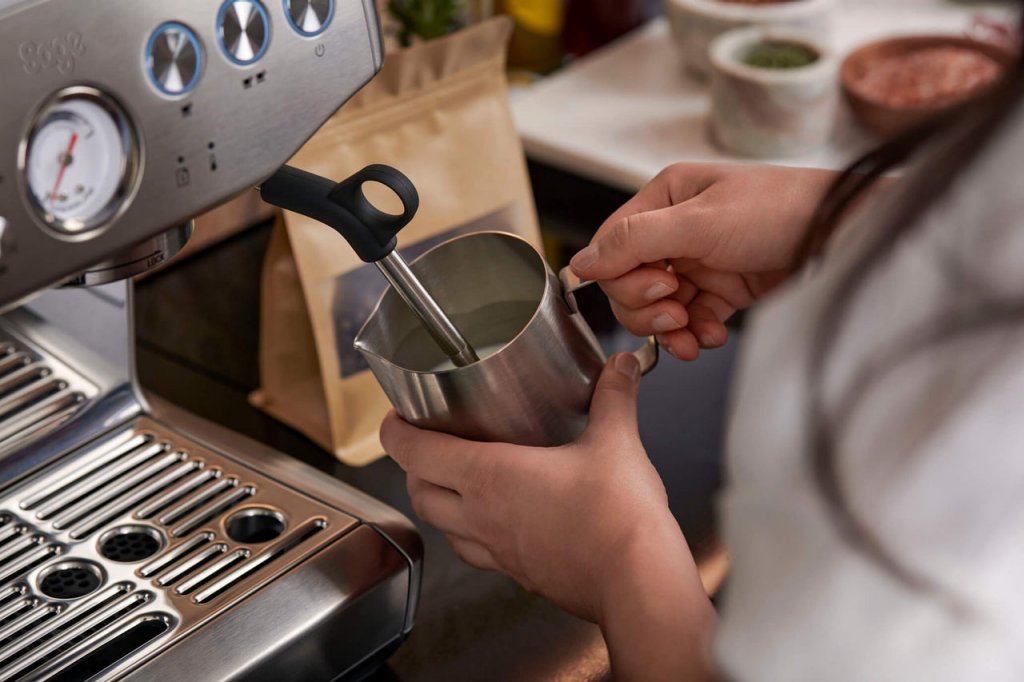
While the core engineering and design are identical, some minor cosmetic differences or regional software tweaks might exist. From my experience, the user-friendly design of Breville machines often resonates well with beginners, offering clear visual cues that simplify the learning curve. Both brands stand firm as solid home espresso contenders, delivering reliable performance and consistently excellent coffee.
A Symphony of Engineering: How Espresso Machines Work
At its heart, an espresso machine is a marvel of hydromechanics, transforming ground coffee and water into that rich, concentrated shot we all adore. The magic happens through a precise interplay of pressure, temperature, and grind size. When you initiate a shot, a pump forces hot water through a bed of finely ground coffee at high pressure (ideally around 9 bars, though some older models may operate higher). This rapid, high-pressure extraction is what distinguishes espresso from other coffee brewing methods, creating its signature crema, body, and intense flavor.
Breville machines integrate several key components to achieve this. You have the pump, which generates the necessary pressure. Then there’s the heating system, a critical element for temperature stability. Breville models often feature either a Thermoblock heating system, which heats water on demand (like in the Barista Express), or the faster ThermoJet system (found in the Barista Pro and Oracle Touch), which reaches optimal brewing temperature in mere seconds. The portafilter holds your coffee grounds, and the steam wand is your tool for texturing milk into silky microfoam, essential for lattes and cappuccinos. Many popular Breville machines also come with an integrated grinder, streamlining your workflow and ensuring fresh grounds every time.
Finding Your Perfect Brew Partner: Popular Sage (Breville) Models
Breville offers a range of espresso machines, each designed to cater to different skill levels and preferences. Let’s explore some of the most popular models that have captured the hearts of home baristas.
The Barista Express: Your Entry into Craft Espresso
For many, the Breville Barista Express is the gateway to serious home espresso. It’s an all-in-one machine that truly embodies the spirit of a semi-automatic setup. What makes it so appealing? It comes with a built-in conical burr grinder, allowing you to grind fresh beans directly into the 54mm portafilter. The Barista Express uses a Thermoblock heating system, which takes about 30-40 seconds to warm up. While it might require a bit of trial and error to dial in your grind size and tamping pressure perfectly, this machine offers an intuitive experience for beginners looking to experiment and take control of their espresso-making. It’s an outstanding value for money, especially for those just dipping their toes into the home barista world. Older models typically extract at around 13-14 bars of pressure, and while it lacks a water tank sensor, it does offer a unique soft pre-infusion feature, allowing up to 60 seconds of low-pressure pre-wetting for a more rounded shot. Plus, it includes a manometer to monitor your extraction pressure, a great learning tool.
The Barista Pro: Speed and Precision Elevated
If you’re ready for a step up in speed and control, the Breville Barista Pro is a fantastic choice. This machine takes the best elements of the Barista Express and supercharges them. Its most notable upgrade is the ThermoJet heating system, which means you’re ready to pull a shot in a blistering 3 seconds. This is a game-changer for those busy mornings! The Barista Pro also boasts an improved steam wand with a four-hole tip, making milk frothing quicker and more powerful, allowing you to achieve silky microfoam for latte art more easily. It features an intuitive LCD display that provides real-time feedback, a water level sensor (solving a common complaint about the Express), and an upgraded grinder with stepless adjustment for finer control over your grind size. For the intermediate home barista, the Barista Pro offers a quicker workflow and enhanced precision, making it a joy to use daily.
The Barista Express Impress: Guided Brewing for Consistency
The Breville Barista Express Impress is a fascinating evolution, designed to bring more consistency to the manual espresso process. This model introduces an “Impress Puck System” with assisted tamping and intelligent dosing. It literally guides you to achieve a perfect puck every time, reducing the variability that often frustrates beginners. With 25 grind size settings and a focus on minimizing fuss and mess, the Impress aims to make achieving optimal extraction more accessible. It still uses a Thermoblock system similar to the original Barista Express, but the assisted features truly simplify the learning curve for consistent espresso shots.
The Oracle Touch & Bambino Plus: For Automation and Simplicity
Beyond these, Breville also offers machines like the Oracle Touch, which provides a near-fully automated experience from grinding to tamping to milk texturing, featuring dual ThermoJet heating and a 58mm commercial-size portafilter. On the other end of the spectrum is the compact Bambino Plus, an excellent option for those seeking a small footprint machine that still delivers excellent espresso and powerful automatic milk frothing, often praised for its ability to extract at a consistent 9 bars of pressure.
From Bean to Bliss: A Step-by-Step Guide to Perfect Espresso
Making great espresso is an art and a science, but with your Breville machine, it’s an enjoyable journey. Here’s how to master the process:
Selecting Your Beans: The Foundation of Flavor
The most crucial ingredient is, without a doubt, your coffee beans. Always opt for freshly roasted, high-quality beans. Look for a “roasted on” date, not just a “best by” date; ideally, your beans should be no older than 1-2 months for optimal flavor and crema. Different roasts will yield different results, so don’t be afraid to experiment with your favorite local roasters.
Grinding & Dosing: The Heart of the Shot
Before you even touch the grind settings, remember to preheat your machine and portafilter. You can do this by running a blank shot of hot water through the group head and into the portafilter while it’s locked in.
- Grind Size: This is arguably the most critical variable. For Breville machines, you’ll want a fine grind, but not powdery. For the Barista Express, a starting point of around setting 5-7 is often recommended. For the Barista Express Impress, try starting at 16. If your shot extracts too quickly, go finer; if too slowly, go coarser.
- Dosing: Use a scale for consistency. For a double espresso, aim for 16-18 grams of coffee beans. Grind directly into your portafilter.
- Tamping: After grinding, distribute the grounds evenly in the portafilter (a WDT tool can help here). Then, tamp with firm, even pressure to create a level, compact coffee bed. Breville often includes its “Razor” dose trimming tool to help you achieve the correct level after tamping.
“Getting the grind just right is like hitting the sweet spot on a guitar – it transforms the raw potential of the bean into a harmonious melody of flavors. Consistency here is key to a truly enjoyable shot.” – Liam O’Connell, Master Barista.
The Art of Extraction: Pulling the Perfect Shot
With your perfectly prepped portafilter, it’s time for the main event.
- Lock and Brew: Securely lock the portafilter into the group head. Place your cup and a scale underneath, and tare the scale to zero.
- Extraction: Press the double shot button. Most Breville machines will engage a low-pressure pre-infusion before ramping up to full pressure.
- Timing and Yield: The golden rule for a double shot is to aim for a 1:2 ratio (e.g., 36 grams of espresso from 18 grams of coffee) extracted within 20-30 seconds. If your shot is too fast or slow, adjust your grind size. You can stop the extraction manually by pressing the button again once your desired volume or weight is reached.
Masterful Milk Steaming: Crafting Silky Microfoam
A great espresso often finds its perfect partner in beautifully textured milk.
- Purge: Before steaming, always purge the steam wand to clear any condensed water.
- Position: Fill your milk jug with cold milk to just below the spout. Insert the steam wand tip just below the milk’s surface, slightly off-center.
- Stretch and Incorporate: Turn on the steam. You should hear a gentle hissing sound as the milk “stretches,” incorporating air. As the volume increases, lower the jug slightly to incorporate the air more evenly into the milk, creating a vortex. Continue until the jug is too hot to comfortably hold – usually around 140-150°F (60-65°C).
- Clean Up: Immediately wipe the steam wand with a damp cloth and purge it again to prevent milk from drying inside.
- Pour: Swirl the milk in the jug to achieve a smooth, glossy consistency before pouring your desired latte art.
“A clean steam wand isn’t just about hygiene; it’s about maintaining optimal performance and preventing blockages. Treat your wand with care, and it will reward you with perfect microfoam every time.” – Dr. Clara Beaumont, Espresso Machine Engineer.
Nurturing Your Machine: Maintenance and Care
Like any high-performance appliance, your Breville espresso machine thrives with regular care. This isn’t just about extending its lifespan; it’s about ensuring every cup tastes its best.
- Daily Cleaning: After each use, empty and clean the drip tray. Wipe down the group head and portafilter to remove any coffee residue. Always clean and purge your steam wand immediately after use.
- Back-Flushing: Regularly perform a back-flush with a cleaning tablet to clear coffee oils from the group head. Your machine’s manual will provide specific instructions for this process.
- Descaling: Over time, mineral deposits from water can build up. Descale your machine as recommended by the manufacturer, typically every 2-3 months depending on your water hardness. This usually involves running a descaling solution through the machine.
- Water Filter: Use the water filter provided in your water tank and replace it regularly. This helps prevent scale buildup and improves coffee taste. Always use cold, filtered water in your tank, avoiding highly filtered or distilled water as it can affect taste and machine function.
Making the Smart Choice: Tips for Buying Your Sage (Breville) Espresso Machine
Choosing the right Breville machine depends on your personal needs, skill level, and budget.
- Skill Level: Are you a complete beginner who wants some assistance, or do you crave full manual control? The Barista Express is excellent for hands-on learning, while the Barista Pro offers more refinement. If you want maximum automation, consider the Oracle Touch.
- Budget: Breville machines range in price, with entry-level models offering fantastic value and higher-end machines providing more automated features and commercial-grade components.
- Counter Space: Consider the footprint of the machine. The Bambino Plus is compact, while others like the Oracle Touch will take up more room.
- Desired Features: Do you want an integrated grinder, or do you prefer a separate one? How quickly do you need your morning coffee (ThermoJet vs. Thermoblock)? Do you prioritize automated milk frothing or enjoy the art of manual steaming?
FAQs: Your Burning Questions Answered
Is Sage the same as Breville?
Yes, absolutely! Sage is simply the brand name used for Breville’s appliances in the UK and European markets, while Breville is used in North America, Australia, and other regions. They are produced by the same parent company and are essentially the same machines with minor regional branding and cosmetic differences.
How often should I clean my Sage (Breville) espresso machine?
For optimal performance and taste, daily cleaning of the drip tray, portafilter, and steam wand is recommended. Back-flushing with a cleaning tablet should be done every few weeks, and descaling every 2-3 months, depending on your water hardness and usage frequency. Regularly replacing the water filter is also crucial.
What’s the best grind setting to start with on a Sage (Breville) espresso machine?
A good starting point for the integrated grinder on a Breville Barista Express is often between setting 5 and 7. For the Barista Express Impress, try around 16. However, the “best” setting will vary based on your specific beans (roast, age), so you’ll need to adjust finer if your espresso extracts too quickly, and coarser if it extracts too slowly.
Can I use pre-ground coffee in my Sage (Breville) espresso machine?
While technically possible with dual-wall (pressurized) filter baskets often included, for the best results, it’s highly recommended to use fresh, whole beans and grind them just before extraction. Pre-ground coffee loses its freshness and aromatics very quickly, and its grind size is rarely ideal for espresso, leading to subpar extractions.
How long do Sage (Breville) espresso machines typically last?
With proper care and maintenance, Breville espresso machines are known for their durability and can last many years. Regular cleaning, descaling, and addressing any minor issues promptly will significantly extend the lifespan of your machine. My personal experience and that of countless home baristas confirm their robust build quality.
Your Espresso Journey Begins (or Continues)!
The world of home espresso with a Sage (Breville) machine is an incredibly rewarding one. These machines are designed not just to make coffee, but to invite you into the craft, offering the tools to explore and refine your passion for espresso. From the tactile experience of grinding fresh beans to the visual spectacle of a perfectly pulled shot and the artistic flourish of latte art, every step is a discovery. So, embrace the journey, experiment with different beans and techniques, and don’t be afraid to tweak those settings. With a bit of practice and these insights, you’ll be consistently crafting café-quality espresso that rivals your favorite coffee shop, elevating your home coffee culture one perfect cup at a time.