Welcome, fellow coffee enthusiasts! With over 15 years immersed in the intricate world of espresso machines, from the humblest home setup to the most demanding commercial powerhouses, I’ve seen it all. Here at “Espresso,” America’s leading platform for espresso machine insights and reviews, my mission is to demystify the Professional Espresso Machine, transforming complex mechanics into approachable knowledge. If you’re looking to elevate your coffee game, whether for a bustling cafe or a truly dedicated home setup, understanding the heart of espresso production is your first step. A truly professional espresso machine isn’t just a piece of equipment; it’s the cornerstone of exceptional coffee, engineered for precision, consistency, and endurance, day in and day out.
What Makes an Espresso Machine “Professional”?
What truly sets a professional espresso machine apart from its home-brewing cousins? It boils down to a few critical factors: unwavering durability, unparalleled consistency, and the sheer capacity for high-volume output. These machines are built to withstand the relentless pace of commercial environments, where hundreds of shots might be pulled daily, demanding components that won’t falter under pressure.
Durability and Build Quality
Think heavy-duty stainless steel, commercial-grade brass, and robust internal plumbing. Professional machines are constructed like tanks, designed for years of continuous operation, not just occasional use. This robust construction ensures longevity and reliability, crucial for any business or serious enthusiast.
Consistency and Precision
Every single shot must be a masterpiece. Professional machines offer advanced temperature stability (often via PID controllers) and precise pressure delivery, allowing baristas to dial in and replicate that perfect extraction repeatedly. This consistency is paramount for maintaining beverage quality across shifts and different baristas.
Volume and Speed
The ability to produce numerous high-quality drinks back-to-back without a drop in performance is a hallmark of a professional machine. This often involves larger boilers, higher wattage heating elements, and multiple group heads, allowing several baristas to work simultaneously and keep up with demand. Many models can comfortably handle hundreds of coffees per day, with some even exceeding 400 daily servings.
A Journey Through Time: The Evolution of Professional Espresso Machines
The history of the espresso machine is a fascinating tale of innovation, driven by the quest for the perfect cup. From the early 20th century, when machines used steam pressure to push water through coffee, to the introduction of the spring-piston lever system in 1947 by Achille Gaggia, which first achieved the now-iconic “crema,” the journey has been remarkable. Each iteration has aimed for greater control, consistency, and efficiency, culminating in the sophisticated professional espresso machines we see today. The shift from purely manual operation to semi-automatic, then automatic, and finally super-automatic systems reflects a continuous drive to optimize the brewing process and enhance the barista’s workflow.
Types of Professional Espresso Machines: Finding Your Match
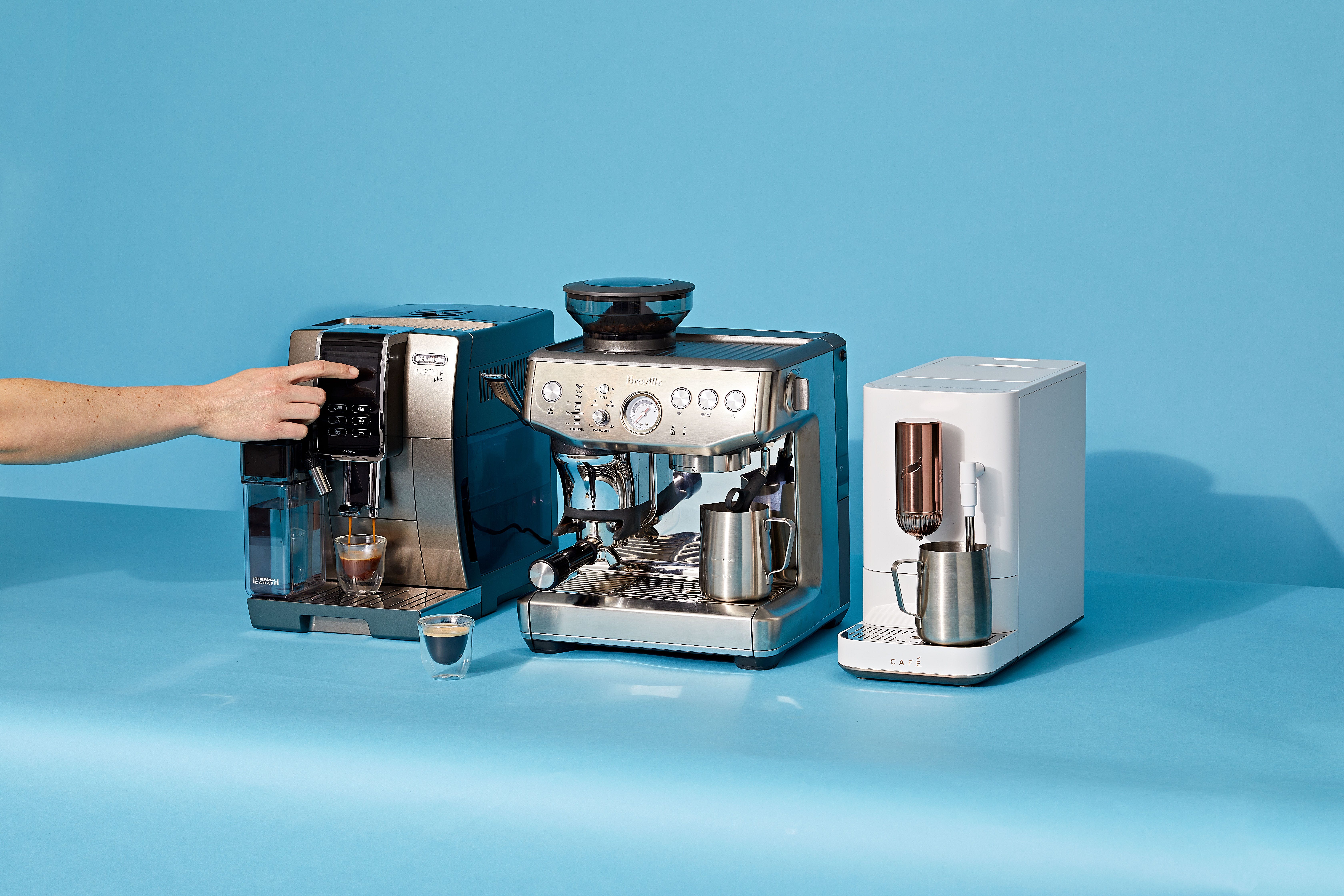
Navigating the various types of professional espresso machines can feel like a deep dive into coffee jargon, but it’s simpler than you think. Each type offers a different level of automation and control, catering to diverse operational needs and barista skill levels.
Semi-Automatic Machines
These are the darlings of specialty coffee shops, offering baristas the most control over variables like grind size, dose, tamp, and extraction time. While the machine handles the water pressure via a pump, the barista starts and stops the shot manually, allowing for nuanced adjustments based on the coffee. This hands-on approach is often favored for achieving the highest-quality flavor and is surprisingly affordable compared to more automated options.
Automatic (Volumetric) Machines
Taking a step beyond semi-automatics, automatic machines automate the extraction time or water volume. Baristas simply press a button, and the machine delivers a pre-programmed amount of water for a consistent shot. This reduces human error and allows baristas to multitask, steaming milk or preparing other orders while the shot pulls. They don’t typically grind or tamp but excel in consistency, making them ideal for busy cafes.
Super-Automatic Machines
The ultimate in convenience, super-automatic machines are “bean-to-cup” marvels. They feature built-in grinders and often auto-frothing programs, handling everything from grinding and tamping to brewing and sometimes even steaming milk with the touch of a button. While they offer unparalleled ease of use and consistency, the barista has little to no control over the brewing process, and they tend to be the most expensive option. They’re excellent for high-volume, quick-service environments where consistency without extensive barista training is key.
Manual/Lever Machines
While less common in modern commercial settings due to the significant skill and attention they require, manual or lever machines hold a special place for their traditional design and the rich, nuanced shots they can produce. These machines require the barista to manually pull a lever to generate brewing pressure, offering ultimate control but also demanding more effort and expertise.
Under the Hood: Key Components and How They Work
A professional espresso machine is a symphony of engineering, where each component plays a vital role in delivering that perfect shot. Understanding these elements is key to appreciating their capabilities.
Boiler Systems: Heat Exchanger, Dual Boiler, Multi-Boiler
The boiler is the heart of any espresso machine, heating the water for brewing and steam.
- Heat Exchanger (HX) Machines: These use a single boiler where water for brewing passes through a coiled pipe, heating it to a cooler temperature than the superheated water used for steam. This allows for simultaneous brewing and steaming, offering good value and reliable temperature control for low-to-medium volume locations (up to 150 coffees per day).
- Dual Boiler (DB) Machines: Featuring two independent boilers – one for brewing and one for steam – DB machines offer superior temperature stability and accuracy for espresso extraction. The brew boiler can maintain a precise temperature without being affected by steam production, making them ideal for exceptional espresso. They offer high build quality and are feature-rich, though at a higher cost.
- Multi-Boiler (MB) Machines: The pinnacle of precision, MB machines take dual boilers a step further by providing a dedicated boiler for each individual group head, in addition to a service boiler for steam and hot water. This allows baristas to set different brewing temperatures for each group, catering to various coffee types or extraction profiles with extreme accuracy and zero compromise.
The Power Behind the Shot: Pumps and Pressure
Espresso requires specific pressure, typically around 9 bars, to force water through the compacted coffee grounds. Professional machines utilize powerful rotary pumps to deliver this consistent pressure, which is crucial for optimal extraction. These pumps are designed for continuous operation and quiet performance, a stark contrast to the vibratory pumps often found in home machines.
Precision Temperature Control: The Role of PID
A Proportional, Integral, Derivative (PID) controller is a digital thermostat that precisely regulates the temperature of the brew water. For specialty coffee, a PID is considered essential, allowing baristas to fine-tune extraction temperatures to suit different coffees and bring out their best flavors. Many dual and multi-boiler machines come equipped with PIDs, often with accessible front-panel controls.
Group Heads and Their Impact
The group head is where the magic happens – hot water meets the coffee grounds in the portafilter. Professional machines can have one to four (or more) group heads, determining their maximum output. High-quality group heads ensure thermal stability, meaning the water temperature remains consistent as it enters the coffee puck, which is vital for consistent extraction. Many commercial machines use a standard 58mm portafilter size, which allows for broader accessory compatibility.
Steam Wands: Crafting Velvety Milk
A robust steam wand is indispensable for producing the velvety microfoam required for lattes and cappuccinos. Professional machines feature powerful steam wands with ample pressure, capable of frothing milk quickly and consistently, often in less than 20 seconds. Some advanced models even feature cool-touch or auto-steam wands for enhanced safety and efficiency.
The Art of Extraction: Brewing a Perfect Espresso on a Professional Machine
Even the most advanced machine needs a skilled hand. Mastering the art of espresso involves a precise dance of variables.
Grind, Dose, Tamp: The Foundation
This trinity is fundamental. The grind size must be perfectly dialed in – too coarse, and your shot will be under-extracted and weak; too fine, and it will be over-extracted and bitter. The dose, or the amount of ground coffee, must be consistent, typically measured in grams. Finally, the tamp compresses the grounds evenly, creating a consistent puck for water to flow through. A professional-grade grinder is just as vital as the espresso machine itself for achieving this consistency.
Pre-Infusion and Extraction: The Science of Flavor
Pre-infusion is a gentle, low-pressure wetting of the coffee puck before full brewing pressure is applied. This helps to saturate the grounds evenly, reducing channeling and promoting a more consistent, flavorful extraction. During extraction, the machine applies high pressure, forcing hot water through the coffee bed to dissolve soluble solids, fats, and gases, creating that rich, aromatic espresso. Precision control over these stages is a hallmark of truly professional machines.
Beyond Espresso: Mastering Milk Steaming
Perfect espresso is often paired with perfectly steamed milk. A professional machine’s powerful steam wand allows for the creation of silky, smooth microfoam, essential for classic milk-based drinks and the canvas for latte art. The technique involves introducing air into the milk, then heating and swirling it to achieve the desired texture and temperature.
Keeping Your Professional Espresso Machine in Top Shape
Maintaining your professional espresso machine is as crucial as operating it correctly. Regular care ensures longevity, consistent performance, and, most importantly, delicious coffee.
Daily Cleaning Rituals
After each use, backflushing the group heads, wiping down the steam wands, and emptying/cleaning the drip tray are essential. This prevents coffee oils and milk residue from building up, which can affect taste and lead to blockages. As veteran barista Mike Chen often says, “A clean machine isn’t just about hygiene; it’s about respect for the craft and the customer.”
Regular Descaling for Longevity
Minerals in water can build up as “scale” within the boiler and water lines, hindering performance and potentially damaging components. Depending on your water quality and usage, descaling should be performed every 3 to 6 months. Using a water filtration system can significantly reduce scale buildup, extending the intervals between descaling and the life of your machine.
When to Call a Pro: Maintenance and Servicing
While daily and regular cleaning can be done in-house, professional espresso machines benefit from periodic servicing by qualified technicians. This can include checking seals, replacing worn parts, inspecting electrical components, and recalibrating pressure. Many commercial machines are built to last 7-10 years, or even longer, with proper care and servicing.
Choosing Your Ideal Professional Espresso Machine
Selecting the right professional espresso machine is a significant investment. Consider these factors carefully to ensure you choose a workhorse that meets your specific needs.
Volume Output and Business Needs
This is perhaps the most critical factor. A single-group heat exchanger might suffice for a low-volume cafe or kiosk (under 150 coffees/day), while a busy coffee shop with high foot traffic will likely need a multi-boiler machine with multiple group heads, capable of producing 350-400+ coffees per day.
Budget Considerations
Professional espresso machines can range widely in price, from around $5,000 for entry-level models to $30,000 or more for high-end, multi-group machines. Determine your budget early, but remember that a higher upfront cost often translates to better durability, features, and consistency, which can save money in the long run.
Features and Customization
Consider what features are important to your operation: programmable dosing, pressure profiling, pre-infusion, automatic cleaning cycles, cool-touch or auto-steam wands, and built-in scales for brew-by-weight functions. More advanced features offer greater control and convenience but also add to the cost and complexity.
Brand Reputation and Support
Invest in a brand with a proven track record for quality, reliability, and excellent customer support. Leading brands like La Marzocco, Nuova Simonelli, Slayer, Rocket Espresso, Sanremo, and Victoria Arduino are renowned for their robust machines and readily available parts and service.
Direct Connect vs. Pourover
- Direct Connect: These machines are plumbed directly into a water line, providing a constant water supply. Ideal for high-volume operations, they require professional installation but eliminate the need for manual refilling.
- Pourover: Featuring a built-in water reservoir, these machines are more compact and don’t require plumbing. They’re suitable for lower-volume settings or mobile setups, but the reservoir needs regular refilling and descaling may be more frequent.
Leading Brands in the Professional Espresso Machine Market
The world of professional espresso machines is graced by several iconic brands, each with a legacy of innovation and quality.
- La Marzocco: Hailing from Florence, Italy, La Marzocco is synonymous with high-performance and iconic design, favored by specialty coffee shops worldwide. Models like the Linea Classic and Linea PB are industry benchmarks.
- Nuova Simonelli: Another Italian powerhouse, known for robust and user-friendly machines like the Appia Life series, offering excellent value and reliability.
- Slayer: A Seattle-based brand, renowned for its innovative pressure profiling technology, catering to baristas who demand ultimate control over extraction.
- Rocket Espresso: Combining sleek Italian aesthetics with high-end performance, Rocket offers a range of machines popular in both commercial and prosumer settings.
- Sanremo: Offers a diverse lineup, from compact heat exchangers to multi-boiler systems, often praised for their ergonomic design and efficiency in high-volume environments.
- Victoria Arduino: Known for elegant design and cutting-edge technology, including the revered Black Eagle series, a favorite on the competition circuit.
Frequently Asked Questions About Professional Espresso Machines
Q: How much does a professional espresso machine cost?
A: Professional espresso machines typically range from $5,000 to $30,000, depending on features, brand, number of group heads, and level of automation.
Q: How long do professional espresso machines last?
A: With proper maintenance and regular servicing, a professional espresso machine can last 7 to 10 years, or even longer, enduring daily heavy use in a commercial setting.
Q: Can I use a professional espresso machine at home?
A: Absolutely! Many dedicated home baristas choose compact professional-grade machines for their superior performance, durability, and control. However, be mindful of power requirements, plumbing needs, and the larger footprint.
Q: What’s the difference between heat exchanger and dual boiler systems?
A: A heat exchanger (HX) uses a single boiler to heat water for both brewing and steaming, allowing simultaneous function. A dual boiler (DB) system has two separate boilers, one for brewing and one for steaming, offering superior temperature stability for espresso extraction and consistent steam pressure without affecting brew temperature.
Q: Why is a consistent grind so important for professional espresso?
A: A consistent grind is crucial because it allows water to flow evenly through the coffee puck, ensuring uniform extraction of flavors. Inconsistent grinds lead to channeling (water finds paths of least resistance), resulting in under-extracted sourness or over-extracted bitterness in your espresso.
Elevating Your Espresso Game
Embracing the world of professional espresso machines is about more than just making coffee; it’s about mastering a craft, understanding a complex piece of engineering, and ultimately, delivering an unparalleled coffee experience. Whether you’re a cafe owner aiming for consistency or a home enthusiast pushing the boundaries of your brewing, a professional espresso machine offers the tools to achieve exceptional results. Don’t just make coffee; craft an experience, one perfectly pulled shot at a time. The journey to espresso excellence is a continuous one, filled with learning, experimentation, and the joy of a truly great cup.