For over 15 years, I’ve had the distinct pleasure of navigating the intricate world of espresso machines, witnessing countless innovations and helping countless home baristas achieve their coffee dreams. As the lead content creator for “Espresso,” the premier platform for espresso machine knowledge and reviews in the US, I’ve seen many brands enter the arena, but few marry iconic design with robust functionality quite like the Kitchenaid Espresso Machine. It’s more than just an appliance; it’s an invitation to elevate your daily ritual, transforming your kitchen counter into a personal café. Whether you’re a seasoned coffee connoisseur or just beginning your espresso journey, understanding what makes these machines tick is the first step to crafting that perfect shot.
A Rich History: Tracing the Espresso Machine’s Evolution
The story of the espresso machine began in Italy over a century ago, born from a desire for faster coffee brewing. Early machines were monstrous, steam-driven behemoths. Over decades, innovation brought us piston-driven systems, then pump-driven designs, each step refining the extraction process and enhancing flavor. While KitchenAid is primarily known for its stand mixers, their venture into espresso machines brought their signature blend of timeless aesthetics and user-friendly design to the coffee world. They embraced the modern home barista’s need for both performance and visual appeal, carving out a unique niche with their durable and elegant KitchenAid espresso machine offerings.
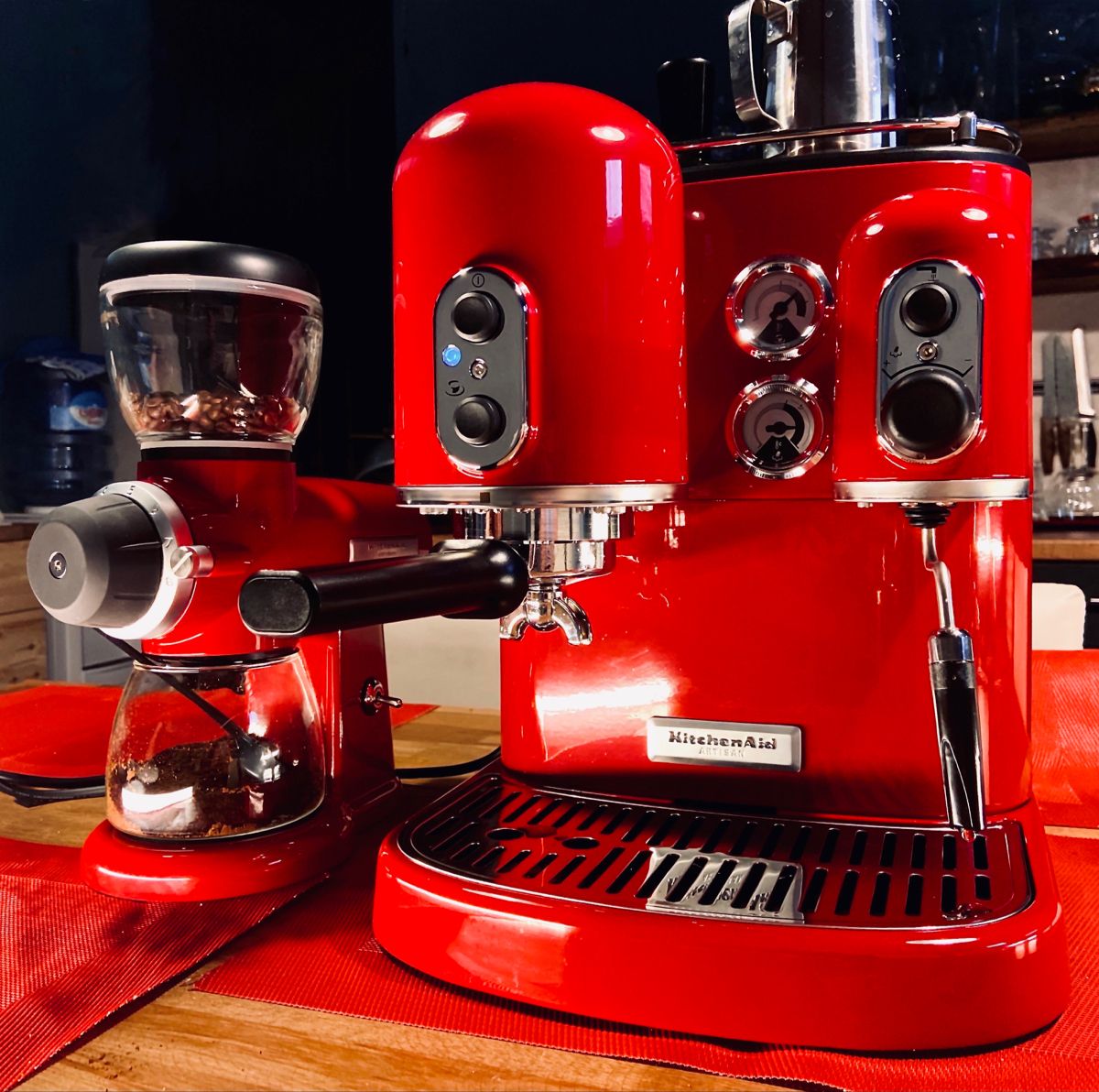
What Types of Espresso Machines Does KitchenAid Offer?
KitchenAid primarily focuses on semi-automatic espresso machines, a sweet spot for many home users.
The Semi-Automatic Advantage
What exactly is a semi-automatic espresso machine? Simply put, it’s a machine that gives you control over the espresso shot’s volume and timing, while the machine handles the pressure and temperature. This means you manually start and stop the shot, allowing for a personalized touch. KitchenAid’s models, like the Artisan or the more advanced Pro Line, embody this philosophy, providing consistent performance while encouraging user involvement in the brewing process. This balance is often cited as a key benefit, allowing users to experiment and grow their barista skills.
Inside Your KitchenAid Espresso Machine: How It Works
At its core, every KitchenAid espresso machine relies on a few fundamental principles: precise temperature, consistent pressure, and fresh coffee.
The Heart of the Machine: Boiler and Pump
Inside, you’ll find a powerful pump that forces hot water through finely ground coffee at approximately 9 bars of pressure. This high pressure is crucial for extracting the rich crema and complex flavors that define espresso. The water heating element, often a thermocoil or a smaller boiler, ensures the water reaches the ideal brewing temperature, typically between 195°F and 205°F (90°C to 96°C). Temperature stability is paramount, as even slight fluctuations can significantly impact your shot quality.
Key Components You’ll Interact With
- Portafilter: This is where your ground coffee goes. KitchenAid models typically use commercial-style 58mm portafilters, a standard size favored by many professionals.
- Steam Wand: Essential for frothing milk for lattes and cappuccinos. KitchenAid’s steam wands are designed to produce powerful, consistent steam, allowing you to achieve silky microfoam.
- Water Reservoir: A removable tank for easy refilling.
- Drip Tray: Catches any drips and splashes, keeping your counter clean.
- Pressure Gauge: Many KitchenAid models feature a gauge to monitor the pressure during extraction, helping you diagnose and perfect your shot.
Mastering Your KitchenAid Espresso Machine: A Step-by-Step Guide
Getting started with your KitchenAid espresso machine is straightforward, but mastering it takes practice.
Step-by-Step Espresso Brewing
- Fill the Water Reservoir: Use filtered water for the best taste and to prevent mineral buildup.
- Turn On and Heat Up: Allow the machine to fully preheat. This typically takes a few minutes, but patience is rewarded with better temperature stability.
- Grind Your Beans: This is perhaps the most critical step. “You can’t make great espresso with pre-ground coffee,” advises Sophia Rodriguez, a 10-year veteran barista and coffee educator. “A burr grinder is non-negotiable for consistent, fine grounds.” Aim for a consistency like powdered sugar or fine sand.
- Dose and Tamp: Place the appropriate amount of ground coffee (typically 18-20 grams for a double shot) into your portafilter. Distribute it evenly, then tamp firmly and level with consistent pressure.
- Insert Portafilter: Securely lock the portafilter into the group head.
- Start Extraction: Press the brew button. Observe the shot – it should flow like warm honey, producing a rich, reddish-brown crema.
- Stop Extraction: Stop the shot when you reach your desired volume (typically 1.5-2 ounces for a double shot) or after about 25-30 seconds.
- Enjoy: Serve immediately!
Tips for Perfect Espresso
- Fresh Beans are Key: Always use freshly roasted coffee beans, ideally within 2-3 weeks of the roast date.
- Grind Size is Gold: Adjust your grind size if your shot is too fast (grind finer) or too slow (grind coarser).
- Consistent Tamping: Uneven tamping leads to channeling, where water finds an easy path through the coffee, resulting in under-extracted, weak espresso.
- Preheat Your Cups: A cold cup will rapidly cool your espresso, diminishing its flavor.
Essential Maintenance for Your KitchenAid Espresso Machine
Proper care ensures your machine lasts for years and continues to produce excellent espresso.
Daily and Weekly Cleaning
- After Each Use: Knock out the puck, rinse the portafilter, and wipe down the steam wand immediately after frothing milk.
- Backflushing: Periodically backflush your machine with a blind portafilter basket and a specialized cleaning tablet to remove coffee oils from the group head. Check your manual for frequency.
- Weekly Cleaning: Clean the drip tray, water reservoir, and wipe down the exterior.
Descaling Your Machine
Hard water can leave mineral deposits that clog internal components and affect performance. Descaling should be done regularly, typically every 2-3 months depending on your water hardness. Use a dedicated descaling solution designed for espresso machines. “Neglecting descaling is one of the quickest ways to shorten your machine’s lifespan and degrade coffee quality,” warns David Chen, a certified espresso machine technician with over 20 years of experience.
|
Our Picks for the Best Espresso Machine in 2026
As an Amazon Associate I earn from qualifying purchases.
|
||
| Num | Product | Action |
|---|---|---|
| 1 | Espresso Machine 20 Bar, Compact Espresso Maker, Stainless Steel Expresso Coffee Machines with Steam Milk Frother & 34oz Removable Water Tank for Home Latte, Cappuccino, Silver |

|
| 2 | Cheffman Barista Pro Espresso Machine With Milk Frother, Home Professional Coffee Maker For Lattes, Cappuccinos & Espresso Drinks – Compact Countertop Design |
|
| 3 | Nespresso Vertuo Plus Coffee and Espresso Maker by Breville, Ink Black |
|
| 4 | Nespresso Vertuo Pop+ Coffee and Espresso Maker by Breville, Coconut White |
|
| 5 | De\\\'Longhi Nespresso Vertuo Plus Coffee and Espresso Maker by De\\\'Longhi, Grey |
|
| 6 | Breville Barista Express Espresso Machine BES870XL, Brushed Stainless Steel |
|
| 7 | Frigidaire Steam Espresso Maker, Coffee Machine with Milk Frother & Cup Warmer, 20 Bar Pressure, 34 oz Removable Water Tank, Single or Double Shot, Stainless Steel |
|
| 8 | Breville Bambino Espresso Machine BES450BSS, Brushed Stainless Steel |
|
| 9 | CASABREWS CM5418 Espresso Machine 20 Bar, Compact Espresso Maker with Steam Milk Frother, Stainless Steel Coffee Machine with 34oz Removable Water Tank for Cappuccino, Gift for Women or Men, Silver |
|
| 10 | Breville Barista Express Espresso Machine BES870BSXL, Black Sesame |
|
Choosing the Right KitchenAid Espresso Machine for Your Home
When considering a KitchenAid espresso machine, think about your specific needs.
What to Look For
- Built-in Grinder: Some models, like the KitchenAid Semi-Automatic Espresso Machine with Grinder, offer the convenience of an integrated burr grinder, streamlining your workflow.
- Boiler System: While KitchenAid typically uses thermocoil heating for quick heat-up, understanding this helps manage expectations for steaming and brewing simultaneously.
- Durability and Materials: KitchenAid is renowned for its robust construction, often using durable die-cast metal components that contribute to both longevity and a premium feel.
- Design: KitchenAid machines boast a signature aesthetic that blends seamlessly into various kitchen decors, often available in a range of colors.
Comparing KitchenAid to Other Brands
While KitchenAid offers excellent value and aesthetics, other brands like Breville, Gaggia, and Rancilio also compete in the home semi-automatic market. KitchenAid often stands out for its iconic design and user-friendly interface, making it an attractive option for those who prioritize both form and function. When comparing, consider not just price, but also ease of use, steam power, available features, and overall build quality.
Frequently Asked Questions About KitchenAid Espresso Machines
How do I troubleshoot common issues with my KitchenAid espresso machine?
Many issues can be resolved by checking the water level, cleaning the portafilter and group head, ensuring the coffee grind is correct, and descaling the machine. If issues persist, consult your user manual or KitchenAid customer support.
Can I use pre-ground coffee in my KitchenAid espresso machine?
While technically possible, for optimal results, it is highly recommended to use freshly ground whole beans. Pre-ground coffee loses freshness quickly and often isn’t the ideal grind size for espresso extraction, leading to sub-par shots.
What is the ideal grind size for a KitchenAid espresso machine?
The ideal grind size is very fine, similar to powdered sugar or fine sand. It should be fine enough to offer resistance to the water, resulting in a slow, controlled extraction, but not so fine that it chokes the machine.
How often should I descale my KitchenAid espresso machine?
The frequency of descaling depends on your water hardness and usage, but generally, it’s recommended every 2-3 months. If you use filtered water, you might extend this slightly, but regular descaling is crucial for machine longevity.
Where can I find parts or accessories for my KitchenAid espresso machine?
Parts and accessories can typically be found on the official KitchenAid website, through authorized dealers, or reputable online retailers specializing in coffee machine components.
The Final Sip: Embracing Your Home Barista Journey
Owning a KitchenAid espresso machine isn’t just about making coffee; it’s about embracing a lifestyle, a daily ritual that brings joy and craftsmanship into your home. From understanding its inner workings to mastering the subtle art of extraction, every step is a learning opportunity. I encourage you to experiment with different beans, grind settings, and milk frothing techniques. Share your creations, compare notes with fellow enthusiasts, and most importantly, savor every carefully crafted sip. Your journey to becoming a seasoned home barista with your KitchenAid machine has just begun, and the world of exquisite espresso awaits.