There’s a special magic in the aroma of freshly brewed coffee, a morning ritual that kickstarts countless American households. For many, the dream of crafting that perfect café-style espresso at home is a powerful one. Enter the Keurig Espresso Machine – a phrase that often sparks curiosity, convenience, and a healthy dose of debate among coffee enthusiasts. As someone who’s spent over 15 years knee-deep in espresso mechanics and flavor profiles, I’ve seen countless machines promise the moon, but few truly deliver that authentic espresso experience. So, let’s cut through the foam and get to the heart of the matter: Can your beloved Keurig truly pull a shot of genuine espresso?
The Essence of Espresso: What Makes It “True”?
Before we dive into the capabilities of any Keurig espresso machine, we need to understand what defines true espresso. It’s more than just strong coffee; it’s a meticulously crafted beverage, born from a precise scientific and artistic process. Real espresso is created when hot water, typically around 195-205°F (90-96°C), is forced through a tightly packed bed of finely ground coffee at high pressure – usually 9 bars or more. This intense pressure rapidly extracts concentrated flavors, aromatic oils, and solids, resulting in a small, potent shot. The hallmark of a well-pulled espresso is the crema – a beautiful, reddish-brown emulsion of coffee oils and gases that sits atop the shot. This velvety layer isn’t just for show; it’s a critical indicator of proper extraction, trapping volatile aromatics and contributing to the espresso’s rich mouthfeel and lingering finish. Without these elements – high pressure, fine grind, quick extraction, and real crema – you’re simply not making espresso, but rather a concentrated coffee.
The Keurig Universe: What is a Keurig “Espresso Machine”?
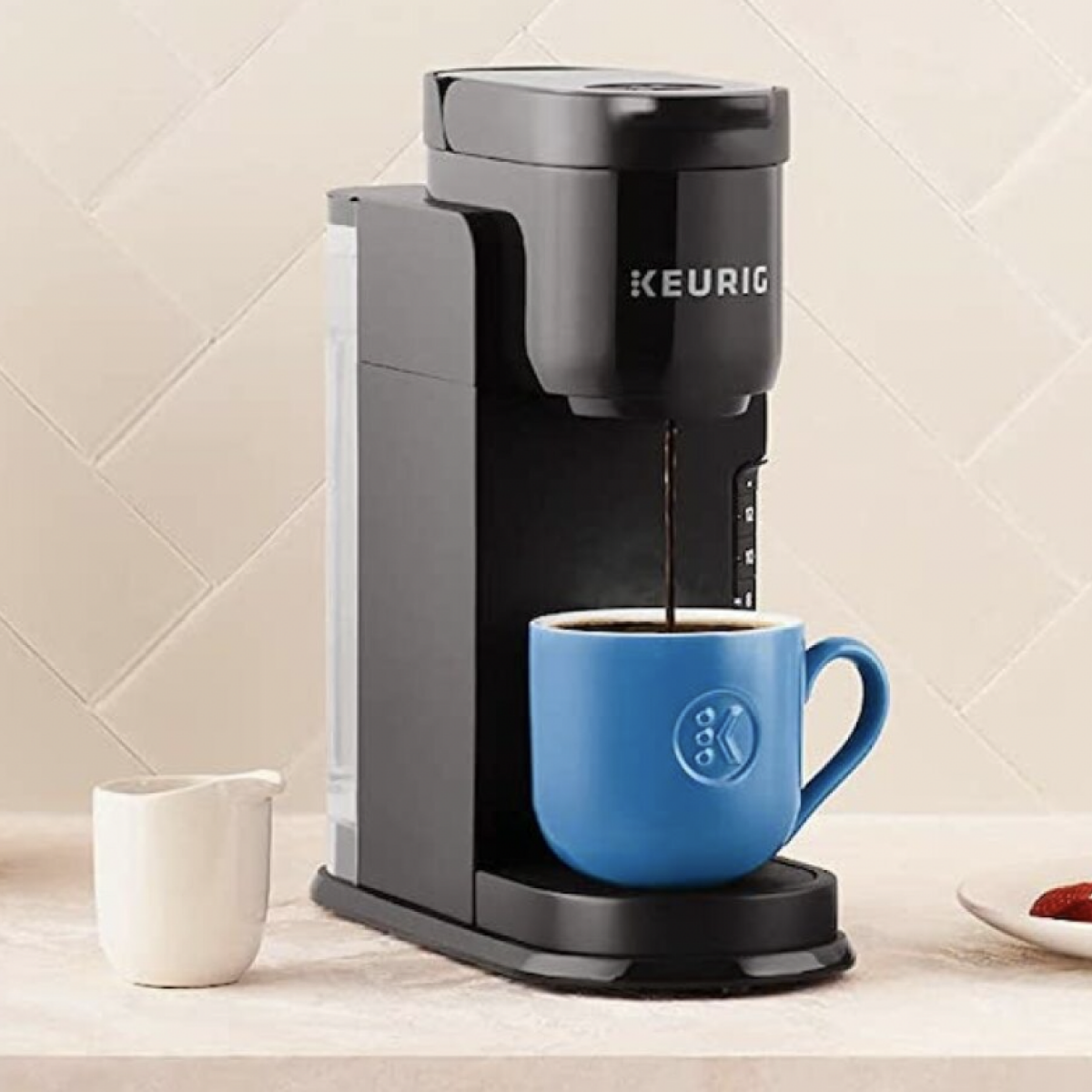
When people ask about a “Keurig espresso machine,” they’re often referring to specific Keurig models designed to create espresso-style beverages, not necessarily true espresso. Keurig’s core design revolves around convenience: brewing single servings of coffee from pre-portioned K-Cup pods using a drip-style method with relatively low pressure, typically 1-2 bars. This is a far cry from the 9+ bars required for authentic espresso.
However, Keurig has responded to the demand for café-style drinks with models like the Keurig K-Café and K-Café Barista Bar. These machines often feature a “Shot” or “Strong” button, which brews a more concentrated cup by reducing the water volume for a single K-Cup. Many also include a built-in milk frother, allowing users to make lattes and cappuccinos with frothed milk over their concentrated coffee shot. While these innovations certainly elevate the Keurig experience, it’s crucial to understand that these “espresso-style” drinks are a strong, bold coffee base, designed to mimic the intensity and serve as a foundation for milk-based beverages, rather than being true espresso shots themselves.
Keurig vs. Traditional Espresso: A Tale of Two Brews
Let’s lay it all out: the fundamental differences between a Keurig espresso machine and a traditional espresso maker are profound.
Brewing Pressure: The Game Changer
The most critical distinction lies in brewing pressure. A dedicated espresso machine uses powerful pumps to achieve the immense pressure needed to extract espresso’s complex flavors and oils in a short timeframe. A Keurig, by design, uses a much gentler, lower-pressure brewing cycle, akin to drip coffee. This simply cannot replicate the vigorous extraction that defines authentic espresso.
The Crema Conundrum
One of the most noticeable differences is the crema. True espresso crema is thick, persistent, and full of micro-bubbles, forming a dense layer that tells a story of proper extraction. While some K-Cups, especially darker roasts brewed on the smallest setting, might produce a thin, bubbly foam, it dissipates quickly and lacks the body, elasticity, and aromatic retention of genuine crema. From my years observing countless shots, I can tell you that the crema from a true espresso machine is unmistakable and unparalleled.
Flavor and Intensity
A true espresso shot delivers an incredibly concentrated, complex flavor profile – a symphony of notes ranging from rich chocolate and caramel to bright fruit and subtle spice, all within a small sip. Keurig’s “espresso-style” coffee, while strong, tends to have a flatter flavor and less body. It’s a robust coffee, to be sure, but it doesn’t achieve the nuanced intensity or the velvety texture of its high-pressure counterpart.
Grind and Freshness
Traditional espresso demands freshly ground, finely milled coffee. Grinding beans just before brewing is paramount for flavor. K-Cups, by nature, contain pre-ground coffee that has been exposed to air, leading to a loss of freshness and volatile aromatics. While some K-Cups offer darker roasts or “espresso blends,” the pre-ground nature and the brewing method limit their ability to produce the dynamic range of flavors found in a freshly pulled shot.
Convenience vs. Craft
This is where Keurig shines. Pop in a pod, press a button, and you have a hot beverage in under a minute with minimal cleanup. A traditional espresso machine, on the other hand, is a craft. It involves grinding, tamping, precise extraction times, and thorough cleaning – a ritual that, for many, is part of the joy. It’s a trade-off between instant gratification and the pursuit of perfection.
Maximizing Your Keurig for Espresso-Style Beverages
So, your Keurig espresso machine might not make true espresso, but that doesn’t mean it can’t brew a mighty fine, concentrated coffee that serves as an excellent base for your favorite milk drinks! Here’s how to get the most “espresso-like” experience possible from your Keurig:
Choosing the Right Pods
- Opt for Dark Roasts: Darker roasted K-Cups, or those specifically labeled “espresso blend,” tend to have a bolder flavor that can stand up to milk. Brands like Starbucks, Lavazza, or Green Mountain offer options in this category.
- Consider Espresso-Style K-Cups: Some brands now market K-Cups specifically for “espresso-style” brewing. These are typically finely ground and darker roasted to produce a more concentrated brew.
Optimizing Brew Settings
- Smallest Cup Size is Key: This is perhaps the most crucial tip. Your Keurig’s smallest brew size (often 4 or 6 ounces, or a dedicated “Shot” button if your model has one) will result in the most concentrated coffee. Less water means a stronger brew, mimicking the intensity of an espresso shot, even if it lacks the pressure.
- Utilize the “Strong” Button: If your Keurig has a “Strong” brew option (like the K-Elite or K-Café), use it! This setting slows down the brewing process slightly, allowing for a more thorough extraction and a bolder cup.
Milk Frothing for Lattes and Cappuccinos
- Built-in Frothers: Models like the Keurig K-Café come with integrated milk frothers. These are incredibly convenient for heating and frothing milk for lattes and cappuccinos. While they typically produce a lighter, airier foam than a steam wand on a dedicated espresso machine, they’re perfectly adequate for delicious homemade beverages.
- External Frothers: If your Keurig doesn’t have a built-in frother, a standalone electric milk frother is a worthwhile investment. They’re easy to use and clean, allowing you to create creamy frothed milk for your espresso-style coffee.
Expert Tip
“From my 15 years in the industry, I’ve seen many innovations,” says Sarah Jenkins, lead content creator for Espresso.com. “While a Keurig won’t replace my commercial machine, using a reusable K-Cup with freshly ground, dark roast coffee, tamped lightly, and brewed on the smallest setting, can significantly elevate your at-home espresso-style experience. It gives you more control over the grind and freshness, which are critical, even at lower pressures.”
Is a Keurig Espresso Machine Right for You?
The decision to choose a Keurig espresso machine boils down to your personal priorities in the world of coffee.
Pros
- Unbeatable Convenience: For sheer speed and ease of use, Keurig is king. Pop a pod, press a button – done.
- Minimal Cleanup: No messy grounds or complicated parts to clean, making it perfect for busy mornings.
- Accessible Milk Drinks: Models like the K-Café make it incredibly easy to whip up latte and cappuccino-style drinks at home without a steep learning curve.
- Space-Saving: Generally more compact than many traditional espresso machines.
Cons
- Not True Espresso: The undeniable truth is that it cannot produce authentic, high-pressure espresso with rich crema.
- Limited Flavor Complexity: You won’t achieve the depth, nuance, and evolving flavor profile of a meticulously extracted espresso shot.
- K-Cup Cost: While convenient, K-Cups can be more expensive per serving than buying whole beans and grinding them yourself, especially over the long term.
Who it’s for
A Keurig espresso machine is an excellent choice for casual coffee drinkers, those who prioritize speed and convenience above all else, and individuals looking for an easy way to make espresso-like milk beverages at home without the commitment of a traditional machine. It’s a great entry point for exploring stronger coffee drinks.
Who it’s not for
Espresso purists, seasoned baristas, those who crave the ritual and craft of brewing, or anyone seeking the pinnacle of espresso flavor and crema will find a Keurig falls short. If your heart is set on cafe-quality shots, a dedicated espresso machine is the way to go.
Beyond Keurig: When to Invest in a Dedicated Espresso Machine
If the limitations of the Keurig espresso machine leave you craving more, it might be time to explore the world of true espresso makers. Investing in a dedicated machine opens up a universe of flavor and control.
When considering a traditional espresso machine, look for:
- Pump Pressure: Ensure it can deliver 9 bars of pressure.
- Boiler Type: Single, heat exchanger (HX), or dual boiler options offer different levels of temperature stability.
- Portafilter: Standard sizes (e.g., 58mm) allow for better extraction and accessory compatibility.
- Built-in Grinder: Many machines, especially semi-automatics, come with integrated grinders, which are essential for fresh grounds.
- Steam Wand: A powerful steam wand is crucial for creating silky, micro-foamed milk for lattes and cappuccinos.
There’s a wide spectrum, from entry-level semi-automatics that introduce you to the craft to professional-grade super-automatics that handle everything at the touch of a button. The right machine depends on your budget, your desire for control, and your commitment to the espresso journey.
FAQ: Your Keurig Espresso Machine Questions Answered
Q: Can I get true crema from a Keurig espresso machine?
A: No, a Keurig espresso machine cannot produce true, authentic crema. The lack of high pressure (9+ bars) prevents the formation of the dense, persistent emulsion of oils and gases that characterizes real crema. While you might see a thin, bubbly foam, it’s not the same.
Q: What’s the best Keurig model for making lattes and cappuccinos?
A: The Keurig K-Café and K-Café Barista Bar models are widely considered the best Keurig options for lattes and cappuccinos. They feature a “Shot” or “Strong” brew option for concentrated coffee and come with a built-in milk frother, making it easy to create milk-based drinks.
Q: Are Keurig “espresso pods” real espresso?
A: Keurig “espresso pods” are designed to brew a stronger, more concentrated coffee than regular K-Cups, often using darker roasts and finer grounds. However, due to the Keurig machine’s lower pressure brewing system, these pods produce an “espresso-style” coffee, not a genuine espresso shot.
Q: How much pressure does a Keurig machine use compared to a traditional espresso machine?
A: A typical Keurig machine operates at about 1-2 bars of pressure. In contrast, a traditional espresso machine requires at least 9 bars of pressure to extract true espresso. This significant difference is why Keurig cannot produce authentic espresso.
Q: Is it cheaper to make espresso with a Keurig or a traditional machine in the long run?
A: While a Keurig machine has a lower upfront cost, the recurring expense of K-Cup pods can make it more expensive in the long run, especially for frequent coffee drinkers. A traditional espresso machine, despite a higher initial investment, often proves more cost-effective over time when using bulk whole beans.
Q: Can I use regular coffee grounds in a reusable K-Cup to make espresso with my Keurig?
A: You can use finely ground regular coffee (preferably a dark roast) in a reusable K-Cup to make a strong, concentrated coffee with your Keurig. However, it will still not be true espresso due to the pressure limitations of the machine. It will, however, give you more control over the coffee’s freshness and grind size.
Conclusion
The journey to find the perfect cup of coffee is a personal one, filled with choices that balance convenience with craft. While the term “Keurig espresso machine” can be a bit of a misnomer, it points to a fascinating intersection where quick-serve technology meets the desire for café-style beverages. It’s clear that Keurig machines, even with their “shot” functions and frothers, cannot produce the true, high-pressure extracted espresso adorned with authentic crema that defines the art.
However, for those who value speed, simplicity, and a good base for their daily latte or cappuccino, a Keurig can be a fantastic tool. Understanding its capabilities and limitations is key to managing expectations and truly enjoying your brew. Whether you choose the push-button ease of a Keurig or embrace the meticulous craft of a traditional espresso machine, the goal remains the same: to savor a delicious cup that brings joy to your day. So, experiment, explore, and most importantly, enjoy every sip of your coffee journey!