Ah, the Italian Espresso Machine. Just the phrase conjures images of bustling Roman cafes, the rich aroma of freshly pulled shots, and baristas who move with an almost balletic grace. For over 15 years, I’ve had my hands on countless models, from venerable lever machines to the latest super-automatics, and I can tell you, there’s a unique magic that only an Italian machine brings to your coffee ritual. It’s not just about brewing coffee; it’s about channeling centuries of passion, innovation, and a relentless pursuit of perfection into every single cup. And here at “Espresso,” we’re all about helping you uncork that magic right in your own kitchen.
A Journey Through Time: The Rich History of the Italian Espresso Machine
To truly appreciate an Italian espresso machine, we must first look back at its storied past. Before the espresso era, coffee in Italy was often prepared using methods like the Ibrik, a slow brew that didn’t quite fit the pace of a rapidly industrializing nation. The need for speed sparked innovation.
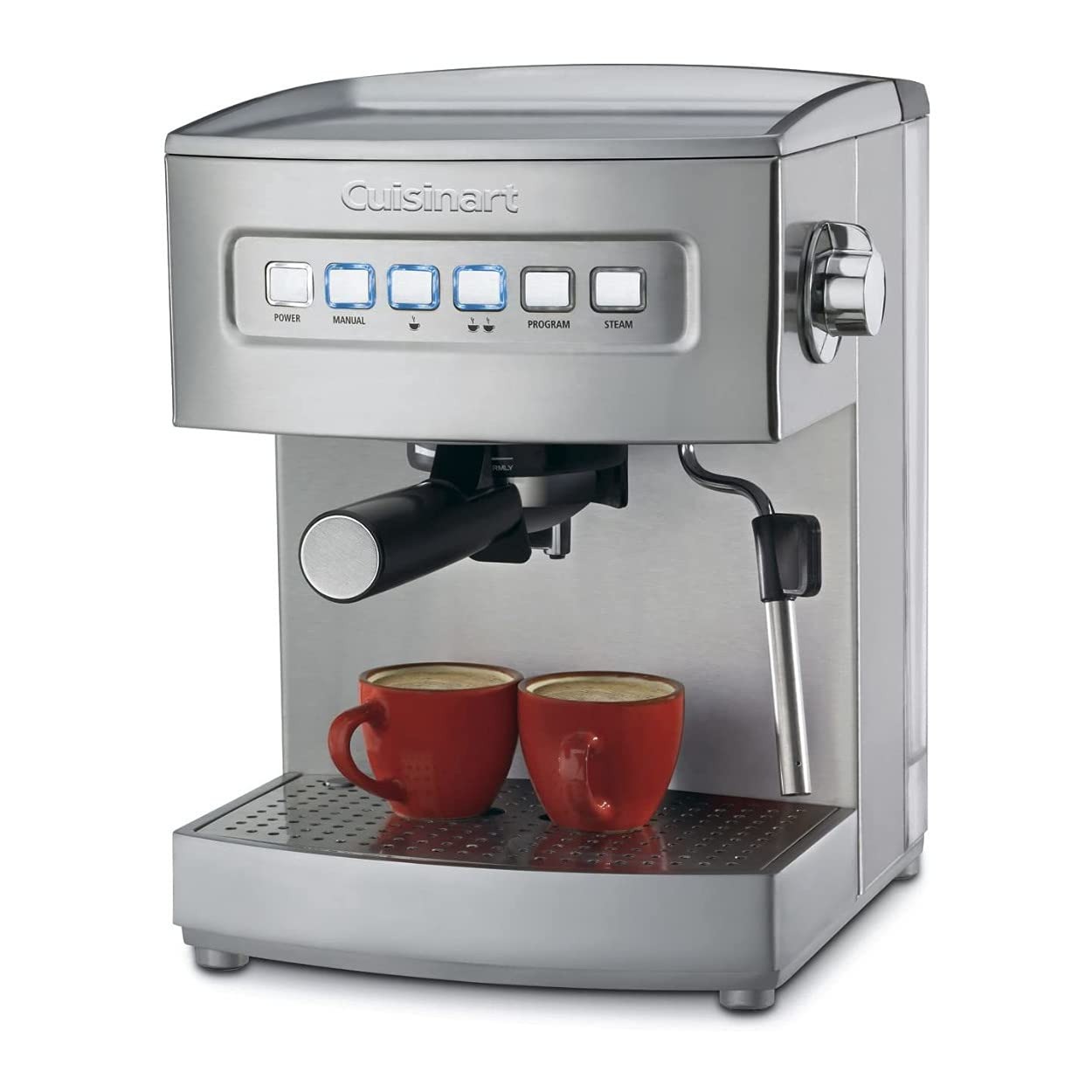
The genesis of the espresso machine can be traced back to Turin in 1884, with Angelo Moriondo’s patent for a steam-powered device. While Moriondo laid the groundwork, it was Luigi Bezzera who, in 1901, patented the first machine designed for commercial use, featuring the iconic group heads and portafilters we recognize today. This invention slashed brewing times, giving birth to the term “espresso,” meaning “pressed out” or “express.”
Soon after, Desiderio Pavoni acquired Bezzera’s patent, and together, through La Pavoni, they began commercializing these revolutionary machines. This partnership propelled espresso into the heart of Italian social life. But the evolution didn’t stop there. In the 1940s, Achille Gaggia introduced the game-changing lever-based system, which applied higher pressure to the coffee grounds. This innovation was responsible for the birth of “crema” – that beautiful, reddish-brown foam that crowns a perfect espresso shot and signifies its quality. My personal journey into espresso began with a Gaggia lever machine, and I still remember the satisfaction of pulling that lever and seeing the crema bloom for the first time.
The 1960s brought another seismic shift with Faema’s E61, the first semi-automatic machine. It introduced a continuous water pump, eliminating the need for constant lever pulling and ensuring more consistent pressure. This machine not only set a new standard for performance but also established the classic aesthetic that many modern Italian espresso machines still echo today. From these pioneering efforts, a legacy of precision engineering and passionate craftsmanship was forged, a legacy that continues to define Italian coffee culture.
What Makes an Italian Espresso Machine So Special?
It’s more than just a brand name; it’s a philosophy. An Italian espresso machine embodies a commitment to craftsmanship, quality materials, and a deep understanding of coffee extraction.
- Premium Materials and Craftsmanship: Italian machines are often built with heavy-duty components like brass boilers, stainless steel housings, and commercial-grade group heads. This isn’t just for show; these materials ensure exceptional temperature stability and durability, designed to last for decades, not just years.
- Precision Engineering for Perfect Extraction: From the carefully calibrated pumps to the thoughtfully designed portafilters, every component of an Italian espresso machine is geared towards one goal: extracting the fullest flavor from your coffee beans. This meticulous attention to detail is what allows for that rich, balanced, and nuanced espresso.
- A Legacy of Innovation: As we’ve seen, Italian manufacturers have been at the forefront of espresso machine innovation for over a century. This continuous drive to refine and improve means you’re often getting cutting-edge technology wrapped in timeless design.
“There’s a tangible difference when you taste an espresso from a well-made Italian machine,” says Marco Rossi, a third-generation barista from Naples. “It’s not just strong; it’s harmonious. Every note of the bean sings, beautifully balanced by the crema. That’s the Italian soul of coffee.”
Decoding the Italian Espresso Machine Landscape: Types and What They Offer
The world of Italian espresso machines is wonderfully diverse, catering to every skill level and desire.
Manual Lever Machines
These are the closest you’ll get to the original Gaggia experience. You manually pull a lever to pressurize the water through the coffee grounds. They require skill and patience but offer unparalleled control over the extraction process, allowing for incredible customization of your shot. Brands like La Pavoni still excel in this category.
Semi-Automatic Machines
The most popular choice for home enthusiasts, semi-automatic machines feature an electric pump for consistent pressure and a brew switch that you manually start and stop. This gives you control over the shot volume while the machine handles the pressure. Many iconic Italian brands, including Rancilio and Gaggia, offer fantastic semi-automatic models.
Automatic Machines
These machines take semi-automatics a step further by automatically stopping the shot once a pre-programmed volume is reached. You still grind, tamp, and insert the portafilter, but the machine handles the duration of the shot. This offers a good balance of control and convenience.
Super-Automatic Machines
For ultimate convenience, super-automatic Italian espresso machines handle everything from grinding the beans to frothing the milk at the touch of a button. While they offer less hands-on control, the latest models from brands like DeLonghi and Gaggia deliver surprisingly excellent results with minimal effort, making them ideal for busy mornings.
Inside the Brew: Key Components and How Your Italian Espresso Machine Works
Understanding the core components of your Italian espresso machine is key to mastering the art of espresso.
- The Pump: This is the heart of the machine, responsible for generating the 9 bars of pressure (the industry standard) needed to extract espresso. Italian machines often feature high-quality vibratory or rotary pumps for consistent performance.
- The Boiler: The boiler heats the water to the precise brewing temperature (around 195-205°F or 90-96°C) and generates steam for milk frothing. Single boiler, heat exchanger (HX), and dual boiler systems offer different levels of temperature stability and steaming power.
- The Group Head: This is where the magic happens. Hot, pressurized water is delivered from the boiler through the group head and into the portafilter. Many Italian machines use commercial-grade E61 group heads, known for their thermal stability.
- The Portafilter: This detachable handle holds the filter basket, which in turn holds your ground coffee. A heavy, well-designed portafilter helps maintain temperature during extraction.
- The Steam Wand: Essential for milk-based drinks, the steam wand delivers pressurized steam to froth milk into a velvety microfoam. High-quality Italian steam wands offer ample power and precise control.
Brewing the Perfect Italian Espresso: Techniques from a Pro
Brewing the perfect espresso with your Italian espresso machine is an art form, but with a few key techniques, you’ll be pulling incredible shots in no time.
- Grind Fresh, Grind Fine: Always start with freshly roasted coffee beans and grind them just before brewing. The grind size is crucial; it should be fine enough to feel like powdered sugar but not clumpy. If your shot extracts too fast, your grind is too coarse. If it chokes the machine, it’s too fine.
- Dose Consistently: Use a consistent amount of ground coffee for each shot. For a standard double shot, typically 18-20 grams is ideal.
- Tamp with Precision: Distribute the coffee evenly in the portafilter and tamp firmly with about 30 pounds of pressure. A level tamp is essential for even extraction. “An uneven tamp is the enemy of a balanced shot,” advises veteran barista Sofia Bianchi. “It creates channels for water to rush through, leading to under-extraction and a thin taste.”
- Pre-Infusion (If Available): If your machine offers pre-infusion, use it! This gently wets the coffee grounds before full pressure is applied, helping to reduce channeling and achieve a more even extraction.
- Monitor Your Extraction: A perfect espresso shot should extract in 25-30 seconds, producing about 1.5 to 2 ounces of liquid with a rich, tiger-striped crema. Watch the stream: it should start dark, then lighten to a hazelnut color, resembling warm honey.
- Master the Milk Froth: For lattes and cappuccinos, purge your steam wand, then submerge the tip just below the surface of cold milk. Create a whirlpool effect to incorporate air, then lower the wand to heat the milk to around 140-150°F (60-65°C). The result should be glossy, velvety microfoam.
Keeping Your Italian Masterpiece Pristine: Maintenance and Longevity
Regular maintenance is crucial for the longevity and consistent performance of your Italian espresso machine. Think of it as caring for a prized possession, because it truly is.
- Daily Rinsing and Wiping: After each use, flush the group head and wipe down the steam wand. This prevents coffee oils and milk residue from building up.
- Backflushing: For machines with a three-way solenoid valve, backflushing with a blind portafilter basket and a specialized cleaning detergent removes built-up coffee oils from the group head and internal components. Do this weekly or bi-weekly depending on usage.
- Portafilter and Basket Cleaning: Soak your portafilter and filter baskets in a cleaning solution periodically to remove stubborn coffee residue.
- Descaling: Mineral deposits from water can build up in your boiler and lines, affecting performance and heating efficiency. Descale your machine every 1-3 months, depending on your water hardness, using a descaling solution recommended by the manufacturer. “Neglecting descaling is like letting rust build up on a classic car,” warns espresso machine technician Giovanni Esposito. “It silently degrades performance until you have a costly repair.”
- Gasket and Shower Screen Replacement: Over time, the group head gasket and shower screen will wear out. Replace these every 6-12 months to maintain a proper seal and even water dispersion.
Navigating the Giants: Top Italian Espresso Machine Brands
When it comes to Italian espresso machines, several brands stand out for their heritage, innovation, and quality.
- La Marzocco: A name synonymous with commercial-grade excellence, La Marzocco machines are renowned for their thermal stability and robust build quality, often found in top cafes worldwide and now offering impressive home models like the Linea Mini.
- Rocket Espresso: Known for their stunning aesthetics and exceptional performance, Rocket Espresso machines are prosumer favorites, blending classic Italian design with modern engineering, often featuring dual boilers and PID control.
- Lelit: Offering a fantastic range of machines from entry-level to advanced prosumer models, Lelit strikes a balance between performance, features (like flow profiling on models like the Bianca), and elegant design.
- Rancilio: Famous for the iconic Silvia, Rancilio offers durable and reliable semi-automatic and prosumer machines that are workhorses in many home setups. The Silvia Pro X is a popular dual-boiler option.
- Gaggia: With a rich history tied to the invention of crema, Gaggia continues to produce a wide range of machines, from accessible manual models like the Classic Pro to advanced super-automatics.
- DeLonghi: A major player in the home appliance market, DeLonghi excels in user-friendly super-automatic and automatic Italian espresso machines, offering convenience without compromising too much on quality.
- La Pavoni: The original innovators, La Pavoni continues to produce beautiful and powerful manual lever machines, appealing to traditionalists who cherish the hands-on brewing experience.
- Nuova Simonelli: Primarily focused on commercial machines, Nuova Simonelli also offers robust prosumer models that bring professional-grade performance into the home.
- SMEG: While newer to the espresso scene, SMEG combines iconic retro Italian design with reliable functionality, offering stylish semi-automatic and automatic options.
Choosing Your Perfect Italian Espresso Machine: A Buyer’s Guide
Selecting the right Italian espresso machine can feel overwhelming, but by considering a few key factors, you can find your ideal match.
What is your experience level?
- Beginner: Consider a super-automatic for ease of use or an entry-level semi-automatic like the Gaggia Classic Evo Pro to learn the fundamentals.
- Intermediate: A semi-automatic with PID control or a heat exchanger machine (like the Lelit Mara X) offers more control and better performance.
- Advanced/Prosumer: Dual boiler machines (Lelit Bianca V3, Rocket Espresso R58) with flow profiling provide ultimate control and café-level consistency.
What’s your budget?
Italian machines range from a few hundred dollars for entry-level models to several thousands for high-end prosumer and commercial units. Be realistic about what you’re willing to invest, but remember, a good Italian machine is a long-term investment in daily joy.
What kind of drinks do you prefer?
If you’re a straight espresso drinker, a simpler machine might suffice. If you love milk-based drinks like lattes and cappuccinos, prioritize machines with powerful steam wands and dedicated steam boilers (dual boiler or heat exchanger systems) for faster workflow and better microfoam.
How much counter space do you have?
Some Italian machines, especially dual boilers, can be quite large. Measure your available space before falling in love with a behemoth. Compact models like the Rocket Appartamento or Lelit Mara X are designed for smaller kitchens.
Do you want manual control or automated convenience?
This is a personal preference. Manual lever machines offer maximum control, while super-automatics offer maximum convenience. Semi-automatics strike a balance, giving you control over grind, tamp, and shot volume.
FAQ About Italian Espresso Machines
Q: What is the ideal pressure for an Italian espresso machine?
A: The industry standard for espresso extraction pressure is 9 bars. This pressure is consistently applied by the pump in an Italian espresso machine to force hot water through the compacted coffee grounds.
Q: Why do Italian espresso machines produce crema?
A: Crema is a hallmark of a well-extracted espresso and is produced when hot, pressurized water emulsifies the oils and fine solids from the coffee, trapping carbon dioxide gases in a dense foam. Achille Gaggia’s lever machines were pivotal in consistently creating this rich, golden layer.
Q: Can I use any coffee beans in an Italian espresso machine?
A: While you can use any beans, for the best results, use freshly roasted, high-quality espresso beans. The roast level and freshness significantly impact flavor and the ability to achieve a perfect shot from your Italian espresso machine.
Q: How often should I descale my Italian espresso machine?
A: The frequency depends on your water hardness and usage, but typically every 1-3 months. Descaling prevents mineral buildup, ensuring your Italian espresso machine maintains optimal performance and extends its lifespan.
Q: What’s the difference between a single and dual boiler Italian espresso machine?
A: A single boiler heats water for both brewing and steaming in the same boiler, requiring a temperature change between tasks. A dual boiler Italian espresso machine has separate boilers for brewing and steaming, allowing you to do both simultaneously with precise temperature control.
Q: Are Italian espresso machines difficult to use for beginners?
A: While some manual and prosumer Italian espresso machines have a learning curve, there are many user-friendly semi-automatic and super-automatic models available that are perfect for beginners, offering excellent espresso with less effort.
The Enduring Romance of the Italian Espresso Machine
From the first experimental contraptions of the late 19th century to the sleek, technologically advanced marvels of today, the Italian espresso machine has remained a constant beacon of coffee excellence. It’s more than just a kitchen appliance; it’s a piece of history, a work of engineering art, and a daily invitation to experience the rich, vibrant culture of Italian coffee.
Owning an Italian espresso machine isn’t just about making coffee; it’s about embracing a ritual, honing a skill, and enjoying a moment of pure, unadulterated pleasure. So, whether you’re a seasoned barista at heart or just beginning your espresso journey, I encourage you to delve into this captivating world. Experiment with different beans, perfect your grind, master your tamp, and savor every single shot. The reward? A truly exceptional cup of espresso, made with passion, right in your own home.