Embarking on the quest for the ultimate espresso experience at home or in a bustling café hinges on one critical piece of equipment: a truly Good Espresso Machine. With over 15 years immersed in the world of espresso machines, from their intricate mechanical and hydraulic underpinnings to the art of flavor extraction, I’ve seen firsthand what separates the good from the great. For enthusiasts and professionals alike, understanding the core principles behind a good espresso machine is the first step to unlocking consistently delicious shots and elevating your coffee craft.
The Heart of the Matter: Core Elements of a Good Espresso Machine
At its essence, a good espresso machine is a marvel of precision engineering, designed to bring water, pressure, and perfectly ground coffee together in a fleeting, yet impactful, dance. The magic, however, lies in its ability to consistently control these variables.
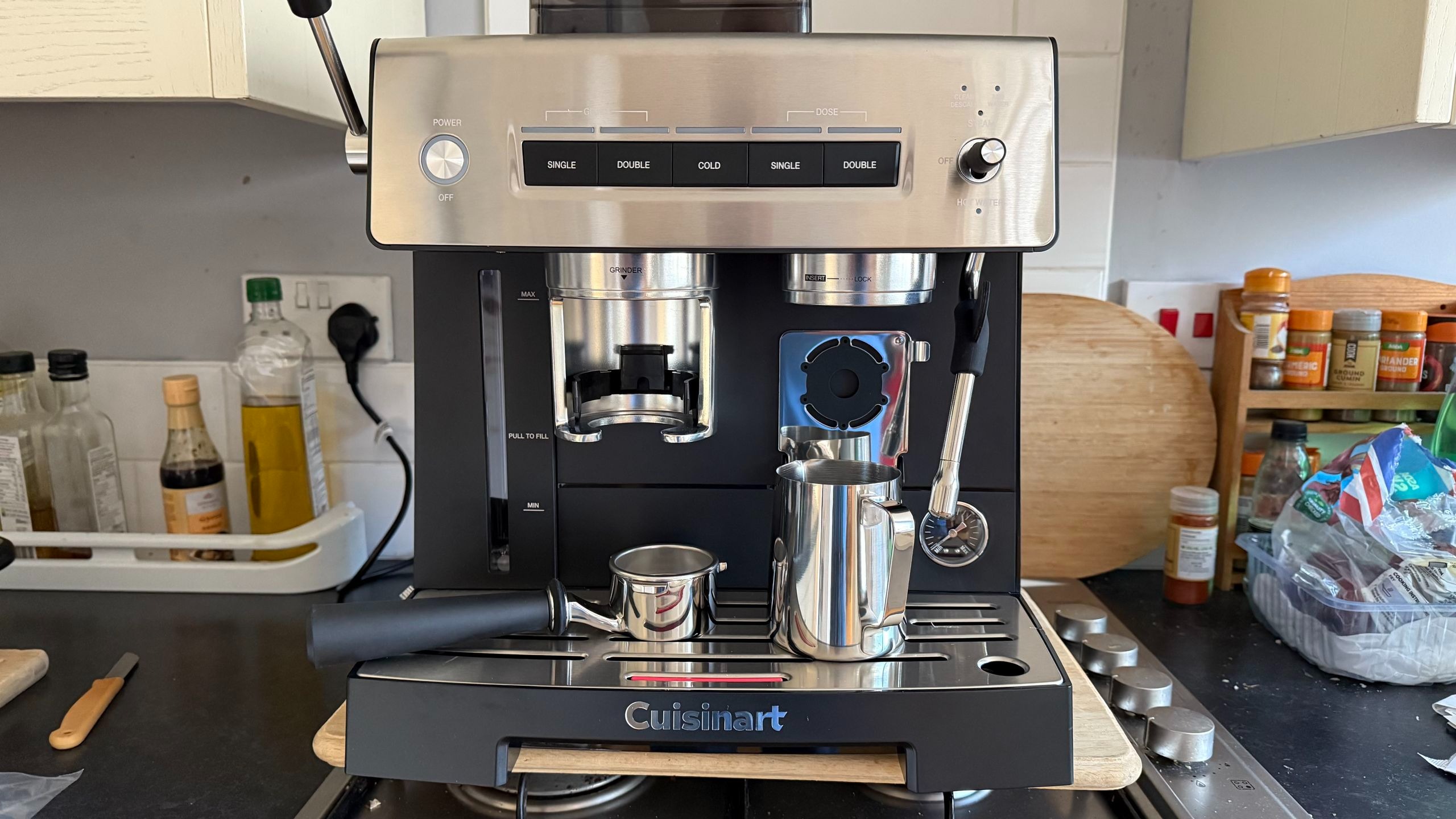
Temperature Consistency: The PID Difference
What is PID in an espresso machine?
PID stands for Proportional-Integral-Derivative. It’s a sophisticated control loop mechanism that continuously monitors and adjusts the brew water temperature, ensuring remarkable stability. This is crucial because even slight temperature fluctuations can drastically alter the taste of your espresso, leading to under-extraction (sour notes) or over-extraction (bitter flavors). A good espresso machine maintains the ideal brewing temperature, typically between 90-96°C (195-205°F), throughout the entire shot.
Pressure Stability: The 9-Bar Golden Rule
Why is 9 bars of pressure important for espresso?
The revered 9 bars of pressure is the industry standard for optimal espresso extraction. This specific pressure forces hot water through the compacted coffee grounds at just the right rate, dissolving desirable flavors and oils while leaving behind bitter compounds. A good espresso machine, whether pump-driven or spring-lever, will consistently deliver this pressure, creating that beautiful, rich crema and a balanced flavor profile. Cheaper machines with unstable pressure can lead to uneven extraction and a lackluster shot.
Robust Build Quality: Built to Last
Just like a classic sports car, the materials and construction of your espresso machine speak volumes about its longevity and performance. High-quality machines often feature sturdy components like stainless steel, brass, and copper. These materials not only withstand the rigors of daily use but also contribute significantly to thermal stability, which, as we’ve discussed, is key to a good espresso. Plastic components, while making machines more affordable, tend to degrade faster and offer less thermal stability.
Deciphering Your Desires: Types of Good Espresso Machines
The landscape of espresso machines is diverse, each type catering to different levels of involvement, skill, and convenience. Choosing the right one means aligning the machine’s capabilities with your personal barista journey.
Manual Lever Machines: The Purist’s Path
For those who crave ultimate control and a connection to the craft, manual lever machines are unparalleled. You become the pump, dictating every aspect of pressure and pre-infusion by hand. This hands-on approach allows for incredible customization and truly unique shots, rewarding patience and skill with unparalleled flavor depth. They are a nod to espresso’s heritage and require dedication but offer immense satisfaction.
Semi-Automatic Machines: The Home Barista’s Sweet Spot
What is a semi-automatic espresso machine good for?
Semi-automatic machines strike a perfect balance between control and convenience, making them ideal for the burgeoning home barista. They automate the water pumping and temperature regulation while giving you control over the grind, dose, tamp, and extraction time. This allows for experimentation and learning the nuances of espresso making without being overwhelmed by every single variable. Many top-rated home machines fall into this category, offering excellent performance and room to grow your skills.
Automatic and Super-Automatic: Convenience Meets Consistency
Automatic machines take the semi-automatic concept a step further by using flow meters to automatically stop the shot at a pre-programmed volume. Super-automatic machines automate nearly every step, from grinding beans and tamping the puck to brewing and even frothing milk with the push of a button. These are fantastic for those prioritizing speed and consistency, especially in busy household or office settings, but they often sacrifice some of the nuanced control favored by dedicated enthusiasts.
Beyond the Basics: Advanced Features for a Superior Brew
Once the fundamental requirements of consistent temperature and pressure are met, several advanced features can truly elevate a good espresso machine to an exceptional one.
Boiler Systems: Single, HX, and Dual Boilers Explained
The boiler system is critical for thermal stability and efficiency, especially if you enjoy milk-based drinks.
- Single Boiler (SB): Heats water for both brewing and steaming, but not simultaneously. You’ll need to wait for temperature changes between tasks. Good for occasional espresso drinkers.
- Heat Exchanger (HX): Uses a single boiler for steam, with a separate tube (heat exchanger) running through it to heat brew water on demand. Allows simultaneous brewing and steaming, offering good performance for most home users.
- Dual Boiler (DB): Features two independent boilers—one for brewing and one for steaming. This configuration provides the best temperature stability and allows for simultaneous, uncompromised brewing and steaming, making it the choice for serious home baristas and commercial settings.
The Power of the Grind: Why Your Grinder Matters Most
Is an integrated grinder good enough for espresso?
While some espresso machines come with integrated grinders, a dedicated, high-quality burr grinder is arguably the most crucial component for making truly good espresso. Experts often say the grinder is more important than the machine itself! Integrated grinders can be convenient, but they rarely offer the precision, consistency, and durability of a separate, high-quality burr grinder. Espresso demands an extremely fine and consistent grind, and a poor grinder will undermine even the best espresso machine. Investing in a good grinder is paramount.
Steaming Ahead: Frothing Milk Like a Pro
For cappuccino and latte lovers, a powerful and responsive steam wand is non-negotiable. Good espresso machines provide ample, dry steam to create silky microfoam—that beautiful, pourable texture essential for latte art and delicious milk-based drinks. Dual boiler and heat exchanger machines typically excel here, providing the steam power needed without affecting brew temperature.
Pre-infusion and Pressure Profiling: Unlocking Flavor Potential
Advanced machines offer features like pre-infusion, which gently saturates the coffee puck before full pressure is applied, leading to a more even extraction and richer flavors. Some high-end models even allow for pressure profiling, enabling experienced baristas to manipulate pressure throughout the shot, extracting different flavor notes and exploring the full potential of their beans.
Choosing Your Champion: How to Pick a Good Espresso Machine
With so many options, finding the right “good espresso machine” can feel daunting. It boils down to a few key considerations.
Assessing Your Barista Level and Dedication
Are you a beginner just starting out, an intermediate enthusiast eager to experiment, or a seasoned pro looking for ultimate control? Your skill level and how much time you’re willing to dedicate to learning and honing your craft should heavily influence your choice. Beginners might prefer the semi-automatic or even super-automatic route, while experienced users will gravitate towards manual levers or high-end dual boilers.
Balancing Budget and Features
As with any significant purchase, your budget will play a major role. A general rule of thumb is to prioritize consistent temperature and pressure, a good pump, and quality build materials. Remember, sometimes sacrificing a few bells and whistles for core quality within your budget is a smarter move. And don’t forget to allocate a significant portion of your budget to a high-quality grinder!
Understanding the Importance of Brand and Support
A reputable brand often means reliable performance, better customer support, and easier access to parts and service. Do your research, read reviews, and consider the brand’s reputation for durability and customer service. As our expert barista, Marco “The Brewmaster” Rossi, always says, “A good espresso machine isn’t just about the shot it pulls today, but the consistent joy it brings for years to come, backed by craftsmanship and a brand you can trust.”
Keeping It Running Smoothly: Maintenance for Your Good Espresso Machine
Even the best espresso machine needs love and care to continue producing exceptional coffee. Regular maintenance is key to longevity and consistent performance.
Daily Rituals for Longevity
After each use, flush the group head and wipe down the steam wand. Backflushing with a blind portafilter and an espresso cleaning solution should be done weekly for most machines to remove built-up coffee oils. Keep the drip tray and water reservoir clean. These simple habits prevent residue buildup and ensure optimal taste.
Deeper Cleaning and Descaling
Periodically, your machine will need a deeper clean and descaling. Descaling removes mineral deposits that can clog internal components and affect water temperature. The frequency depends on your water hardness and machine usage, but typically every 1-3 months. Always follow your machine’s manufacturer guidelines for descaling to avoid damage.
Good Espresso Machines: Common Questions Answered
Q1: How much should I spend on a good espresso machine?
A: The price range for a good espresso machine varies widely. You can find capable entry-level semi-automatic machines from $400-$800, while high-end prosumer models can range from $1,500 to $4,000+. Remember to budget separately for a quality burr grinder, which is crucial for good espresso.
Q2: Can a cheap espresso machine make good espresso?
A: While a very cheap machine might produce coffee, it’s unlikely to create true, high-quality espresso. Cheaper models often lack the temperature and pressure stability, robust components, and steam power needed for consistent, delicious shots and milk-based drinks. Investing a reasonable amount ensures a better experience.
Q3: What’s the difference between a good home and commercial espresso machine?
A: Commercial machines are built for much higher volume, featuring larger boilers, more powerful heating elements, and heavier-duty components designed for continuous use in a café setting. Home machines are scaled down, focusing on efficient performance for personal use while still delivering excellent quality.
Q4: How often should I clean my espresso machine?
A: Daily rituals include flushing the group head and wiping the steam wand. Backflushing should be done weekly or bi-weekly. Descaling typically every 1-3 months, depending on water hardness and usage, but always refer to your machine’s manual for specific recommendations.
Q5: Is a built-in grinder a good idea?
A: For convenience, an integrated grinder can be a good starting point. However, for truly excellent espresso, a separate, high-quality burr grinder is almost always superior. Dedicated grinders offer more precise adjustments and consistent grind quality, which is paramount for optimal extraction.
Your Journey to Exceptional Espresso Starts Here
Choosing a good espresso machine is an investment in your daily ritual and your passion for coffee. It’s about understanding the synergy of consistent temperature, stable pressure, and quality components. Whether you’re pulling a lever, dialing in a semi-automatic, or enjoying the simplicity of a super-automatic, the right machine empowers you to craft incredible espresso. Embrace the journey, experiment with your beans, refine your technique, and most importantly, savor every rich, aromatic sip from your truly good espresso machine.