Stepping into the world of home espresso can feel like navigating a bustling Italian piazza – exciting, vibrant, but perhaps a little overwhelming with all the choices. For many aspiring home baristas in the U.S., the Gevi Espresso Machine has emerged as a compelling entry point, offering an intriguing blend of affordability and performance. As someone who’s spent over fifteen years elbow-deep in espresso machine mechanics, from intricate hydraulics to the delicate art of extraction, I’ve seen countless brands promise the moon. Gevi, however, consistently delivers a solid foundation for your daily ritual, making café-quality coffee an achievable reality right in your own kitchen. Let’s pull back the curtain on these popular machines and explore what makes them a smart choice for coffee lovers.
What Makes a Gevi Espresso Machine Tick? Unpacking the Core Features
Gevi espresso machines are designed with a focus on delivering the essentials of a great espresso shot without unnecessary complexity. They strike a balance, incorporating crucial technologies typically found in more expensive models.
The Power Behind the Shot: Pressure and Heating Systems
At the heart of any Gevi espresso machine, you’ll find a robust pressure system. Many models boast a 20-bar professional Italian pump, a critical component for achieving that rich, aromatic espresso with a beautiful layer of crema. This high pressure ensures optimal extraction, pulling out the full spectrum of flavors from your coffee grounds. Think of it like this: without adequate pressure, your espresso might taste weak or underdeveloped, no matter how good your beans are.
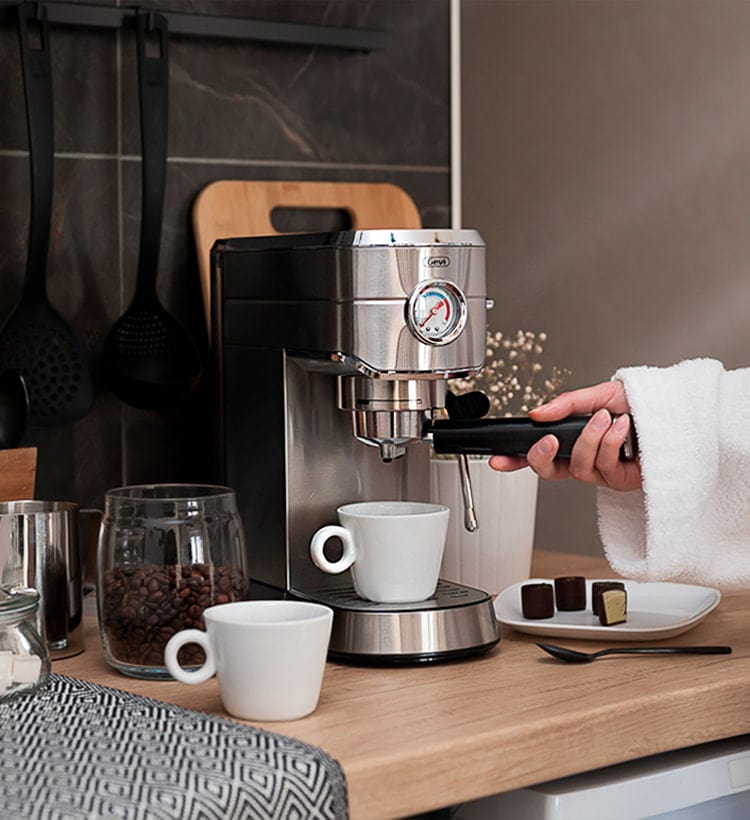
Beyond pressure, the heating system plays a pivotal role. Most Gevi machines incorporate an advanced 1350W thermoblock fast heating system. What does this mean for you? Less waiting around for your machine to warm up, allowing you to enjoy your first shot in as little as 45 seconds. Some advanced Gevi models even feature an NTC (Negative Temperature Coefficient) temperature control system, which separately regulates the temperature for both espresso brewing and milk frothing. This precision ensures your espresso is brewed at the ideal temperature (typically between 195–205°F) for balanced flavor and prevents bitterness from overheating.
Crafting Milk: The Gevi Steam Wand Experience
For many, espresso isn’t complete without creamy, textured milk. Gevi machines come equipped with manual steam wands, designed to help you create lattes, cappuccinos, and macchiatos right at home. The performance of these steam wands can be a bit of a mixed bag across different models. Some users praise the strength of the steam, noting its capability to produce silky smooth microfoam, perfect for aspiring latte artists. With a bit of practice, you can definitely achieve impressive results.
However, it’s also true that on some of the more budget-friendly Gevi models, the steam wand might feel a little less robust or take a bit longer to heat up and texture milk compared to higher-end, commercial-grade machines. Some older or entry-level Gevi wands might be of the panarello style, which is easier for beginners but offers less control over milk texture. For those serious about achieving professional-level microfoam, mastering the manual wand requires patience and a good milk pitcher – which, incidentally, is often not included with the machine. It’s a skill worth developing, transforming your milk-based drinks from good to truly great.
Designed for Your Kitchen: Aesthetics and Practicality
Gevi understands that an espresso machine isn’t just a kitchen appliance; it’s often a centerpiece. Many Gevi models feature a sleek, compact design with full stainless steel housing, offering a modern aesthetic that complements any kitchen decor. Their smaller footprint makes them ideal for tighter countertops or smaller living spaces, a definite plus for apartment dwellers or those with limited kitchen real estate.
Beyond looks, Gevi prioritizes practical features for daily use and maintenance. Removable drip trays and water tanks are standard, making both refilling and cleaning a breeze. Clear functional buttons and intuitive controls contribute to a user-friendly experience, ensuring that even beginners can easily navigate the machine’s operations. While some ultra-budget models might incorporate more plastic, leading to a slightly less premium feel, Gevi generally aims for durable construction that stands up to regular use.
Gevi Espresso Machine Models: Finding Your Perfect Match
Gevi offers a range of espresso machines catering to different needs and skill levels, from the absolute beginner to the more experienced home barista.
Entry-Level Excellence: The Gevi Compact and 20 Bar Series
For those just dipping their toes into the espresso world, Gevi’s compact and general 20-bar series machines are an excellent starting point. These models are designed for simplicity and value, providing a straightforward path to enjoying decent espresso at home. They often come with a 20-bar pump, a rapid heating system, and a manual steam wand. They are generally praised for their ease of use, making them highly beginner-friendly. While they might not offer extensive customization, they reliably produce good quality espresso and are ideal for learning the ropes of home brewing without a significant investment.
Integrated Convenience: Gevi Espresso Machines with Grinders
Some Gevi models offer the convenience of an integrated grinder, transforming them into “bean-to-cup” machines. This is a fantastic feature for those who want a streamlined workflow and fresh-ground coffee every time without the need for a separate appliance. The Gevi Espresso Machine with Grinder, for example, is lauded for its affordability in this category. However, as with many integrated systems at this price point, there can be trade-offs. Reviews sometimes point to the grinder’s consistency or the steam wand’s performance as areas where compromises are made to keep the price down. If you prioritize bean-to-cup convenience above all else, these machines offer a respectable solution, but serious enthusiasts might still prefer a dedicated, high-quality burr grinder.
Stepping Up Your Game: Advanced Gevi Machines
For the more discerning home barista, Gevi also offers models with advanced features that provide greater control and café-level performance.
- Gevi Ezbru 1000: This model often includes pre-infusion technology, which gently wets the coffee grounds before full extraction. This process enhances flavor balance and crema formation, leading to a more nuanced and aromatic shot.
- Gevi Dual Boiler Espresso Coffee Maker (ECMF0): A game-changer for serious enthusiasts, dual boiler machines allow you to brew espresso and steam milk simultaneously. This eliminates the frustrating wait time between brewing and frothing, ensuring perfectly temperature-controlled milk for your espresso. The ECMF0 often pairs this with PID temperature control for ultimate stability and a professional 58mm portafilter, compatible with higher-grade accessories.
- Gevi 20 Bar Semi-Automatic Espresso Coffee Machine (ECMN0): This machine combines professional brewing tech with modern usability, featuring an Over Pressure Valve (OPV) system. An OPV regulates the maximum brewing pressure, preventing over-extraction and ensuring more consistent, balanced shots. It often includes a dual display touch screen, giving you separate intuitive controls for brewing and steaming.
These advanced Gevi offerings demonstrate the brand’s commitment to catering to a broader spectrum of coffee lovers, providing options that can truly elevate the home brewing experience.
Getting the Best Out of Your Gevi: Brewing Tips from a Pro
Even the most sophisticated espresso machine is only as good as the technique behind it. Here’s how to unlock the full potential of your Gevi.
The Golden Rules of Extraction: Grind, Dose, and Tamp
The trinity of perfect espresso lies in your grind, dose, and tamp.
- Grind: This is paramount. For a Gevi espresso machine, especially those without integrated grinders, investing in a good quality burr grinder is crucial. A consistent, fine grind (like powdered sugar) is necessary for proper extraction. If your espresso flows too fast, your grind is too coarse; if it chokes the machine, it’s too fine. Adjust in small increments.
- Dose: Most Gevi portafilters are designed for a specific dose, often around 17 grams for a double shot. Overdosing can lead to channeling and bitterness, while underdosing results in weak, watery espresso.
- Tamp: A consistent, level tamp ensures that the water flows evenly through the coffee puck. Aim for firm, even pressure. An uneven tamp will lead to “channeling,” where water finds paths of least resistance, resulting in underextracted areas.
What is the ideal brew time for a Gevi espresso machine?
For a Gevi machine, aim for an extraction time of 25-30 seconds for a single shot (around 30ml) or 25-30 seconds for a double shot (around 60ml). This timing, combined with the correct grind and dose, indicates a balanced extraction.
Frothing Like a Barista: Taming the Steam Wand
Mastering the steam wand is a learned skill, but incredibly rewarding.
- Cold Milk is Key: Always start with fresh, cold milk (whole milk works best for beginners).
- Purge the Wand: Before steaming, always purge the steam wand to release any condensed water.
- Positioning: Submerge the tip of the wand just below the surface of the milk, slightly off-center.
- “Stretching” the Milk: Open the steam valve fully. Listen for a gentle “kissing” sound, indicating you’re incorporating air to create foam. Do this for a few seconds.
- “Texturing” the Milk: Lower the wand deeper into the milk. You want to create a vortex, a whirlpool effect, that integrates the foam into the liquid milk, creating a smooth, glossy microfoam.
- Temperature: Steam until the pitcher is almost too hot to touch, around 140-150°F.
- Clean Immediately: Wipe the steam wand immediately after use with a damp cloth to prevent milk from drying and clogging. Purge it again quickly.
It takes practice, but the Gevi steam wand, with patience, can produce excellent results for your milk-based drinks.
Beyond the Shot: Crafting Lattes and Cappuccinos
Once you have your perfect espresso shot and beautifully frothed milk, the world of coffee drinks opens up.
- Cappuccino: Equal parts espresso, steamed milk, and a generous cap of foam.
- Latte: One part espresso, two parts steamed milk, with a thin layer of microfoam on top, perfect for practicing latte art.
- Americano: Espresso diluted with hot water.
- Macchiato: Espresso “marked” with a dollop of milk foam.
Experiment with different ratios and syrups to discover your favorite creations.
Keeping Your Gevi in Top Shape: Maintenance and Care
Like any precision machine, your Gevi espresso maker thrives on regular maintenance. This isn’t just about longevity; it’s about ensuring every cup tastes its best.
Routine Cleaning
How often should I clean my Gevi espresso machine?
Daily cleaning of components that come into contact with coffee or milk is essential. This includes emptying and rinsing the portafilter, wiping down the steam wand immediately after use, and cleaning the drip tray. The water tank should be rinsed regularly and refilled with fresh, filtered water.
- Portafilter and Filter Baskets: After each use, knock out the spent coffee grounds and rinse the portafilter and filter basket thoroughly.
- Drip Tray and Water Tank: Empty and clean the drip tray daily. Rinse the water tank every few days and refill with fresh, filtered water to prevent mineral buildup and ensure clean-tasting coffee.
- Shower Screen: Periodically, remove the shower screen (the metal plate where the water comes out in the brew group) and clean it with a brush to remove trapped coffee oils.
Descaling
Why is descaling important for my Gevi espresso machine?
Descaling removes mineral buildup (limescale) from the internal components of your machine, which can clog water paths, reduce heating efficiency, and negatively impact espresso flavor. Regular descaling ensures optimal performance and extends the lifespan of your machine.
- Frequency: The frequency of descaling depends on your water hardness and how often you use your machine. Generally, every 2-3 months is a good guideline. If you use hard water, you might need to descale more often.
- Process: Use a descaling solution specifically designed for espresso machines. Follow the manufacturer’s instructions for your specific Gevi model, which typically involves running the solution through the machine’s water paths and then rinsing thoroughly with fresh water.
Why Choose a Gevi Espresso Machine? Value, Performance, and Support
In a market saturated with options, Gevi has carved out a niche by offering significant value. For coffee enthusiasts on a budget, Gevi machines provide a robust entry point into the world of home espresso without compromising excessively on quality. They often outperform similarly priced competitors, offering features like 20-bar pumps and rapid heating that are vital for good espresso.
“In my fifteen years in the espresso world, I’ve seen countless machines come and go. Gevi truly stands out in the budget category, democratizing quality espresso for home users. While they might not always have the bells and whistles of high-end models, their core functionality delivers surprising results, especially when paired with a quality grinder and a little practice,” says Sarah Chen, a seasoned espresso machine technician and content creator. Her insight underscores the pragmatic appeal of Gevi machines.
Furthermore, Gevi typically backs its products with a 12-month warranty and lifetime technical support, providing peace of mind for new owners. Their compact designs and user-friendly interfaces make them particularly appealing to beginners or those with limited space, proving that you don’t need a sprawling counter or a bottomless wallet to enjoy excellent espresso at home.
Frequently Asked Questions About Gevi Espresso Machines
Are Gevi espresso machines good for beginners?
Absolutely! Gevi espresso machines are often praised for their user-friendly design, straightforward controls, and automatic features like pre-set shot volumes, making them an excellent choice for individuals new to home espresso brewing.
Can Gevi machines make latte art?
Yes, many Gevi machines feature manual steam wands capable of producing microfoam suitable for latte art. However, achieving consistent, high-quality microfoam requires practice and technique, especially on budget-friendly models.
What’s the difference between 15 and 20 bar pressure in an espresso machine?
While both 15-bar and 20-bar pumps are designed to extract espresso, a 20-bar pump generally provides stronger, more consistent pressure. This often translates to a richer crema and more complete extraction, enhancing the flavor profile of your espresso.
Do Gevi espresso machines come with a grinder?
Some Gevi models, like specific bean-to-cup machines, do come with an integrated grinder. However, many popular Gevi espresso machines are standalone units and require a separate coffee grinder for optimal results.
How often should I descale my Gevi espresso machine?
The frequency depends on your water hardness and usage, but a good rule of thumb is every 2-3 months. Regular descaling prevents mineral buildup, which can affect machine performance and the taste of your coffee.
The Gevi Espresso Machine: Your Gateway to Great Coffee
The Gevi espresso machine represents a fantastic opportunity for anyone looking to bring the café experience into their home. Whether you’re a novice eager to learn the fundamentals or an experienced coffee lover seeking an affordable yet capable backup machine, Gevi offers models that balance performance, practicality, and price. By understanding its core features, choosing the right model for your needs, and committing to proper brewing techniques and maintenance, your Gevi espresso machine can be a reliable partner in crafting countless delicious cups. So, go ahead, experiment with different beans, hone your frothing skills, and savor the rich, aromatic world of espresso. Your journey to mastering the morning brew with a Gevi espresso machine starts now.