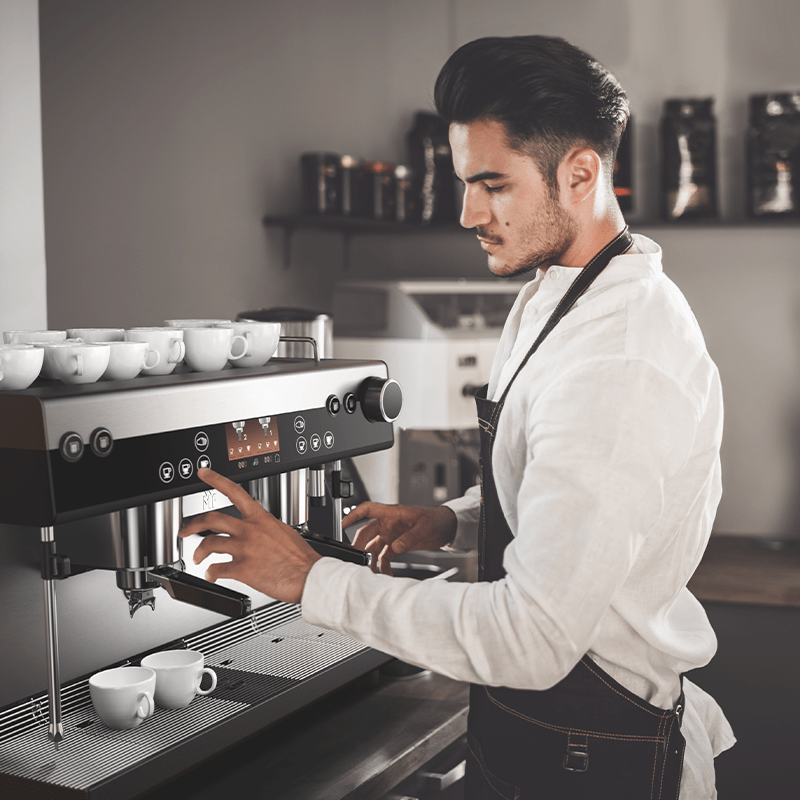
 Stepping into the vibrant world of coffee, you quickly realize that at the core of every bustling café, every memorable latte, and every perfect shot of espresso lies one indispensable hero: the Commercial Espresso Machine. It’s more than just an appliance; it’s an investment, a statement, and the very heartbeat of your business, dictating not only the quality of your coffee but also your operational speed and, ultimately, your profitability. For over fifteen years, I’ve lived and breathed these intricate marvels, from their robust hydraulic systems to the delicate nuances of flavor they help unlock. Let’s pull back the curtain and explore everything you need to know to choose, master, and maintain the perfect commercial espresso machine for your establishment.
The Heartbeat of Your Business: Understanding Commercial Espresso Machines
What Sets Them Apart?
Think of a commercial espresso machine as a high-performance athlete compared to a home jogger. While both can run, only one is built for endurance, speed, and consistent peak performance. Commercial units are engineered for heavy-duty, continuous operation, designed to withstand the rigors of peak hours, producing shot after shot without faltering. Their larger boilers, more powerful pumps, and robust construction ensure unparalleled durability and consistent quality, a stark contrast to their home counterparts.
A Brief History of Espresso Innovation
The journey of the espresso machine is a fascinating tale of engineering and passion. From the early 20th century, where rudimentary steam-powered devices first pushed hot water through coffee grounds, to the introduction of piston-driven lever machines in the 1940s, the goal has always been faster, more consistent, and higher-pressure extraction. These innovations laid the groundwork for the electric pump-driven machines we recognize today, continually evolving with advancements like dual boilers and PID temperature control to offer baristas unprecedented precision and control. Each generation has refined the art, pushing us closer to that elusive perfect shot.
Navigating the Landscape: Types of Commercial Espresso Machines
Choosing a commercial espresso machine often starts with understanding the different levels of automation available. Each type caters to specific operational needs, barista skill levels, and desired control over the brewing process.
Semi-Automatic Espresso Machines
These machines are the darlings of specialty coffee shops, offering a beautiful balance between automation and artistic control. With a semi-automatic commercial espresso machine, the barista manually starts and stops the water flow through the portafilter, allowing them to precisely control the extraction time. This hands-on approach empowers skilled baristas to adapt to different coffee beans and subtle variations, truly crafting each shot. They typically provide an output of 180 to 720 cups per hour, making them suitable for busy environments where quality and customization are paramount.
Automatic (Volumetric) Espresso Machines
Stepping up the automation ladder, automatic machines take some of the guesswork out of the process. While baristas still handle grinding, dosing, and tamping, these machines automate the water volume dispensed for each shot. Once the barista presses a button, the machine accurately measures and delivers a pre-programmed amount of water, stopping automatically. This feature significantly enhances consistency, reduces human error, and allows baristas to multitask, such as steaming milk while a shot is pulling. These machines can also produce between 32 and 720 cups per hour, offering reliability without completely removing the barista’s touch.
Super-Automatic Espresso Machines
For establishments prioritizing speed, ease of use, and minimal training, super-automatic commercial espresso machines are the ultimate solution. These “bean-to-cup” marvels integrate a grinder, automatically dose, tamp, brew, and often even froth milk with the push of a single button. They are designed for maximum convenience and consistency, making them ideal for offices, hotels, or cafes with high turnover and less emphasis on bespoke espresso crafting. While they offer the least control over the nuanced brewing variables, they deliver reliable, pre-programmed drinks efficiently, with an output of 40 to 180 cups per hour.
Manual/Lever Machines
While less common in high-volume commercial settings today, manual or lever espresso machines represent the purest form of espresso making. Operated by a hand-pulled lever that controls a hydraulic piston, these machines rely entirely on the barista’s skill and strength to generate brewing pressure. They can produce exceptionally rich and nuanced shots, celebrated for their traditional design and the deep connection they foster between barista and coffee. However, their steep learning curve and slower output make them better suited for niche, quality-focused establishments with highly trained staff rather than rapid-service environments.
The Inner Workings: Key Components and How They Function
Understanding the anatomy of your commercial espresso machine is crucial for optimizing performance and troubleshooting issues. Every component plays a vital role in delivering that perfect shot.
Group Heads
The group head is where the hot water meets the coffee grounds. Commercial machines come with varying numbers of group heads – typically one, two, three, or even four – each allowing for simultaneous espresso extraction. The number of group heads directly impacts your capacity and speed of service. A single-group machine can handle approximately 15-25 espressos per hour, suitable for smaller cafes or restaurants. Most busy establishments opt for two or three-group machines, which can comfortably produce between 75 and 500 espressos daily. High-volume coffee houses might even consider four-group machines to meet continuous demand.
Boiler Systems
The boiler system is the heart’s furnace, providing the hot water and steam essential for espresso making. The two most common types are Heat Exchanger (HX) and Dual Boiler (DB).
- Heat Exchanger (HX) Espresso Machines: These machines use a single boiler to heat water for both brewing and steaming. Inside the boiler, a coiled pipe, the heat exchanger, contains the brew water, which is heated by the superheated water surrounding it. This design allows for simultaneous brewing and steaming, making them efficient for many commercial settings.
- Dual Boiler (DB) Espresso Machines: Dual boiler systems are the gold standard for temperature precision. They feature two separate boilers: one dedicated to brewing coffee and another for generating steam and hot water. This separation ensures that the brew water temperature remains incredibly stable and accurate, which is critical for extracting the finest flavors, especially with specialty coffees. Many dual boiler machines also incorporate a PID controller for even finer temperature adjustments.
Electrical Element
The electrical element’s wattage is a critical factor in a machine’s recovery power – how quickly it can reheat water and rebuild steam pressure after use. For a two-group machine, elements typically range from 2700 to 4000 watts, while larger three or four-group machines demand more power, often between 4500 and 6500 watts. A higher wattage ensures your machine won’t falter during peak rushes, consistently delivering hot water and steam without delay.
PID Controller
A PID (Proportional, Integral, Derivative) controller is a digital thermostat that precisely regulates the brew water temperature. This feature is invaluable for baristas who want to experiment with different coffee origins and roast profiles, as even a one-degree difference can significantly alter the flavor extracted from the coffee grounds. It provides unparalleled control, helping to achieve consistent and repeatable high-quality shots.
Pump
The pump is responsible for delivering water at the ideal pressure (typically 9 bars) through the coffee grounds, a non-negotiable for proper espresso extraction. Commercial machines almost exclusively use rotary pumps, known for their quiet operation and consistent pressure delivery, essential in a busy café environment.
Portafilter
The portafilter is the detachable handle with a basket where ground coffee is placed and then locked into the group head. It’s an iconic part of the espresso ritual and crucial for effective extraction.
Steam Wand
The steam wand is the barista’s magic stick, used to froth and steam milk to the perfect temperature and texture for lattes, cappuccinos, and other milk-based drinks. Its design and power are key for creating silky microfoam.
Water Source: Direct Connect vs. Pourover
Your machine’s water supply method affects installation and daily operation.
- Direct Connect Espresso Machines: These machines are plumbed directly into your establishment’s water line, providing a continuous supply. They are ideal for high-volume cafes where refilling a reservoir isn’t practical. While they require professional installation, the convenience and consistent water pressure are invaluable.
- Pourover Espresso Machines: These units feature an internal water reservoir that needs to be manually refilled. They are more compact, portable, and don’t require costly plumbing, making them suitable for smaller operations or mobile setups where espresso drinks are not the primary focus. However, they are not designed for high-volume demand and often require more frequent descaling.
Crafting the Perfect Shot: Techniques and Best Practices
A commercial espresso machine provides the tools, but the barista brings the art. Mastering a few core techniques can elevate every cup.
Grind Size and Dosing
The right grind size is paramount. Too coarse, and the water rushes through, resulting in an under-extracted, weak shot. Too fine, and the water struggles, leading to an over-extracted, bitter shot. Consistent dosing, or the amount of coffee grounds used, is equally important for a balanced flavor profile.
Tamping
Tamping involves compacting the coffee grounds in the portafilter with even pressure. This creates a uniform “puck” that ensures water flows evenly through the coffee, preventing channeling (where water finds paths of least resistance, leading to uneven extraction).
Extraction Time
The golden rule for espresso is typically 25-30 seconds for a standard double shot. This timeframe allows for optimal extraction of flavors, aromas, and crema. Adjusting grind size is the primary way to fine-tune your extraction time.
Milk Steaming for Latte Art
Achieving silky, perfectly textured milk is an art. It involves aerating the milk with the steam wand just enough to create microfoam, then submerging the wand to heat the milk to the ideal temperature (around 140-150°F or 60-65°C). The goal is a velvety consistency that can be poured into beautiful latte art.
Keeping Your Machine Humming: Essential Maintenance and Care
A well-maintained commercial espresso machine is a happy machine, delivering consistent quality and a long lifespan. Neglecting its care can lead to costly repairs, inconsistent coffee, and dissatisfied customers.
Daily Rituals
These quick steps should be part of your closing routine every day:
- Clean Group Heads, Portafilters, and Steam Wands: After each use, purge and wipe steam wands immediately to prevent milk residue buildup. At the end of the day, use a group head brush to remove coffee grounds and oils, and wipe down portafilters.
- Backflushing with Water: Perform a brief backflush with water daily to clear loose coffee residues from the group heads.
- Empty Drip Tray and Waste Drawer: Regularly empty and clean these to prevent overflows and odors.
Weekly Deep Clean
Once a week, dedicate time for a more thorough cleaning:
- Backflushing with Cleaning Detergent: Use a specialized espresso machine cleaner (like Cafiza) with a blind filter to backflush, dissolving coffee oils and residues inside the group heads and valves.
- Soaking Components: Remove and soak portafilter baskets and shower screens overnight in a cleaning solution.
- Clean Grinder: While not strictly part of the espresso machine, a clean grinder is essential for consistent particle size.
Regular Descaling
Mineral buildup from water can severely impact your machine’s performance and the taste of your coffee. Descale your machine regularly, typically every three months, depending on your water hardness and the effectiveness of your filtration system.
Water Filter Replacement
High-quality filtered water is key to both great-tasting espresso and preventing scale buildup. Replace your water filter regularly according to the manufacturer’s recommendations or based on your water usage and hardness levels.
Inspecting Gaskets and Seals
Periodically check the group head gaskets and seals for any signs of wear, cracking, or hardening. Replacing them as needed prevents leaks and ensures a proper seal for consistent pressure.
Professional Servicing
Even with diligent daily and weekly cleaning, your commercial espresso machine benefits from professional servicing. Schedule annual or bi-annual maintenance with a qualified technician to address complex internal components, check pressure, and prevent potential issues before they become major problems.
“A commercial espresso machine isn’t just a piece of equipment; it’s the heart of your business, pumping out liquid gold that delights customers and builds loyalty. Neglect it, and you risk not only losing sales but also tarnishing your café’s reputation,” says veteran barista and hydraulic engineer, Michael “Mike” Chen. “Consistent quality begins with meticulous maintenance and a deep understanding of your machine’s capabilities.”
Making the Smart Investment: Choosing the Right Commercial Espresso Machine
Selecting the perfect commercial espresso machine is a strategic decision that directly impacts your business’s success. It’s about aligning the machine’s capabilities with your unique operational demands.
Assess Your Volume
This is perhaps the most critical factor. Estimate how many espresso-based drinks you expect to serve per hour and per day, remembering to account for peak rush periods.
- Small Volume (10-50 drinks/day): A single-group machine might suffice.
- Medium Volume (100-200 drinks/day): A two-group commercial espresso machine is often the sweet spot for many cafes.
- High Volume (200-300 drinks/day): Consider a three-group machine.
- Very High Volume (300-500+ drinks/day): A three or four-group machine is essential to keep up with demand.
Budget Considerations
Commercial espresso machines represent a significant investment, with prices typically ranging from $5,000 for entry-level models to over $30,000 for high-end, multi-group machines. Balance your budget with your expected volume and desired features. Remember that choosing an overly cheap or undersized machine can lead to operational nightmares and higher long-term costs.
Staff Skill Level
Match the machine’s automation level to your baristas’ experience. If you have highly trained baristas who enjoy crafting each shot, a semi-automatic machine allows them the creative control they desire. If your staff has less specialized training, an automatic or super-automatic machine can ensure consistent quality with minimal intervention.
Space and Design
Consider the physical footprint of the machine and how it integrates into your counter space and overall café aesthetic. Some machines are sleek and minimalist, while others make a bold statement.
Key Features to Prioritize
- Group Heads: As discussed, essential for volume.
- Boiler Type: Dual boilers offer superior temperature stability for quality-focused operations, while heat exchangers are great for simultaneous brewing and steaming.
- Automation Level: Choose based on desired control and staff expertise.
- PID and Pressure Profiling: For ultimate control over extraction and flavor.
- Build Quality and Durability: Look for robust construction (e.g., stainless steel) that can withstand constant use.
- Ease of Cleaning and Serviceability: A machine that’s easy to clean daily and service professionally will save time and money.
Top Brands to Consider
The market is rich with reputable manufacturers known for their quality and innovation. Some prominent brands often cited include La Marzocco, Nuova Simonelli, Rancilio, Astra, LaCimbali, and Rocket Espresso. Each brand offers a range of models catering to different needs and budgets, from robust workhorses to precision-engineered marvels.
FAQs About Commercial Espresso Machines
Q: How often should I descale my commercial espresso machine?
A: Generally, descaling every three months is a good rule of thumb, but this frequency can vary based on your local water hardness and how effective your water filtration system is. Regular filter replacement can also extend the time between descalings.
Q: What’s the main difference between a semi-automatic and a super-automatic commercial espresso machine?
A: A semi-automatic machine requires the barista to manually start and stop the espresso shot, offering precise control over extraction. In contrast, a super-automatic machine handles almost every step, from grinding beans to frothing milk, at the push of a button, minimizing barista intervention.
Q: How many group heads do I really need?
A: Your ideal number of group heads depends directly on your expected daily volume. While a two-group machine is suitable for most establishments producing 75-500 espressos per day, very high-volume cafes might benefit from a three or even four-group commercial espresso machine to maximize efficiency during peak hours.
Q: Can I use a home espresso machine for commercial purposes?
A: Absolutely not. Home espresso machines are not built to handle the continuous high-volume demands of a commercial environment. They lack the durability, boiler capacity, and consistent performance required, leading to frequent breakdowns and poor quality beverages.
Q: What is PID control and why is it important?
A: PID (Proportional, Integral, Derivative) is a digital temperature controller that allows you to precisely set and maintain the brew water temperature within your espresso machine. This precision is crucial because even slight temperature variations can significantly impact the flavor extraction, making PID an essential feature for quality-focused cafes experimenting with different beans.
Elevate Your Coffee Experience
The commercial espresso machine is more than just a piece of equipment; it’s the very foundation upon which successful coffee businesses are built. From the satisfying hum of its pump to the rich aroma of a perfectly pulled shot, every aspect of these machines contributes to the unforgettable experience you offer your customers. By making an informed choice, committing to meticulous maintenance, and continuously honing your barista skills, you’re not just serving coffee – you’re elevating an entire culture. So, dive in, experiment, and let your commercial espresso machine be the gateway to countless memorable coffee moments.