Ah, the tantalizing aroma of a freshly pulled espresso, the rich crema, the concentrated burst of flavor. For years, this cafe luxury felt out of reach for many home coffee enthusiasts, often associated with intimidatingly expensive machines. But what if I told you that achieving café-quality espresso at home doesn’t have to drain your wallet? The landscape of home coffee has evolved dramatically, and today, finding a truly capable Cheap Espresso Machine is more than just a pipe dream; it’s a delicious reality. You can indeed craft delightful espresso without breaking the bank, though it requires a keen eye and a solid understanding of what truly matters in a budget-friendly setup.
What Does “Cheap” Really Mean in the Espresso World?
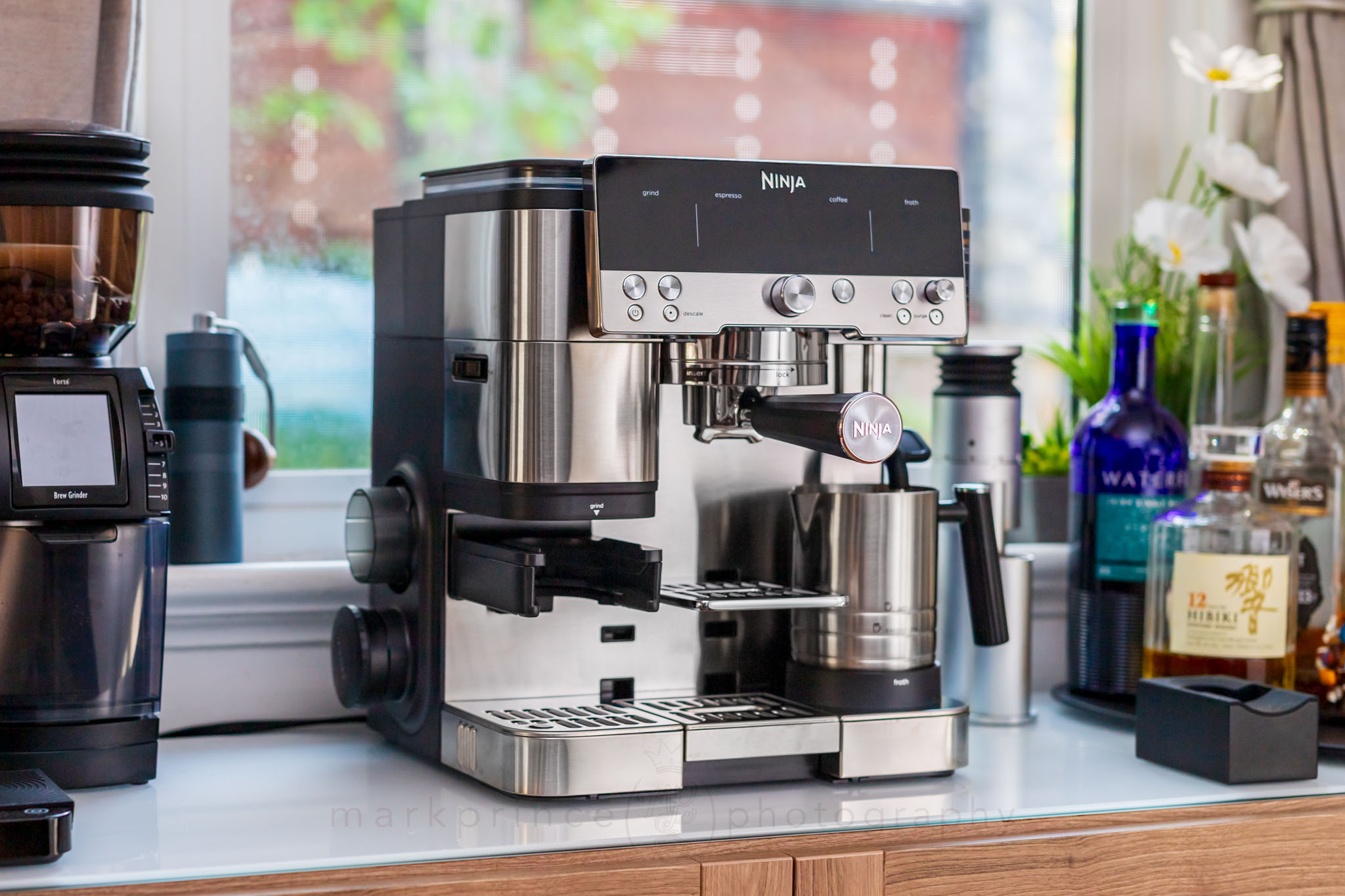
When we talk about a “cheap espresso machine,” we’re generally looking at models priced under $350, with many excellent contenders falling well below the $200 mark. Now, let’s be upfront: “cheap” doesn’t mean “bad.” It simply means you’ll likely find fewer bells and whistles, and the materials might lean towards more durable plastics rather than heavy-gauge stainless steel. However, many manufacturers have become incredibly adept at prioritizing core espresso functionality, even in their more affordable offerings. The key is understanding where to compromise and, crucially, where not to. Forget those flimsy, high-bar “espresso makers” that promise the moon but deliver lukewarm, watery coffee; we’re hunting for genuine espresso capability on a budget.
Essential Features to Look for in a Budget Espresso Machine
Navigating the world of affordable espresso machines requires knowing which features are non-negotiable for a genuine shot. Prioritizing these elements will set you up for success.
Consistent Pressure: The Heart of True Espresso
For proper espresso extraction, you absolutely need a machine that can consistently deliver around 9 bars of pressure. Many cheap espresso machines might boast 15 or even 20 “bars,” but this often refers to pump pressure before it hits the coffee, not the actual extraction pressure. Look for machines with a robust pump designed to maintain stable pressure during the brew, as this is crucial for extracting the rich flavors and iconic crema.
Temperature Stability: A Subtle Game Changer
Temperature stability might sound like an advanced feature, but it’s surprisingly important even for a cheap espresso machine. Fluctuations in water temperature can lead to bitter or sour shots. While budget machines won’t have commercial-grade temperature control systems, many now feature thermocoil or thermoblock heating systems that heat up quickly and maintain reasonable stability. A machine that recommends running a blank shot to pre-heat is a good sign that the manufacturer cares about temperature.
Steam Wand: Crafting Your Latte Art Dreams
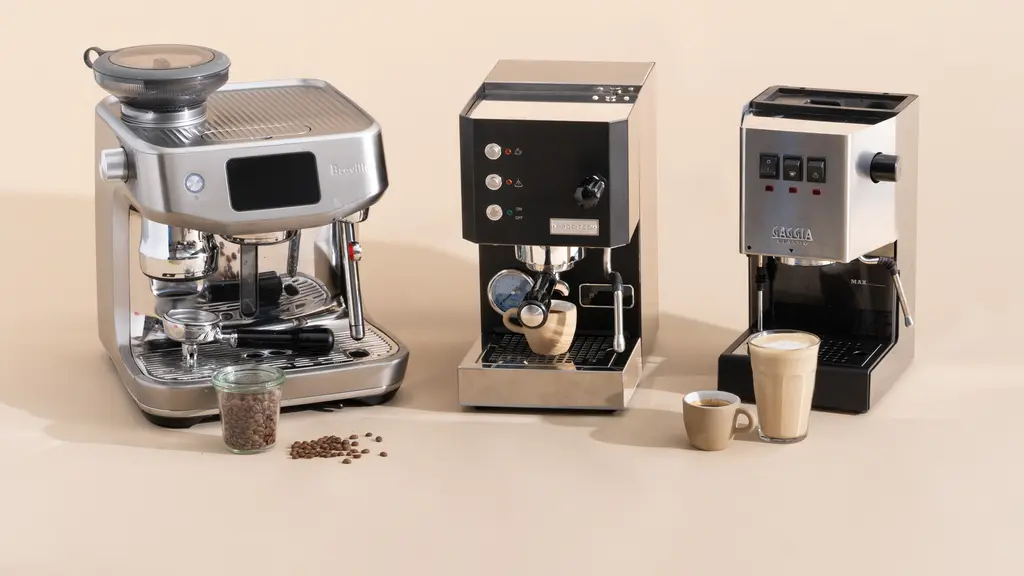
If you’re dreaming of lattes and cappuccinos, a capable steam wand is essential. On a budget, you’ll primarily find manual steam wands. These require a bit of practice but can produce excellent microfoam with patience. Some higher-end budget options, like the Breville Bambino, even offer impressive automatic steaming features. Look for a wand with decent power that can heat milk effectively, even if it takes a little longer than commercial machines.
Portafilter Type: Pressurized vs. Non-Pressurized
Many cheap espresso machines come with pressurized portafilters. These are more forgiving of grind size and tamping technique, making them ideal for beginners or those using pre-ground coffee. However, for true control and the best quality espresso, a non-pressurized (or “standard”) portafilter is preferred. If you choose a machine with a pressurized portafilter, you can often upgrade to a non-pressurized basket later, especially if you invest in a quality grinder.
Build Quality & Materials: Managing Expectations
Expect to see more plastic components in a cheap espresso machine. This is a common cost-saving measure. However, ensure that critical components like the portafilter and brew group are made of durable metals where possible. A sturdy frame and a robust water reservoir contribute to the machine’s overall lifespan and ease of use.
Types of Cheap Espresso Machines That Deliver
The market for affordable espresso machines is diverse, offering several types that can meet your needs without breaking the bank.
Entry-Level Semi-Automatic Machines
These are perhaps the most popular category for a budget-conscious home barista. Brands like De’Longhi and Casabrews offer excellent options that provide a good balance of manual control and convenience. The De’Longhi Stilosa and Casabrews 3700 Essential are often highlighted for their ability to pull rich shots with good crema, often available for around $100-$150. They typically include a basic steam wand and simple controls, making them very beginner-friendly. The Breville Bambino (often around $300) represents a step up, offering faster heat-up times and more advanced features for its price point.
Manual Lever Espresso Makers: The Hands-On Approach
For those who enjoy a truly tactile coffee experience, manual lever espresso machines offer surprising quality at a relatively low cost. Models like the Flair Neo Flex or Leverpresso allow you to control the entire extraction process, from pre-infusion to pressure profiling, using only arm strength. “These manual machines often punch above their weight in terms of shot quality,” observes Anya Sharma, a renowned barista and espresso machine technician. “They might require more effort, but they teach you valuable barista skills and can produce exceptional espresso.” These are excellent choices if you prioritize shot quality and a hands-on approach over speed and automation.
Capsule/Pod Systems: Convenience at a Price
While perhaps not “true” espresso in the purest sense due to pre-ground coffee in pods, capsule systems like the Nespresso Vertuo Pop+ offer unparalleled convenience and a consistent, albeit less customizable, espresso-style drink. They are generally affordable to purchase, with costs accumulating over time through capsule purchases. They’re ideal for those who prioritize speed and minimal cleanup.
Moka Pots: The Original “Espresso-Style” Brew
For under $100, the iconic Bialetti Moka Express offers a concentrated, rich coffee that many consider “espresso-like.” While it doesn’t achieve the same pressure as a pump-driven machine, it’s a timeless, simple, and incredibly durable way to make strong coffee that forms a fantastic base for milk drinks. It’s a fantastic entry point into home brewing, especially for those who prefer stovetop methods.
Getting the Most Out of Your Cheap Espresso Machine: Tips from an Expert
Owning a cheap espresso machine is just the first step. To unlock its full potential, a few critical considerations are paramount.
The Grinder is King
This is perhaps the most important piece of advice you’ll ever get about home espresso, regardless of your machine’s price: invest in a good espresso-specific burr grinder. Even the most expensive espresso machine will produce subpar coffee if fed with inconsistently ground beans. For a cheap espresso machine, a quality grinder is even more crucial as it allows you to fine-tune your grind to compensate for any minor inconsistencies in the machine itself. Budget around $150-$250 for a decent entry-level espresso grinder. As Anya Sharma always says, “You can make better espresso with a $500 grinder and a $100 machine than with a $50 grinder and a $1000 machine. The grinder is the true hero of your home setup.”
Fresh Beans Matter
Always use freshly roasted coffee beans. Coffee is a perishable product, and stale beans quickly lose their flavor and ability to produce good crema. Buy whole beans from a local roaster or a reputable online source and grind them just before brewing.
Mastering the Basics: Tamping, Pre-heating, Shot Timing
Even with a cheap espresso machine, good technique makes a huge difference:
- Tamping: Apply even, firm pressure to the coffee grounds in the portafilter. An uneven tamp can lead to channeling and poor extraction.
- Pre-heating: Always pre-heat your portafilter and cup. Run a blank shot of hot water through the portafilter before adding coffee to ensure the brew path is warm.
- Shot Timing: Aim for an extraction time of 25-30 seconds for a double shot (around 2 ounces). Adjust your grind size to hit this target. If the shot runs too fast, grind finer; if too slow, grind coarser.
Maintenance for Longevity: Keeping Your Budget Machine Brewing
A cheap espresso machine, like any appliance, benefits from regular care. Proper maintenance will extend its lifespan and ensure consistent performance.
- Daily Rinse: After each use, rinse your portafilter and wipe down the steam wand.
- Backflushing: If your machine allows, backflush regularly (with or without a cleaning detergent, as per manufacturer instructions) to clear coffee oils from the brew group.
- Descaling: Hard water can lead to mineral buildup. Descale your machine every 1-3 months, depending on your water hardness and usage, using a descaling solution recommended by the manufacturer. This prevents blockages and maintains heating efficiency.
- Wipe Down: Keep the exterior clean to prevent grime buildup and maintain hygiene.
When to Consider Spending a Little More (or Not): Understanding the Trade-offs
While a cheap espresso machine can deliver surprisingly good results, it’s important to understand where the compromises lie. Higher-priced machines often offer:
- Enhanced Durability: More metal construction, better components that withstand daily use for years.
- Greater Consistency: More precise temperature control (PID), more stable pressure.
- Advanced Features: Integrated grinders, volumetric dosing, automatic milk frothing with precise temperature control, faster heat-up and recovery times.
- Better Steam Power: Drier, more powerful steam for quicker milk frothing and easier latte art.
As CoffeeGeek notes, the true entry point for a robust home espresso setup (including a good grinder) often starts around $500 for long-term reliability. However, if your budget truly doesn’t allow for that, an excellent cheap espresso machine combined with a smart grinder choice and diligent technique can get you 90% of the way there. It’s about finding the best value for your specific needs and being realistic about what a budget machine can (and cannot) do.
Frequently Asked Questions about Cheap Espresso Machines
Q: Can a cheap espresso machine make good crema?
A: Yes, absolutely! Many modern cheap espresso machines are capable of producing rich, golden-brown crema, especially when paired with freshly ground, quality beans and proper technique. Pressurized portafilters, common in budget machines, can also help generate crema.
Q: Do budget machines last long?
A: The lifespan of a cheap espresso machine can vary. While they may use more plastic components, proper maintenance—including regular cleaning and descaling—can significantly extend their durability and ensure they brew delicious coffee for years.
Q: What’s the biggest compromise with a cheap espresso maker?
A: The biggest compromises are often in durability (more plastic parts), consistent temperature control, and steam power compared to higher-end models. However, these are often manageable with good technique and diligent care.
Q: Is an expensive grinder really necessary for a cheap machine?
A: An espresso-specific burr grinder is critically important for any espresso machine, especially a cheap one. A good grinder allows you to achieve the precise, consistent grind size needed for proper extraction, which can compensate for some limitations of a budget machine.
Q: How do I know if a cheap machine is right for me?
A: A cheap espresso machine is perfect if you’re a beginner, have limited counter space, or want to enjoy home espresso without a significant upfront investment. If you prioritize convenience, affordability, and are willing to learn basic barista skills, a budget machine can be a fantastic entry point into the world of espresso.
Your Journey to Affordable Home Espresso Begins Now
The pursuit of the perfect espresso shot at home doesn’t have to be an exclusive club. With the right knowledge and a keen understanding of value, a cheap espresso machine can unlock a world of rich, aromatic possibilities right in your kitchen. From the robust semi-automatics that offer a taste of barista life to the hands-on satisfaction of a manual lever, there’s a budget-friendly option waiting for you. Remember to prioritize essential features like stable pressure and temperature, invest wisely in a quality grinder, and embrace the learning curve of mastering your shots. The joy of crafting your own espresso, exactly how you like it, is a rewarding experience that truly elevates your coffee culture. So, dive in, experiment, and savor every delicious drop!