In the bustling world of coffee, the Cafe Espresso Machine isn’t just a piece of equipment; it’s the very heartbeat of your business, the silent workhorse that transforms humble coffee beans into liquid gold. As someone who has spent over 15 years immersed in the intricate mechanics and nuanced flavors of espresso, and as the lead content creator for “Espresso,” the premier platform for espresso machine insights in the U.S., I’ve seen firsthand how the right machine can elevate a cafe from good to legendary. This isn’t just about brewing coffee; it’s about crafting experiences, building loyalty, and perfecting the art of the espresso shot, one extraction at a time.
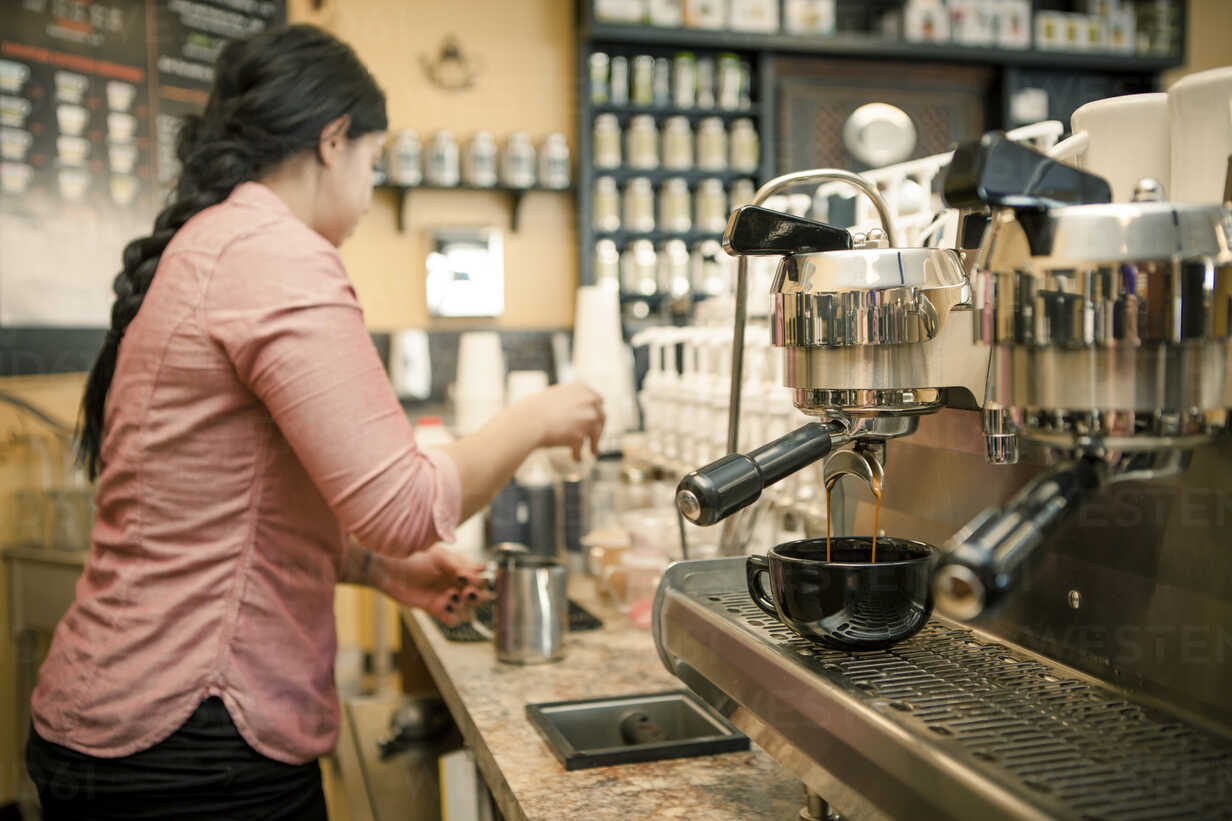
Choosing the ideal cafe espresso machine for your establishment is a pivotal decision that impacts everything from drink quality to operational efficiency. Whether you’re a budding entrepreneur or a seasoned cafe owner looking to upgrade, understanding the evolution, types, mechanics, and maintenance of these sophisticated machines is essential.
A Rich History: The Evolution of Cafe Espresso Machines
The journey of the espresso machine is a fascinating tale of innovation, driven by the desire for speed and perfection. Originating in Italy in the early 20th century, early machines were often massive, steam-powered behemoths, a far cry from the sleek, high-tech units we see today. These early “fast coffee” makers laid the groundwork, but it was the introduction of piston-driven machines in the 1940s, allowing for higher pressure extraction, that truly gave birth to the rich, crema-topped espresso we cherish.
Over decades, continuous advancements in engineering—from the development of rotary pumps to the integration of precise temperature controls (like PID) and multi-boiler systems—have transformed the espresso machine into a marvel of mechanical and hydraulic precision. These innovations have made it possible for cafes to consistently produce exceptional espresso at high volumes, a testament to the industry’s relentless pursuit of the perfect cup.
The Different Types of Cafe Espresso Machines
When you step into the world of commercial espresso machines, you’ll encounter a diverse landscape, each designed to meet different operational needs and barista skill levels. Understanding these categories is the first step toward making an informed choice.
Manual (Lever) Espresso Machines
Manual espresso machines, also known as lever machines, are a nod to tradition. They require the barista to manually pull a lever, compressing a spring that forces water through the coffee grounds. This offers unparalleled control over pre-infusion and pressure profiling, allowing skilled baristas to craft truly unique shots. However, they demand a high level of skill, physical exertion, and consistency, making them more suitable for artisanal cafes with experienced staff and lower volume.
Semi-Automatic Espresso Machines
The most common type found in cafes, semi-automatic machines use an electric pump to generate brewing pressure, but the barista still controls the start and stop time of the extraction. This provides a good balance between automation and control, allowing baristas to fine-tune shots based on the coffee, grind, and desired outcome. They are versatile, reliable, and form the backbone of many successful coffee programs.
Automatic (Volumetric) Espresso Machines
Automatic machines take consistency a step further. They allow baristas to program specific shot volumes, meaning the machine will automatically dispense a pre-set amount of water, stopping the shot at the perfect time. This reduces human error and enhances consistency, especially in busy environments where baristas are multitasking. They’re ideal for cafes that prioritize speed and repeatability without sacrificing too much control.
Super-Automatic Espresso Machines
Often called “bean-to-cup” machines, super-automatics handle almost every step of the process: grinding, dosing, tamping, brewing, and even steaming milk—all at the touch of a button. While incredibly easy to use and requiring minimal training, they offer less control over extraction variables. These machines are typically found in offices, hotels, or restaurants where convenience and speed outweigh the desire for highly customized, artisanal espresso.
How Cafe Espresso Machines Work: Principles and Key Components
Beneath the gleaming exterior of a cafe espresso machine lies a sophisticated system of components working in harmony. Understanding these elements is crucial for optimal operation and troubleshooting.
At its core, an espresso machine forces hot, pressurized water through a compacted bed of finely ground coffee. The pressure, typically around 9 bars, extracts desirable solids and oils, resulting in that iconic concentrated brew.
Boiler Systems
The boiler is the heart of the heating process. Commercial machines primarily use two types:
- Heat Exchanger (HX) Machines: These use a single boiler heated to steam temperature. A tube, or “heat exchanger,” runs through the boiler, heating the brew water on its way to the group head. They allow simultaneous brewing and steaming but require some technique (temperature surfing) to manage brew water temperature consistency.
- Dual/Multi-Boiler Machines: These machines feature separate boilers for brewing and steaming. This design offers superior temperature stability and precision for both functions independently, making them ideal for high-volume cafes where consistency is paramount. Some advanced multi-boiler systems even have individual boilers for each group head, offering ultimate control.
Group Heads
The group head is where the magic happens – the interface where the portafilter locks in. Machines can have one, two, three, or even four group heads, dictating how many shots can be pulled simultaneously. Saturated group heads or electronically heated group heads contribute significantly to temperature stability at the point of extraction.
Pumps
Commercial machines almost exclusively use rotary pumps (vane pumps). These are powerful, quiet, and can be plumbed directly into your water line, ensuring consistent pressure and eliminating the need for constant refilling of a water reservoir.
PID Controllers
Proportional-Integral-Derivative (PID) controllers are digital thermostats that precisely maintain the water temperature in the boilers, minimizing fluctuations and ensuring consistent extraction temperatures shot after shot. This is a game-changer for flavor consistency.
Steam Wands
Crucial for milk-based drinks, steam wands froth and texture milk. High-quality commercial wands offer ample dry steam pressure and a full range of motion. Many modern machines feature “cool-touch” wands for barista safety and some even integrate auto-steaming technology for effortless, consistent milk preparation.
A Barista’s Guide to Operating Your Cafe Espresso Machine
Operating a cafe espresso machine is an art and a science. Even with the best equipment, skilled baristas are essential. Here’s how to optimize workflow and consistency:
- Preparation is Key: Start with fresh, quality beans and a high-performance commercial grinder. Consistent grind size is paramount.
- Dosing and Tamping: Accurately weigh your coffee dose for each shot. A level, consistent tamp is vital for proper water flow and even extraction. “A perfectly prepared puck is the foundation of an exceptional espresso,” says veteran barista Sarah Chen. “It’s where consistency truly begins.”
- Dialing In: This involves adjusting grind size, dose, and yield (output weight) to achieve the desired taste profile. Environmental factors, bean age, and even humidity can affect extraction, requiring daily, sometimes hourly, adjustments.
- Extraction Monitoring: Observe the flow from the group head. A perfect shot starts with a steady, mouse-tail-like stream, developing a rich, tiger-striped crema.
- Milk Steaming: Learn to incorporate air into milk for approximately 1-3 seconds, then submerge the wand to create a vortex, heating the milk to about 140-155°F (60-68°C) for a silky microfoam ideal for latte art. Purge and wipe the steam wand immediately after each use to prevent milk residue buildup.
Mastering the Perfect Espresso Shot for Your Cafe
The perfect espresso shot is a delicate balance of flavor, aroma, and texture. It’s concentrated, complex, and forms the basis for countless coffee creations.
- Crema: The reddish-brown foam on top, a sign of a fresh shot and proper extraction. It traps aromatic compounds, contributing to the espresso’s rich fragrance.
- Aroma: The rich, inviting scent of freshly brewed espresso, a symphony of hundreds of volatile compounds.
- Flavor: A perfect shot should have a balance of sweetness, acidity, and bitterness, with no single note overpowering the others. It should taste clean and vibrant.
- Body: The mouthfeel of the espresso, ranging from light and tea-like to thick and syrupy.
Achieving this mastery requires meticulous attention to detail at every step. From the quality of your water to the freshness of your beans, and the precision of your machine and barista’s hand, each element plays a critical role. Don’t be afraid to experiment, taste, and adjust. That’s how true espresso mastery is forged.
Maintenance and Cleaning for Longevity
A cafe espresso machine is a significant investment, and like any high-performance piece of equipment, it thrives on regular maintenance. Proper care ensures consistent coffee quality, prevents costly breakdowns, and extends the lifespan of your machine.
Daily Maintenance
- Backflushing: At the end of each day, use a blind filter and espresso machine detergent to backflush each group head. This cleans out coffee oils and grounds that build up in the group screen and internal components.
- Group Head Cleaning: Scrub the group head and shower screen with a brush to remove visible coffee residue.
- Steam Wand Purging & Wiping: After every single use, purge the steam wand and wipe it clean with a dedicated cloth to prevent milk from drying and blocking the wand.
- Portafilter Cleaning: Remove and clean portafilters, scrubbing out any coffee grounds from the basket and spout.
- Drain Tray & Grate: Empty and clean the drip tray and grate to prevent odors and buildup.
Weekly/Bi-Weekly Maintenance
- Detergent Soak: Soak portafilters, baskets, and shower screens in a solution of espresso machine detergent and hot water to thoroughly remove stubborn coffee oils.
- Gasket Inspection: Check group head gaskets for wear, cracks, or hardening.
Quarterly/Semi-Annual Maintenance
- Descaling: Depending on your water quality (and assuming you have proper water filtration), your machine will need descaling to remove mineral buildup from the boiler and heating elements. This is crucial for efficiency and preventing damage. “Poor water quality is the silent killer of espresso machines,” notes technical expert David Miller. “Regular descaling and robust filtration are non-negotiable for commercial operations.”
- Filter Replacement: Replace your water filtration system’s cartridges.
- Group Gasket & Shower Screen Replacement: Proactively replace these wear-and-tear items to maintain optimal seal and water distribution.
Annual Maintenance
- Professional Service: Schedule a comprehensive professional service where technicians inspect and replace internal components like pressure safety valves, pumps, and solenoids.
Comparing Top Brands and Models for Commercial Use
The commercial espresso machine market is rich with reputable brands, each offering unique strengths. Here’s a glimpse at some leading names:
- La Marzocco: A titan in the industry, known for its iconic Linea Classic, Linea PB, and the barista-centric Strada. La Marzocco machines are lauded for their exceptional temperature stability, durability, and high-volume capabilities. They are a premium choice for serious cafes.
- Nuova Simonelli: Renowned for reliability and user-friendliness, models like the Appia Life and Aurelia Wave are workhorses in medium to high-volume settings. Their Smart Water technology and Pulse-Jet system offer advanced features for precision.
- Rocket Espresso: While also popular for prosumer machines, Rocket offers robust commercial models like the Boxer Timer, known for its sleek design, consistent results, and programmability, suitable for small to medium-volume cafes.
- Victoria Arduino: Part of the Simonelli Group, Victoria Arduino machines like the White Eagle and the high-end Black Eagle (with T3 temperature control and gravimetric options) are celebrated for their innovative technology, aesthetic appeal, and superior performance in high-volume environments.
- Rancilio: Brands like Rancilio offer a range of dependable machines, often prized for their durability and ease of maintenance, making them solid choices for cafes seeking reliable performance.
- Astoria: Offers both budget-friendly heat-exchange machines and advanced multi-boiler systems like the Tempesta, showcasing versatility for different cafe needs.
- Slayer & Synesso: These boutique brands cater to the high-end specialty coffee market, offering unparalleled control, innovative extraction profiles (like Slayer’s needle valve), and artisanal craftsmanship for baristas seeking ultimate expression.
When considering a specific model, always evaluate your cafe’s volume, desired features (e.g., volumetric dosing, pre-infusion, PID control), and, of course, your budget.
Choosing the Right Cafe Espresso Machine for Your Business
Selecting the perfect cafe espresso machine is a strategic investment that will shape your cafe’s identity and operational flow. Here are the critical factors to consider:
- Cafe Volume: How many espresso-based drinks do you anticipate selling during your busiest hour? This is the most crucial factor. A smaller cafe might thrive with a two-group heat exchanger, while a high-volume establishment will need a multi-group, dual-boiler powerhouse with fast recovery times.
- Budget: Commercial machines range from a few thousand to over twenty thousand dollars. While less expensive models exist, prioritize durability and reliability for commercial use. Remember to factor in the cost of a quality grinder, installation, and ongoing maintenance.
- Space & Design: Measure your counter space. Do you need a compact machine, or can you accommodate a larger, multi-group unit that serves as a visual centerpiece? Consider the machine’s aesthetics to match your cafe’s vibe.
- Barista Skill Level & Workflow: If your team has highly trained baristas who love hands-on control, a semi-automatic or even a lever machine might be suitable. For consistent results with less-experienced staff or high turnover, an automatic volumetric machine or even a super-automatic might be a better fit.
- Power Requirements: Most commercial machines in the U.S. require 220V power. Ensure your electrical setup can support the machine you choose.
- Water Source: Will your machine be plumbed directly into your water line, or will it rely on a water reservoir? Direct plumbing is almost always preferred for commercial settings.
- Certifications: Always verify that the machine meets local food service and safety certifications.
By meticulously evaluating these factors, you can make an informed decision that ensures your cafe espresso machine is not just an appliance, but a cornerstone of your success.
Frequently Asked Questions About Cafe Espresso Machines
Q1: What’s the biggest difference between a home espresso machine and a cafe espresso machine?
A1: Cafe espresso machines are built for durability, higher volume, and consistent performance under continuous use. They typically feature larger boilers, more powerful heating elements, and more robust components designed to withstand the demands of a commercial environment, often requiring 220V power.
Q2: How often should I descale my cafe espresso machine?
A2: Descaling frequency depends heavily on your water quality and usage volume. With proper water filtration, some machines may only need descaling quarterly or semi-annually. Without filtration, weekly or bi-weekly descaling might be necessary in hard water areas. Always follow the manufacturer’s guidelines and monitor your machine’s performance.
Q3: Can I use a single-group espresso machine in a commercial setting?
A3: Yes, a single-group machine can be suitable for very low-volume commercial applications, such as a small office, a restaurant where coffee is secondary, or a mobile coffee cart with limited demand. For typical cafes with even moderate foot traffic, multi-group machines are usually necessary to keep up.
Q4: What does PID stand for, and why is it important in a cafe espresso machine?
A4: PID stands for Proportional-Integral-Derivative. It’s a control loop feedback mechanism that precisely monitors and maintains the temperature of the boiler(s). In a cafe espresso machine, PID control is crucial for ensuring stable brew water temperature, which directly impacts the consistency and quality of your espresso shots.
Q5: Is a built-in grinder good for a commercial espresso machine?
A5: While convenient, especially in super-automatic machines, dedicated commercial espresso grinders generally offer superior grind quality, consistency, and durability for a cafe environment. Separating the grinder allows for better maintenance, easier upgrades, and the flexibility to use different grinders for various coffees.
Conclusion: Your Cafe’s Brew Journey Awaits
The cafe espresso machine is more than just an apparatus; it’s a partner in your daily mission to deliver exceptional coffee. From its humble beginnings to today’s technologically advanced marvels, this machine has continuously evolved to meet the increasing demands of coffee aficionados. By understanding its history, exploring the different types, appreciating its intricate workings, and committing to diligent maintenance, you empower your baristas to craft perfect espresso shots, time and time again.
Choosing the right machine for your cafe is an investment in quality, efficiency, and customer satisfaction. Take the time to assess your needs, delve into the features, and consider the long-term operational impact. Remember, the journey to the perfect cup is ongoing, a delightful blend of science, art, and passion. Embrace the process, experiment with your brew, and share your espresso journey with the world. Here’s to countless perfect shots and thriving coffee experiences!