There’s a special kind of magic that happens when you start your day with a perfectly crafted espresso, the aroma filling your kitchen with promises of a great morning. For discerning coffee lovers and design-conscious homeowners, the allure of a built-in espresso machine is undeniable. Imagine a sleek, integrated appliance that appears almost organically from your cabinetry, ready to deliver barista-quality beverages at the touch of a button, all while reclaiming precious countertop real estate. This isn’t just about convenience; it’s about transforming your kitchen into a sophisticated coffee haven, blending high-tech brewing with impeccable aesthetics. But is a built-in espresso machine the right fit for your home and your daily coffee ritual? Let’s dive deep into every aspect of these remarkable machines.
What Exactly is a Built-In Espresso Machine?
A built-in espresso machine, often referred to as an integrated coffee system, is an appliance designed to be seamlessly installed directly into your kitchen cabinetry or a dedicated coffee bar nook. Unlike a traditional freestanding espresso machine that sits on your counter, a built-in model creates a flush, streamlined look, often aligning perfectly with wall ovens or other integrated appliances. This design choice elevates the overall sophistication of your kitchen, giving it a high-end, bespoke feel, much like having your own personal café just steps away.
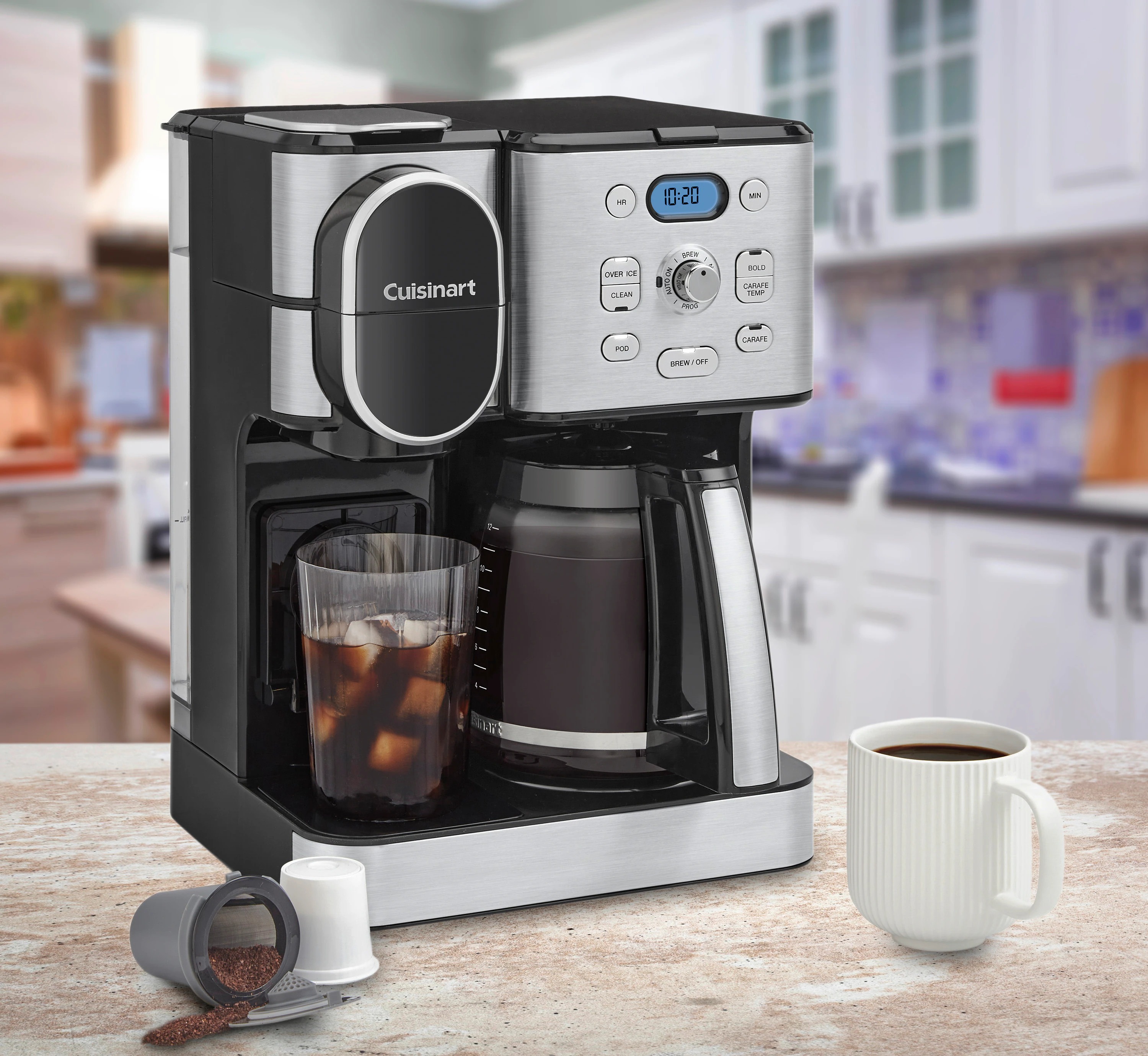
These machines primarily come in two main types: plumbed and non-plumbed. A plumbed built-in espresso machine connects directly to your home’s water line, meaning you’ll never have to manually refill a water tank. This offers unparalleled convenience and consistent water quality, especially when paired with a filtration system. However, it requires professional plumbing installation. On the other hand, a non-plumbed built-in espresso machine features a removable water reservoir that you fill by hand. While it offers more flexibility in terms of installation locations that lack a direct water line, it does mean a bit more daily interaction.
The Allure and Practicality: Pros of a Built-In Espresso Machine
For many, the advantages of a built-in espresso machine go beyond just a great cup of coffee.
Seamless Kitchen Integration and Aesthetics
This is perhaps the most compelling reason homeowners opt for built-in models. They virtually disappear into your kitchen design, creating clean lines and a minimalist aesthetic that countertop machines simply can’t achieve. This integrated look is a hallmark of modern luxury kitchens.
Countertop Freedom
Tired of bulky appliances cluttering your precious counter space? A built-in espresso machine solves this problem beautifully. By being housed within your cabinetry, it frees up valuable real estate, making your kitchen feel more open, organized, and spacious.
Unrivaled Convenience
Many built-in espresso machines are super-automatic, meaning they handle almost the entire brewing process from bean to cup. With just a touch or two, you can enjoy a wide array of beverages – from a strong espresso to a frothy cappuccino or a creamy latte. Many models even allow you to save personalized user profiles, remembering your preferred strength, temperature, and milk settings for a perfectly customized drink every time.
Advanced Features
These machines are often packed with cutting-edge technology. You’ll frequently find integrated conical burr grinders that grind fresh beans for each shot, ensuring optimal flavor and aroma. Many boast automatic milk frothing systems that deliver silky-smooth milk with minimal effort, and some even come with smart features allowing you to control them via an app, or integrate with other smart home devices. Automated cleaning cycles further enhance the convenience, making daily upkeep a breeze.
The Real Talk: Cons and Considerations Before You Buy
While the vision of a built-in espresso machine is certainly appealing, it’s crucial to consider the practical realities and potential trade-offs.
The Investment
Let’s be upfront: built-in espresso machines typically come with a significantly higher price tag than their freestanding counterparts. This initial cost isn’t just for the machine itself but also factors in the complexity of its design and the advanced technology often housed within. For many, this makes them a luxury appliance.
Installation Complexity
This isn’t a DIY project for most. Professional installation is almost always required, especially for plumbed models. Precise cabinet cutouts, dedicated electrical circuits, and water line connections (if plumbed) are essential. Incorrect measurements or a botched installation can lead to costly delays and damage, potentially leaving you with a noticeable gap in your custom cabinetry if the unit needs to be replaced later.
Maintenance and Longevity
While many built-ins feature convenient self-cleaning functions, serious maintenance and potential repairs can be more challenging. Being integrated into the wall makes them less accessible for deeper cleaning, troubleshooting, or part replacement. Some critics point out that these all-in-one super-automatic systems might have more components to break, and proprietary parts can be expensive or difficult to source if the unit is discontinued. The concern about “planned obsolescence” is valid, as a machine failing years down the line could leave a custom-sized hole in your kitchen.
Flexibility and Upgradeability
Once a built-in machine is installed, you’re pretty much committed. Upgrading to a different model or even a different type of espresso machine (like a more hands-on semi-automatic) becomes a major renovation project. Unlike a freestanding machine, which you can easily swap out, a built-in unit locks you into its specific dimensions and design. This lack of flexibility can be a drawback for dedicated coffee enthusiasts who love to experiment with new gear.
Coffee Quality Nuances
While built-in super-automatic machines deliver excellent convenience, some seasoned baristas argue that the coffee quality might not rival that of a high-end semi-automatic machine paired with a top-tier standalone grinder. The integrated grinders, while convenient, may not offer the same level of precision or fine-tuning required for consistently perfect espresso, especially with lighter, specialty roasts. For those who prioritize every nuanced flavor note and enjoy the manual artistry of espresso making, this can be a compromise.
Choosing Your Built-In Brew Master: What to Look For
Selecting the right built-in espresso machine involves careful consideration of several factors beyond just its visual appeal.
Dimensions and Fit
Measure, measure, and measure again! The cabinet cutout dimensions are paramount. Ensure the machine you choose fits perfectly into your designated space, accounting for width, height, and depth, as well as clearance for door swings and proper ventilation.
Plumbing Options
Decide if you prefer the ultimate convenience of a plumbed system, requiring a direct water line, or the flexibility of a non-plumbed unit with a removable water tank. Both have their merits, depending on your kitchen’s infrastructure and your willingness for professional installation.
Grinder Quality
Look for models with high-quality, conical burr grinders. A good grinder is the foundation of excellent espresso. While integrated, ensure it offers sufficient grind settings for fine-tuning.
Milk Frothing Systems
Do you dream of lattes and cappuccinos? Most built-in machines offer automatic milk systems (cappuccinatore) that draw milk from a container and dispense frothed milk directly into your cup. Some high-end models might offer more control, akin to a traditional steam wand.
Programmable Features & User Profiles
The more customizable the machine, the better. Look for options to adjust coffee strength, temperature, volume, and the ability to save multiple user profiles, which is fantastic for households with diverse coffee preferences.
Ease of Cleaning & Maintenance Cycles
Prioritize machines with robust self-cleaning programs, including descaling cycles and easy-to-remove components like brew units and drip trays. This will significantly impact your day-to-day experience and the machine’s longevity.
Brand Reputation and Reliability
Stick with reputable appliance brands known for quality and customer service in the luxury appliance market. Miele, Bosch, Fisher & Paykel, Smeg, Fulgor Milano, Thermador, and JennAir are frequently mentioned as leading manufacturers in this segment. Researching reviews specific to built-in models from these brands can provide valuable insights.
The Installation Journey: A Professional’s Perspective
Installing a built-in espresso machine is not akin to plugging in a toaster; it’s an intricate process best left to certified professionals. This is critical for several reasons. Firstly, precise site preparation is non-negotiable. Your cabinet opening must perfectly match the machine’s dimensions, leaving adequate space for ventilation to prevent overheating. Secondly, ensuring the correct electrical supply is paramount. Many high-power espresso machines require a dedicated circuit to meet their wattage demands safely. Lastly, for plumbed models, integrating with your water lines requires expert plumbing to prevent leaks and ensure consistent water flow and pressure. Attempting to DIY this can void warranties, create safety hazards, and potentially damage your expensive appliance or kitchen.
What should you expect during installation? After meticulous measurements and preparing the cabinet niche, the installer will carefully slide the machine into place, securing it with mounting brackets. They’ll connect the electrical and, if applicable, the water lines, ensuring all connections are tight and leak-free. Finally, they’ll perform initial tests, flush the system, and calibrate the machine, making sure it’s ready to brew its first perfect cup.
Keeping Your Machine Pristine: Essential Maintenance for Longevity
As a coffee expert with over 15 years in the field, I can tell you that an espresso machine, especially a complex built-in unit, thrives on consistent care. Think of it as a finely tuned instrument that requires regular attention to produce its best performance.
Daily Rituals
After each use, clean your steam wand immediately to prevent milk residue buildup, which can quickly turn sour and harbor bacteria. At the end of the day, backflush your machine with water (if applicable to your model) to clear out residual coffee oils from the group head. Don’t forget to empty and rinse the drip tray and used coffee grounds bin; these are prime spots for mold growth if neglected. A quick wipe down of the exterior keeps it looking spotless.
Weekly Deep Clean
Once a week, perform a chemical backflush using an espresso machine detergent and a blind filter (if your machine allows). This breaks down stubborn coffee oils. Additionally, remove and thoroughly rinse your brew group under cold running water, and give the drip tray and water reservoir a good scrub with mild soap. Remember, for brew units, rinse with cold water only, as hot, soapy water can strip necessary lubricants.
Quarterly & Annual Care
Every three to six months, you should consider replacing your group gaskets and shower screens to ensure a proper seal and even water dispersion. Descaling is also crucial, especially if you live in an area with hard water, as mineral buildup can severely impact performance and machine lifespan. “Regular maintenance isn’t just about cleanliness; it’s about preserving the art of extraction and protecting your investment,” says John Smith, Master Barista and Espresso Machine Technician. Annually, or as recommended by the manufacturer, a professional service technician should inspect your machine, checking for leaks, testing pressure, and replacing worn components like O-rings or internal filters.
Water Quality
The unsung hero of great espresso is water. Always use high-quality, filtered water in your machine. This not only enhances the flavor of your coffee but also significantly reduces scale buildup, extending the life of your heating elements and internal components. Many plumbed built-in systems integrate water filtration, but these filters need regular replacement.
Built-In Espresso Machines: Are They Worth the Investment?
After weighing the aesthetics, convenience, cost, and maintenance considerations, the ultimate question remains: is a built-in espresso machine worth it?
For the homeowner who prioritizes a sleek, minimalist kitchen design, values ultimate convenience over hands-on brewing, and makes multiple coffee beverages daily, the answer is often a resounding yes. It’s a statement piece, a luxury appliance that enhances both the visual appeal and the functionality of a modern kitchen. If you love the idea of waking up to a perfectly brewed latte with minimal effort and without cluttering your countertops, a built-in model could be your dream machine.
However, if you’re a passionate home barista who revels in the craft of espresso making, prefers absolute control over every variable, or is working within a tighter budget, a high-quality standalone semi-automatic machine with a dedicated grinder might offer a more satisfying and flexible experience for less investment.
Ultimately, it comes down to balancing your lifestyle, aesthetic preferences, budget, and how you personally define the “perfect cup” of coffee.
Conclusion
The journey into the world of built-in espresso machines reveals a fascinating blend of cutting-edge engineering and elegant design. These machines offer an unparalleled level of convenience and sophistication, seamlessly integrating into your kitchen to create a truly bespoke coffee experience. While the investment and installation complexities are significant, the reward is a beautiful, uncluttered kitchen and instant access to a wide array of barista-quality beverages.
As you consider bringing a built-in brew master into your home, take a moment to reflect on your daily coffee habits, your kitchen’s aesthetic, and your willingness to commit to proper maintenance. With the right choice and diligent care, your built-in espresso machine won’t just be an appliance; it will be the heart of your home’s coffee culture, elevating every sip and enhancing every morning. Make an informed decision, and get ready to transform your coffee routine into an art form.