There’s an undeniable magic in a perfectly pulled shot of espresso – that rich, concentrated elixir topped with a beautiful, tiger-striped crema. For years, this magic was largely confined to bustling cafes, a secret held by skilled baristas. But the landscape of coffee culture, especially here in the United States, has dramatically shifted. More and more enthusiasts are seeking to replicate that authentic experience right in their own kitchens, transforming their morning ritual into an art form. Finding the best home espresso machine is the cornerstone of this journey, a quest for both exceptional flavor and the satisfaction of mastering a craft. In 2022, the market was bustling with innovative machines, making cafe-quality espresso more accessible than ever before.
A Brief History of Espresso Machines: From Steam to Smart Tech
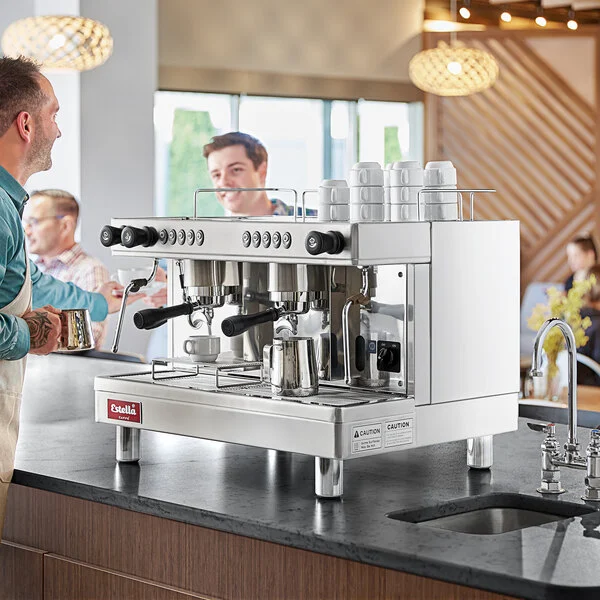
The journey of the espresso machine is a fascinating one, deeply intertwined with our collective love for coffee. It all began in Italy, over a century ago, with rudimentary steam-driven devices. These early machines were powerful but lacked precision, often producing harsh, bitter shots. Fast forward to the mid-20th century, and the introduction of the pump-driven machine revolutionized espresso. This innovation allowed for consistent pressure, leading to the development of the iconic E61 group head – a hallmark of temperature stability and rich extraction that many prosumer machines still proudly feature today.
As technology advanced, so did our home espresso machines. The late 20th and early 21st centuries saw the integration of PID (Proportional-Integral-Derivative) temperature controllers, bringing unparalleled consistency to home brewing. Dual boiler systems emerged, allowing simultaneous brewing and steaming without compromising temperature. More recently, integrated grinders, sophisticated digital displays, and even smart connectivity have transformed these machines into true culinary marvels, bridging the gap between home kitchen and professional cafe.
Understanding Your Home Espresso Machine: Key Types and Their Mechanics
Navigating the world of home espresso machines can feel like learning a new language. As someone who’s spent over 15 years under the hood of these beautiful contraptions, I can tell you that understanding the different types is your first step to finding your perfect match.
Manual Lever Machines
These are the purist’s delight, machines that demand full manual control over every aspect of the extraction process, from pre-infusion to pressure profiling. They are often beautiful, sculptural pieces, offering a deeply satisfying, hands-on experience. However, they come with a steep learning curve and require a significant commitment to technique.
Semi-Automatic Espresso Machines
Often considered the sweet spot for many home baristas, semi-automatic machines give you the control you need to hone your craft without being entirely manual. You’ll typically grind your own beans, tamp the coffee, and initiate/stop the shot yourself. The machine handles the water temperature and pressure, providing a consistent foundation for your espresso. This category includes many of the popular models widely recommended in 2022.
Automatic Espresso Machines
Taking a step further in convenience, automatic machines will pull a pre-programmed volume of espresso with a single button press. You still manage your grind and tamp, but the machine takes care of the shot timing, offering more consistency with less guesswork than a semi-automatic.
Super-Automatic (Bean-to-Cup) Espresso Machines
For ultimate convenience, super-automatic machines do it all. Load your beans into the hopper, fill the water reservoir, and with the touch of a button, the machine grinds, doses, tamps, brews, and often even froths your milk. While they offer unparalleled ease of use, this automation sometimes comes at the cost of ultimate control over fine-tuning the shot, though many modern super-automatics offer impressive customization.
Inside Your Machine: Essential Components and How They Work
Beneath the sleek exterior of an espresso machine lies a complex interplay of mechanics and hydraulics. Understanding these core components will empower you to make an informed decision when choosing the best home espresso machine for your needs.
- The Pump (Pressure): This is the heart of your machine, forcing hot water through the compacted coffee grounds. While many entry-level machines might advertise 15 or 19 bars of pressure, the sweet spot for optimal espresso extraction is generally around 9 bars. Anything significantly higher can lead to over-extraction if not properly managed.
- The Boiler/Heating System: This is where the magic water gets hot.
- Thermoblock/Thermojet Systems: Common in compact and entry-level machines, these systems heat water on demand as it flows through a heated metal block or coil. They heat up incredibly fast, often in seconds.
- Heat Exchanger (HX) Boilers: These machines have a single boiler that maintains steam temperature. A tube runs through this boiler, heating the brew water on its way to the group head. This design allows you to brew espresso and steam milk simultaneously.
- Dual Boiler (DB) Systems: The gold standard for precision. These machines feature two independent boilers – one dedicated to brewing espresso at a precise temperature, and another for steaming milk. This provides superior temperature stability for both functions and allows for simultaneous, uncompromised operation.
- The Group Head: This is the interface where hot water meets your coffee puck. High-end machines often feature the E61 group head, known for its thermal stability and pre-infusion capabilities, ensuring a more even extraction.
- The Portafilter: This is the handled filter basket that holds your ground coffee. You’ll commonly see 54mm or 58mm sizes. A larger diameter (58mm, common in commercial machines) can sometimes be more forgiving with tamp and grind, allowing for a broader, thinner puck.
- The Steam Wand: Crucial for milk-based drinks. A good steam wand provides consistent, dry steam to create velvety microfoam for lattes and cappuccinos. Manual wands offer the most control, while some automatic machines feature integrated milk frothers.
- The Grinder: Often overlooked, but arguably the most critical component for excellent espresso. A consistent, precise grind is paramount. Some machines have built-in conical burr grinders, offering convenience. Many enthusiasts, however, prefer a separate, high-quality burr grinder for superior control and performance.
- PID Temperature Control: This electronic system monitors and adjusts the boiler temperature with incredible accuracy, eliminating temperature fluctuations that can drastically impact the taste of your espresso. It’s a feature I always recommend for consistent results.
Top Picks for the Best Home Espresso Machine 2022
Looking back at 2022, several machines truly stood out, offering a range of options for every budget and skill level. Here are some of the stars that shone brightest, embodying what it means to be the best home espresso machine.
Best Overall for the Aspiring Home Barista: Breville Barista Express
The Breville Barista Express continued to be a crowd-favorite in 2022, and for good reason. It strikes a fantastic balance between manual control and built-in convenience, making it an excellent starting point for those looking to dive deep into espresso making. It features an integrated conical burr grinder, allowing you to go from whole beans to espresso in under a minute. Its semi-automatic controls give you room to experiment with grind size, dose, and shot volume, while its PID temperature control ensures consistent extraction. As Mark “The Maestro” Johnson, a veteran barista and technician, often says, “The Barista Express is like a solid apprenticeship in a box. It teaches you the ropes without overwhelming you, and you can pull genuinely impressive shots.”
Best for Beginners & Small Spaces: Breville Bambino Plus
If counter space is precious and you want cafe-quality espresso without the fuss, the Breville Bambino Plus was a top contender. This compact powerhouse boasts a ThermoJet heating system, meaning it’s ready to brew in a lightning-fast three seconds. Its intuitive controls and automatic milk frother with adjustable temperature and texture settings make it incredibly user-friendly. While it doesn’t have a built-in grinder, pairing it with a quality separate grinder gives you an exceptional, space-saving setup that was highly rated for its simplicity and performance in 2022.
Best Budget-Friendly Option: De’Longhi Dedica Duo / Stilosa
For those looking to dip their toes into home espresso without breaking the bank, the De’Longhi Dedica Duo (or its predecessor, the Stilosa) offered remarkable value in 2022. These ultra-compact, stylish machines provide 15 bars of pump pressure and a manual steam wand for frothing. While they require a separate grinder and more manual interaction, they prove that you don’t need to spend a fortune to enjoy real espresso. They are perfect for understanding the fundamentals of extraction and steaming, and their small footprint is ideal for any kitchen.
Best for Serious Enthusiasts / Prosumer: Diletta Mio / Rocket Appartamento
For coffee lovers ready to make a significant investment, machines like the Diletta Mio or the iconic Rocket Appartamento were top-tier choices in 2022. These machines offer advanced features, robust build quality, and incredible control. The Diletta Mio, with its dual heating paths, allows simultaneous brewing and steaming, complete with a PID and pressure gauge for precise feedback. The Rocket Appartamento, hand-built in Italy, offers a heat exchanger boiler and the classic E61 group head, renowned for its temperature stability and the ability to produce exceptional espresso and steam simultaneously. These are machines for those who cherish the ritual and demand uncompromising quality.
Best for Ultimate Convenience (Super-Automatic): Smeg BCC13 / KitchenAid KF7
For maximum ease of use, super-automatic machines like the Smeg BCC13 or the KitchenAid KF7 were highly recommended in 2022. These bean-to-cup machines handle everything: grinding, dosing, tamping, and brewing. The Smeg BCC13 delivers consistent, well-extracted espresso with minimal fuss, boasting a sleek Italian design. The KitchenAid KF7 offers robust construction and the ability to customize strength, volume, and temperature, even allowing for two specialty drinks at once. These machines are perfect for busy households wanting quality coffee shop drinks with the push of a button.
Mastering the Art: Brewing the Perfect Espresso at Home
Owning a great machine is just the beginning. The true art of espresso lies in understanding the nuances of brewing.
- Grind Size: This is arguably the most critical factor. Espresso requires a very fine, consistent grind, resembling powdered sugar. Too coarse, and your shot will run too fast (under-extracted, sour). Too fine, and it will choke the machine (over-extracted, bitter). Adjust your grinder in tiny increments until you hit that sweet spot.
- Dosing and Tamping: Consistency here is key. Use a scale to measure your coffee dose precisely (typically 18-20 grams for a double shot). Distribute the grounds evenly in the portafilter before applying firm, level pressure with your tamper. A level tamp prevents channeling, where water finds an easy path through the puck, leading to uneven extraction.
- Extraction Time and Yield: A general rule of thumb for espresso is a 1:2 ratio (e.g., 18g in, 36g out) in 25-30 seconds. This is a guideline, not a strict rule, and your taste buds should be the ultimate judge. If your shot runs too fast or too slow, adjust your grind size.
- Milk Frothing Techniques: For milk-based drinks, a good steam wand is essential. Purge the wand before and after use. Immerse the tip just below the surface of cold milk to “stretch” it, incorporating air for volume. Then, submerge it deeper to ” текстур” the milk, creating a vortex that breaks down large bubbles into silky microfoam – perfect for latte art.
Keeping Your Machine Happy: Essential Maintenance and Cleaning
Just like a high-performance car, your espresso machine needs regular care to deliver its best. Proper maintenance not only extends the life of your machine but also ensures every shot tastes fantastic.
- Daily Rituals: After each use, purge your steam wand to clear any milk residue and wipe it down with a damp cloth. Remove the portafilter, discard the coffee puck, and rinse the portafilter and basket thoroughly. A quick flush through the group head helps clear any stray grounds.
- Weekly Deep Cleans: For semi-automatic and prosumer machines, a weekly backflush with a specialized espresso machine cleaner is crucial. This cleans the group head and internal pathways. Soak your portafilter baskets and steam wand tips in a cleaning solution to remove stubborn coffee oils and milk fats.
- Descaling: Mineral buildup from water can severely impact your machine’s performance and lifespan. Depending on your water hardness and usage, you should descale your machine every 1-3 months using a descaling solution recommended by the manufacturer. Many modern machines have built-in descaling cycles and indicators to guide you. Neglecting this step is a common culprit for poor performance.
Choosing Your Ideal Home Espresso Machine
Selecting the Best Home Espresso Machine 2022 for your needs comes down to a few key considerations:
- Budget vs. Features: Espresso machines range widely in price. Determine your budget and prioritize features. Are you willing to invest more for integrated grinders, dual boilers, or greater automation?
- Skill Level and Desired Involvement: Are you a beginner seeking convenience, or an aspiring barista eager to master every variable? This will guide you toward super-automatic, automatic, or semi-automatic machines.
- Space Considerations: Measure your counter space. Compact machines like the Breville Bambino Plus or De’Longhi Dedica Duo are excellent for smaller kitchens, while larger prosumer models might require more room.
- Drink Preferences: If you primarily drink straight espresso or Americanos, your needs differ from someone who enjoys multiple lattes and cappuccinos daily. Machines with powerful steam wands or automatic milk frothers will be essential for milk-based drinks.
- Long-term Investment vs. Entry-Level: Consider if this is a starter machine or a long-term investment. Durable machines with easily replaceable parts can last for decades with proper care.
Frequently Asked Questions
Understanding the nuances of espresso machines often leads to common questions. Here are some of the most frequently asked, straight from my experience:
Q: What’s the ideal pressure for home espresso?
A: While many machines boast high bar ratings, the optimal brewing pressure for espresso is generally around 9 bars. Anything significantly higher is often marketing and doesn’t necessarily translate to better espresso.
Q: Do I need a built-in grinder, or is a separate one better?
A: A built-in grinder offers convenience and saves counter space. However, serious enthusiasts often prefer a separate, high-quality burr grinder. Dedicated grinders typically offer more precise adjustments and better grind consistency, which is crucial for superior espresso extraction.
Q: How often should I descale my machine?
A: This depends on your water hardness and how frequently you use your machine. As a rule of thumb, every 1 to 3 months is a good interval. If you have very hard water, you might need to descale more often. Using filtered water can help reduce mineral buildup.
Q: Can I use pre-ground coffee in my espresso machine?
A: While possible, pre-ground coffee is generally not recommended for espresso. Coffee begins to lose its aroma and flavor rapidly after grinding. For the best possible espresso, always use freshly roasted, freshly ground whole beans. Pre-ground coffee is often too coarse and inconsistent for optimal espresso extraction.
Q: What’s the difference between a thermoblock and a dual boiler heating system?
A: A thermoblock heats water on demand, quickly taking it from cold to brew temperature. A dual boiler system has two separate boilers: one for brewing and one for steaming. Dual boilers offer superior temperature stability and allow you to brew espresso and steam milk simultaneously without any temperature compromises, which is ideal for high-volume milk drink preparation.
Your Espresso Journey Begins Now
The pursuit of the perfect espresso at home is a rewarding journey, a blend of art, science, and sensory pleasure. The year 2022 offered an impressive array of machines designed to bring that cafe experience into your personal space, proving that the best home espresso machine is truly the one that fits your life, your skills, and your passion. Whether you lean towards the hands-on satisfaction of a semi-automatic or the effortless convenience of a super-automatic, remember that every cup is an opportunity to experiment, learn, and savor. So, dive in, explore the possibilities, and most importantly, enjoy every single delicious drop. Your perfect espresso awaits!