Welcome, fellow coffee aficionados, to Espresso! As a seasoned expert with over 15 years steeped in the rich world of espresso machines, I’ve seen technologies evolve from rudimentary lever systems to sophisticated smart devices. On “Espresso,” the leading platform for coffee machine insights in the US, our mission is to empower you with knowledge. Whether you’re a budding home barista or a seasoned pro, finding the Best Espresso Machine 2023 for your countertop is about more than just brewing coffee; it’s about crafting an experience, a daily ritual that elevates your mornings. This guide cuts through the noise to bring you the definitive insights and top recommendations from my years of hands-on experience, bridging complex mechanics with the art of flavor.
A Brief History of Espresso Machines: From Steam to Silicon
The journey of the espresso machine is a fascinating one, mirroring humanity’s relentless pursuit of perfection in a cup. It all began in late 19th century Italy, driven by the desire for a faster coffee-making process. Early machines relied on steam pressure, often producing bitter, inconsistent shots. Fast forward to the mid-20th century, and innovations like the lever piston group, championed by Achille Gaggia, allowed for higher pressure extraction using springs and levers, giving birth to the characteristic “crema” we now cherish.
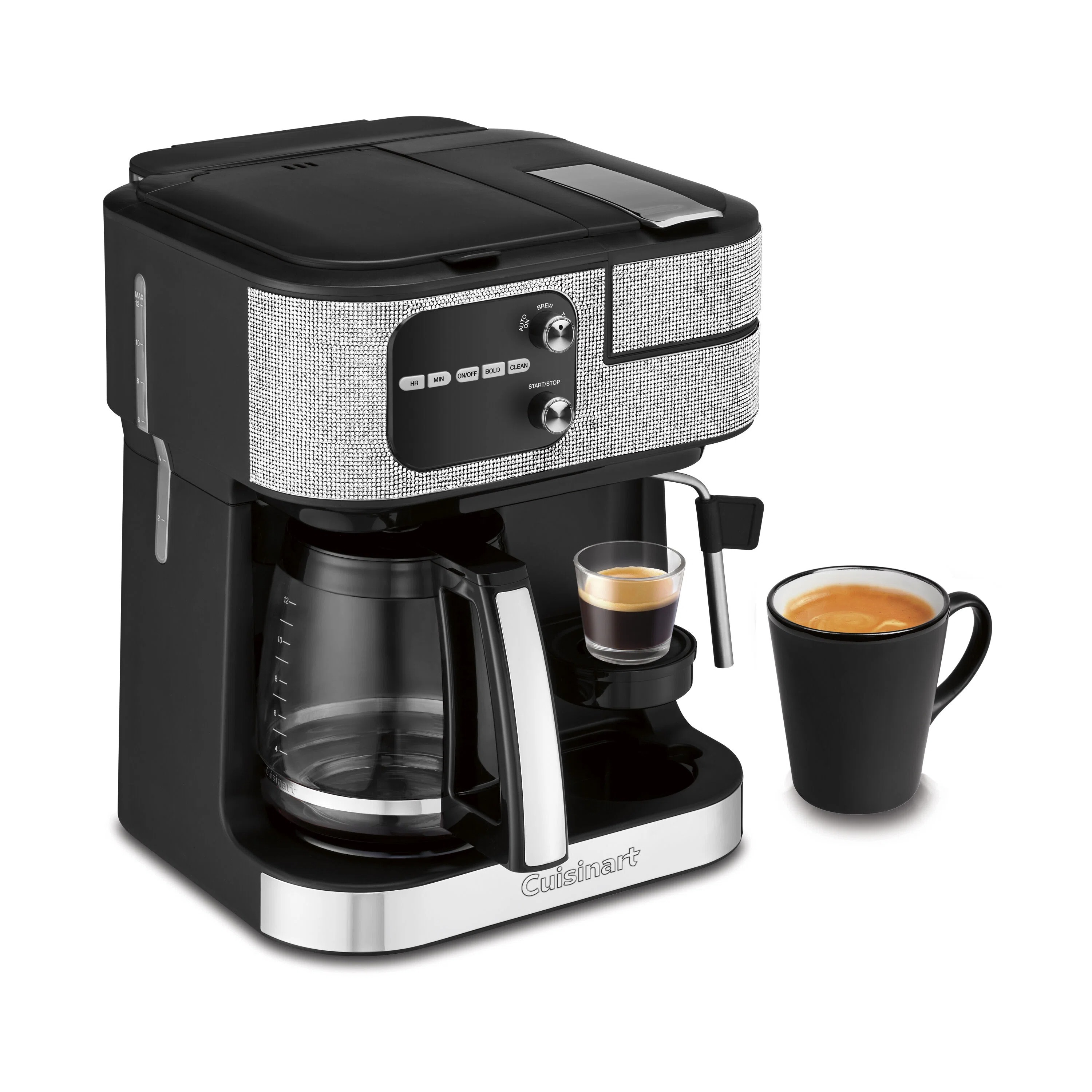
The evolution didn’t stop there. The introduction of pump-driven machines brought consistency and ease, paving the way for today’s diverse landscape of semi-automatic, super-automatic, and advanced prosumer models. Each era has contributed vital advancements, from precise temperature control (PID) to integrated grinders and sophisticated milk-texturing systems, all designed to bring the café experience directly into your home.
Understanding Espresso Machine Types: Finding Your Perfect Match
Navigating the world of espresso machines can feel like learning a new language. But don’t fret; it’s simpler than it seems. Essentially, machines are categorized by their level of automation and control, each offering a distinct brewing experience.
Manual Lever Machines
What are manual lever machines? These machines are the most traditional, relying on the user to physically pull a lever to generate pressure for extraction.
Why choose a manual lever machine? They offer unparalleled control over every variable – pre-infusion, pressure profiling, and flow rate – allowing for a deeply personal and nuanced espresso shot. Think of it as driving a stick shift; more effort, but ultimate control and connection to the process. Machines like the Profitec Pro 800 are beloved in this category.
Semi-Automatic Machines
What defines a semi-automatic espresso machine? These are perhaps the most popular for home use, featuring an electric pump that delivers water at the correct pressure. The user controls the grind, dose, tamp, and shot duration, offering a balance between manual control and convenience.
What are the benefits of a semi-automatic machine? They allow you to hone your barista skills, experiment with different variables, and truly understand the espresso-making process. They are fantastic for those who want to be hands-on without the physical exertion of a lever machine.
Super-Automatic Machines
How do super-automatic machines work? These are the epitome of convenience, handling almost every step of the espresso-making process from grinding the beans to tamping and brewing, often at the touch of a button. Many even include automatic milk frothing.
Who are super-automatic machines best for? They’re ideal for busy individuals, those new to espresso, or anyone who desires café-quality drinks with minimal effort and cleanup. Brands like De’Longhi and Jura excel in this segment.
Pod/Capsule Machines
What are pod/capsule machines? These machines use pre-packaged coffee pods or capsules for a quick and mess-free coffee experience.
Why are they different from traditional espresso machines? While convenient, they offer less control over extraction and typically don’t produce true espresso in the traditional sense, often lacking the pressure and customization needed for optimal flavor. We focus on traditional espresso machines for true craftsmanship.
Key Features to Look for in an Espresso Machine
When you’re searching for the best espresso machine 2023, understanding the underlying technology is crucial. Here’s a breakdown of the critical components and features that impact your cup quality.
Boiler Configuration (Single, HX, Dual)
What’s the deal with boilers? The boiler is where the water is heated for both brewing espresso and producing steam for milk. Different configurations affect performance, especially if you enjoy milk-based drinks.
- Single Boiler (SB): Heats water for both functions but not simultaneously. You need to wait for the boiler to reach steaming temperature after brewing. Good for occasional espresso drinkers.
- Heat Exchange (HX): Features a single boiler with a heat exchange tube for brew water. This allows brewing and steaming simultaneously, making it great for milk drink enthusiasts. The Lelit Mara X is a popular HX machine.
- Dual Boiler (DB): Two separate boilers, one for brewing and one for steaming, offering ultimate temperature stability and simultaneous operation without compromise. This is often found in prosumer and commercial machines, such as the Lelit Bianca V3 or Breville Dual Boiler.
Grinder (Built-in vs. External)
Is a built-in grinder good enough? Some machines, especially “all-in-one” models, feature integrated grinders. While convenient, an external, high-quality burr grinder generally offers superior grind consistency and more adjustability, which is vital for perfect espresso. If you opt for a machine without an integrated grinder, investing in a good separate grinder is paramount.
Temperature Control (PID)
What is PID and why is it important? PID (Proportional-Integral-Derivative) controllers precisely regulate the boiler temperature, ensuring shot-to-shot consistency. Without stable temperature, your espresso can taste sour (too cold) or bitter (too hot). It’s a hallmark of a good quality machine.
Pressure Regulation (OPV, Pre-infusion)
How does pressure affect espresso? The ideal brewing pressure for espresso is around 9 bars. An Over Pressure Valve (OPV) helps maintain this. Pre-infusion, a gentle saturation of the coffee grounds before full pressure, helps reduce channeling and promotes a more even extraction, leading to a richer flavor.
Steam Wand (Manual vs. Automatic)
What kind of steam wand should I look for? For milk-based drinks, a powerful and well-designed steam wand is key. Manual wands give you full control for latte art. Automatic systems, found on many super-automatics and some semi-automatics, froth milk for you, often to a pre-set texture. The Breville Bambino Plus, for instance, has a very capable automatic frothing system.
Durability and Build Quality
Why does build quality matter? A well-built machine, often featuring commercial-grade components, stainless steel, and brass, will last longer, maintain temperature better, and withstand the rigors of daily use.
Ease of Cleaning and Maintenance
Is an espresso machine hard to clean? Regular cleaning is essential for machine longevity and taste quality. Look for machines with removable brew groups (common in super-automatics), accessible drip trays, and clear descaling indicators.
Top Espresso Machines of 2023: Our Expert Picks
Based on extensive testing, user feedback, and my deep understanding of espresso machine mechanics, here are the standout contenders for the best espresso machine 2023 across various categories.
Best Overall for Beginners & Value: Breville Bambino Plus
If you’re stepping into the world of home espresso, the Breville Bambino Plus is often hailed as a game-changer. It’s incredibly user-friendly, heating up in just 3 seconds, making it perfect for those rushed mornings. What truly sets it apart is its automatic milk frothing system, which consistently produces velvety microfoam with dairy and many plant-based milks, a feature usually found on much more expensive machines. While compact, its PID temperature control ensures consistent shots, and it uses a 54mm portafilter. It offers an incredible balance of performance, convenience, and affordability, often retailing for under $500. It’s a fantastic entry point without compromising on quality.
Best Super-Automatic: De’Longhi Dinamica Plus
For ultimate convenience without sacrificing flavor, the De’Longhi Dinamica Plus stood out in 2023. This bean-to-cup marvel handles everything: grinding, dosing, tamping, brewing, and even milk frothing with its LatteCrema system. It offers a wide array of customizable drink recipes at the touch of a button and consistently delivers excellent espresso with rich crema. Its intuitive touchscreen interface and ease of cleaning, with a removable brew group, make it a top choice for those who want a barista-quality drink experience without the hands-on fuss. The Jura Z10 and Terra Kaffe TK-02 are also strong contenders in this category, offering advanced features and connectivity.
Best for Enthusiasts & Home Baristas: Gaggia Classic Pro
The Gaggia Classic Pro, especially the E24 model, continues its legacy as a beloved workhorse for home baristas. Made with commercial-grade components in Italy, including a brass boiler and a 58mm portafilter, it offers the durability and performance needed to truly dial in your shots. While it requires a good external grinder and a willingness to learn manual techniques, its robust steam wand and upgrade potential (like adding a PID controller) make it an ideal platform for those who want to master the art of espresso. It’s a machine that rewards skill and experimentation.
High-End/Prosumer Pick: Lelit Bianca V3
For the serious enthusiast looking to invest in an “end-game” machine, the Lelit Bianca V3 was a standout in 2023. This dual boiler machine boasts exceptional temperature stability and a unique flow-profiling paddle on its E61 group head, allowing unparalleled control over extraction. Its elegant design, premium materials, and ability to brew and steam simultaneously without a hitch make it a dream for those who demand precision and consistency. As veteran barista Marcus Thorne once shared, “The Bianca isn’t just a machine; it’s an extension of your craft, giving you the tools to truly unlock the potential of any bean.”
Budget-Friendly Option: De’Longhi Dedica Duo
If your budget is tight but your desire for real espresso is strong, the De’Longhi Dedica Duo is an excellent choice. This compact and stylish semi-automatic machine surprised us with its consistent performance for its price point. It heats up quickly and can produce genuinely good espresso shots. While it lacks a built-in grinder and some advanced features, its solid build and ability to maintain pressure make it a reliable entry-level option. It even offers cold extraction for iced espresso, a modern twist. For under $300, it’s hard to beat for getting your foot in the espresso door.
How to Pull the Perfect Espresso Shot: My Expert Tips
Mastering espresso is a journey, but here’s the roadmap to a consistently great shot:
Grind Size
Why is grind size so important? The grind is the foundation of your espresso. Too coarse, and your shot will be under-extracted and sour; too fine, and it will be over-extracted and bitter. You’re looking for a consistency similar to powdered sugar – fine enough to offer resistance, but not so fine it chokes the machine. Adjust your grinder in tiny increments until your shot flows like warm honey.
Dosing and Tamping
How much coffee and how tight should I tamp? Precision is key. Use a scale to measure your coffee dose (typically 18-20 grams for a double shot). Distribute the grounds evenly in the portafilter before applying consistent, level pressure with your tamper. A good tamp prevents channeling, where water finds easy paths through the coffee bed, leading to uneven extraction.
Extraction Time and Yield
What’s the ideal shot time and volume? For a standard double shot, aim for 25-30 seconds from the moment you activate the pump (after pre-infusion, if applicable). The yield (the amount of liquid espresso in your cup) should typically be around twice the weight of your dry grounds (e.g., 18g in, 36g out). These are starting points; experiment to find your preferred balance.
Pre-infusion
What does pre-infusion do? Pre-infusion gently soaks the coffee grounds with low-pressure water before the full brewing pressure kicks in. This helps to saturate the coffee evenly, reducing the chance of channeling and leading to a more consistent, flavorful extraction. Many semi-automatic and all super-automatic machines offer this feature.
Maintaining Your Espresso Machine for Longevity
Like any precision instrument, your espresso machine thrives on care. Proper maintenance ensures consistent performance and extends its lifespan.
Daily Cleaning
What should I clean daily? After each use, purge your steam wand and wipe it down with a damp cloth. Clean the portafilter and basket thoroughly. Backflushing with a blind basket and espresso detergent (if your machine allows) removes coffee oils from the group head, preventing buildup that can turn your espresso rancid.
Descaling
How often should I descale? Descaling removes mineral buildup (limescale) from your machine’s internal components. The frequency depends on your water hardness, but generally every 1-3 months. Use a manufacturer-recommended descaling solution.
Backflushing
What is backflushing? For machines with a three-way solenoid valve, backflushing involves running the pump with a blind (no-hole) filter basket. This creates pressure that cleans the shower screen and group head, flushing out spent coffee grounds and oils.
Water Quality
Does water quality matter? Absolutely! Filtered water is crucial. Hard water leads to rapid limescale buildup, while overly soft or distilled water can lead to under-extraction and potentially damage the machine. Consider an in-tank water filter or a dedicated water filtration system.
Choosing the Right Espresso Machine for YOU
Deciding on the best espresso machine 2023 comes down to understanding your personal coffee habits and preferences.
Consider Your Skill Level
- Beginner: A super-automatic or a semi-automatic like the Breville Bambino Plus offers a gentle learning curve.
- Enthusiast: A semi-automatic (e.g., Gaggia Classic Pro, Lelit Mara X) allows for deep customization and skill development.
- Expert: A high-end dual boiler or a manual lever machine offers the ultimate control.
What’s Your Budget?
Espresso machines range widely in price. Determine how much you’re willing to invest, remembering that a good grinder is often as important as the machine itself.
How Many Drinks Per Day?
If you’re making multiple milk drinks back-to-back, a machine with an HX or dual boiler system will be more efficient.
Milk Drink Preference?
If lattes and cappuccinos are your daily go-to, prioritize a machine with a powerful steam wand or an efficient automatic milk system.
Counter Space
Don’t forget to measure! Some machines, especially prosumer models, can be quite large.
Frequently Asked Questions (FAQ)
What’s the difference between a semi-automatic and super-automatic machine?
A semi-automatic machine requires you to grind, dose, tamp, and initiate/stop the shot manually, giving you more control over the extraction. A super-automatic machine automates almost the entire process, from bean grinding to brewing and often milk frothing, offering ultimate convenience.
Do I need a separate grinder for my espresso machine?
While some machines have built-in grinders, a dedicated external burr grinder almost always offers superior grind consistency and a wider range of adjustments, which is critical for pulling excellent espresso shots. It’s often the single most impactful upgrade you can make to your setup.
How often should I descale my espresso machine?
The frequency of descaling depends on your water hardness. With average water hardness, descaling every 1-3 months is generally recommended. If you use filtered water or a water softener, you might be able to extend this timeframe. Always consult your machine’s manual.
Can I use any coffee beans in my espresso machine?
While you can use any coffee beans, for the best results, use fresh, whole beans specifically roasted for espresso. Avoid oily beans in super-automatic machines, as they can clog the grinder. Store beans in an airtight container away from light and heat.
What is PID and why is it important in an espresso machine?
PID (Proportional-Integral-Derivative) is an advanced temperature control system. It’s important because it maintains a very stable and precise brewing temperature, which is crucial for consistent espresso extraction. Without PID, temperature fluctuations can lead to sour or bitter shots.
Conclusion
The pursuit of the perfect espresso at home is a rewarding journey, and in 2023, the market offered an incredible array of machines to help you achieve it. From the user-friendly Breville Bambino Plus to the precision-engineered Lelit Bianca V3, there’s a best espresso machine 2023 out there tailored to every skill level and preference. As we’ve explored the history, types, key features, and maintenance, I hope you feel more confident in selecting your next brewing partner. Embrace the process, experiment with your beans and techniques, and most importantly, savor every rich, aromatic sip. Here at “Espresso,” we believe that a great cup of coffee begins with knowledge and passion, and we’re here to guide you every step of the way. Enjoy crafting your perfect home brew!