As a coffee expert with over 15 years steeped in the world of espresso machines, and as a content creator for “Espresso,” the leading platform for espresso machine insights in the U.S., I’ve seen countless machines, from basic home brewers to sophisticated commercial setups. My passion lies in demystifying the art and mechanics of espresso, helping coffee lovers like you achieve that perfect shot without necessarily breaking the bank. The quest for the “Best Affordable Espresso Machine” isn’t just about saving money; it’s about smart investing, understanding value, and unlocking a world of rich, aromatic espresso right in your kitchen.
What Exactly Makes an Espresso Machine “Affordable” and Still Great?
The term “affordable” can be subjective, but in the realm of espresso machines, it typically means finding a balance between cost and quality that delivers consistent, satisfying results for home use. Forget the notion that a quality espresso machine must come with a four-figure price tag. While top-tier machines certainly offer advanced features, many budget-friendly options provide excellent performance, especially if you know what to look for.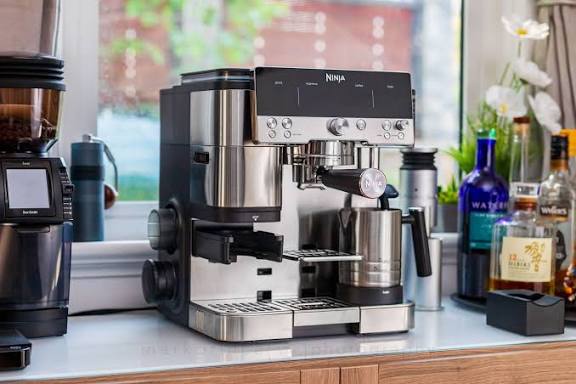
In 2024, the entry point for a truly capable home espresso setup, including a machine and a decent grinder, hovers around $500. It’s a jump from a decade ago, but the good news is that grinder technology has advanced, offering quality options for $200 or less, which is crucial, as the grinder is arguably the true hero of your home espresso journey.
The Non-Negotiables for Value
When evaluating affordable espresso machines, I always look for a few core components that ensure both reliability and the potential for excellent espresso:
- Consistent Pressure (9 Bars): This is fundamental for proper espresso extraction. While many machines advertise 15 or even 20 bars, the ideal brewing pressure is around 9 bars. A machine that can consistently hit and maintain this pressure is key.
- Temperature Stability (PID Control): Water temperature significantly impacts extraction. A PID (Proportional-Integral-Derivative) controller helps maintain a precise and stable brewing temperature, preventing sour or bitter shots. Some affordable machines now include this, a huge win for home baristas.
- Quality Steam Wand: If you love lattes and cappuccinos, a powerful, multi-directional steam wand that can produce fine microfoam is essential. Look for stainless steel wands over plastic for durability and better performance.
- 3-Way Solenoid Valve: This feature, often found in more expensive machines, releases pressure from the portafilter after a shot, preventing “portafilter sneeze” and allowing for a clean, dry coffee puck. It’s a significant convenience and helps with consistency.
- Durable Build: All-metal construction, especially in the group head and portafilter, contributes to thermal stability and longevity.
A Look Back: The Evolution of Affordable Espresso Machines
The history of the espresso machine is rich, dating back to early 20th-century Italy. Initially large, steam-powered behemoths, they’ve evolved dramatically. The shift to pump-driven machines in the mid-20th century revolutionized espresso, allowing for consistent pressure and better extraction. For decades, classic models like the Gaggia Classic and Rancilio Silvia dominated the home espresso market, often requiring significant user skill and sometimes modifications to truly excel.
Today, we’re in a golden age for affordable home espresso. Brands like Breville (Sage in Europe) have pushed the boundaries, integrating advanced features like PID control and rapid heat-up into compact, user-friendly machines at prices previously unimaginable. This innovation has made café-quality espresso more accessible than ever, allowing more Americans to dive into the art of home brewing.
Popular Types of Affordable Espresso Machines
When you’re exploring the world of affordable espresso, you’ll primarily encounter these types:
- Manual Lever Machines: These are for the purists who enjoy full control. Machines like the Flair PRO 2 Lever offer exceptional shot quality by allowing you to manually control pressure. They are unpowered and can’t steam milk, but deliver an incredibly tactile brewing experience.
- Semi-Automatic Espresso Machines: This is where most “best affordable” machines fall. They feature a pump to draw water, and you control the grind, dose, and tamp. Many offer volumetric shot control and a steam wand. They provide a great balance of control and convenience.
- Entry-Level Super-Automatic Machines: While generally pricier, some brands are introducing more affordable bean-to-cup options. These grind beans, tamp, brew, and even froth milk at the touch of a button, ideal for maximum convenience but often at the expense of manual control and customization.
Key Components and How They Work Together
Understanding a few core components helps you appreciate what makes a good shot:
- Pump: Generates the high pressure (ideally 9 bars) needed to force water through the coffee grounds.
- Boiler/ThermoJet/ThermoCoil: Heats the water. Traditional boilers offer more thermal mass, while ThermoJet/ThermoCoil systems heat water rapidly, leading to quicker start-up times.
- Portafilter: The “handle” with a basket that holds the ground coffee. A 54mm or 58mm portafilter is standard, with 58mm being commercial size.
- Group Head: Where the portafilter locks in and hot water is delivered to the coffee puck.
- Steam Wand: Used to froth milk for lattes and cappuccinos, transforming liquid milk into silky microfoam.
“The synergy between a precise grinder and a thermally stable machine is what truly elevates an affordable setup,” explains Anya Sharma, a seasoned barista and espresso machine technician with over 20 years of crafting the perfect shot. “You can have the best machine, but without consistent grind size and temperature, your espresso will always fall short.”
Mastering Your Affordable Espresso Machine: A Step-by-Step Guide
Even with an affordable machine, proper technique is paramount. Here’s a simplified workflow:
- Prepare Your Beans: Start with fresh, high-quality whole beans. Grind them just before brewing to an espresso-fine consistency.
- Dose and Tamp: Measure the correct amount of grounds (typically 18-20g for a double shot) into your portafilter. Distribute evenly, then tamp with firm, level pressure.
- Heat Everything Up: Run a blank shot through the portafilter to pre-heat it and the group head. A warm portafilter is critical for temperature stability.
- Pull Your Shot: Lock the portafilter into the group head. Start the brew. Aim for a yield of 1:2 (e.g., 18g in, 36g out) in 25-30 seconds. Adjust grind size if your shot is too fast (finer) or too slow (coarser).
- Steam Your Milk (if desired): Purge the steam wand briefly to clear any condensed water. Submerge the tip just below the surface of cold milk to create a “whirlpool” for stretching, then lower it to incorporate air and create microfoam.
- Clean Up: Immediately clean your portafilter and purge the steam wand after use to prevent coffee oils and milk residue from building up.
Crafting the Perfect Espresso: Tips and Tricks
Achieving a “perfect” shot is a journey, not a destination. Here are some pro tips:
- Invest in a Good Grinder: This is often stated, but cannot be overemphasized. A burr grinder (conical or flat) specifically designed for espresso will make the biggest difference in consistency and flavor.
- Fresh Beans are King: Coffee begins to lose freshness rapidly after roasting. Buy smaller quantities frequently.
- Weight, Don’t Guess: Use a precise scale to measure your coffee grounds and the espresso yield. This allows for repeatability and fine-tuning.
- Pre-infusion: Many affordable machines offer pre-infusion, a brief low-pressure soak before full extraction. This helps saturate the coffee bed evenly and can improve extraction.
- Temperature Surfing (for non-PID machines): For machines without PID, you can often “temperature surf” by flushing water through the group head until the heating element kicks in, then brewing just as it cycles off, aiming for a more stable temperature.
- Practice, Practice, Practice: Espresso is an art and a science. Don’t be discouraged by imperfect shots. Each one is a learning opportunity.
Maintenance and Cleaning: Keeping Your Machine Happy
Regular maintenance extends the life of your affordable espresso machine and ensures every shot tastes great.
- Daily: Rinse the portafilter and baskets, wipe down the steam wand immediately after use, and empty/clean the drip tray. Run a blank shot through the group head to rinse it.
- Weekly: Backflush the group head with a cleaning tablet (if your machine has a 3-way solenoid valve) to remove built-up coffee oils. Clean the shower screen.
- Monthly/Bi-monthly: Descale your machine to remove mineral buildup, especially if you have hard water. Use a descaling solution recommended by the manufacturer.
- Regularly: Check and replace water filters if your machine uses them.
“Ignoring maintenance is the quickest way to degrade your machine’s performance and the quality of your espresso,” Anya Sharma advises. “A clean machine is a happy machine, and it rewards you with consistently delicious coffee.”
Choosing Your Champion: Comparing Affordable Espresso Machines
When considering an affordable espresso machine, several stand out for their features, performance, and value:
- Breville Bambino Plus: Often hailed as an all-around best pick, it’s compact, heats up in 3 seconds, offers automatic steaming, a 3-way solenoid, and PID control. It’s user-friendly for beginners and powerful enough for enthusiasts.
- De’Longhi Dedica Duo: Praised for its incredibly compact design, solid build, and ability to maintain good pressure. It’s an excellent budget-friendly choice, now with a cold extraction option.
- Gaggia Classic Evo Pro: A modder’s dream, this Italian-made workhorse has a loyal following due to its repairability and the vast community support for upgrades like PID control. It features a 58mm portafilter and a 3-way solenoid valve. (Note: Older Gaggia Classic models may lack PID, making temperature stability a challenge for novices. Newer EVO Pro models have an improved internal coating but some initial reports raised concerns, though CoffeeGeek notes an improved coating.)
- Breville Bambino: The slightly more pared-down sibling to the Plus, it offers instant-on, PID, and powerful steam for a lower price, omitting the automated steaming and 3-way solenoid. Still a great starter machine.
- Cuisinart EM-100: A very budget-friendly option, it’s powerful enough for good shots and features a frother and cup warmer. It lacks a built-in grinder, which is common in this price range.
While machines like the Breville Barista Express are top sellers and offer a built-in grinder, they typically push beyond the strictly “affordable” category, though they offer excellent value for their feature set. The Breville Infuser, however, is often overlooked but offers almost all the features of the Barista Express without the built-in grinder, making it an “underdog champion” if paired with a good separate grinder.
Expert Advice for Your Purchase
Choosing the best affordable espresso machine depends heavily on your lifestyle and commitment to the craft.
- For the Beginner: If you’re just starting, a machine like the Breville Bambino or De’Longhi Dedica Duo offers ease of use and consistent results without a steep learning curve.
- For the Tinkerer/Enthusiast: The Gaggia Classic Evo Pro is an excellent platform for those who enjoy customizing and learning the intricacies of espresso mechanics.
- Consider Your Space: Compact machines like the Bambino Plus or Dedica Duo are perfect for smaller kitchens.
- Don’t Forget the Grinder: Seriously, allocate a significant portion of your budget to a quality burr grinder. It’s often more impactful than the machine itself for shot quality.
“The best affordable espresso machine isn’t just about the initial price tag,” says Anya Sharma. “It’s about the long-term satisfaction and the daily ritual it creates. Choose a machine that excites you to learn and grow with it.”
Frequently Asked Questions About Affordable Espresso Machines
Q: Can I make good espresso with pre-ground coffee in an affordable machine?
A: While possible, fresh beans ground just before brewing make a dramatic difference. Pre-ground coffee stales quickly, leading to flat, inconsistent espresso. Investing in an espresso-capable grinder is highly recommended.
|
Our Picks for the Best Espresso Machine in 2026
As an Amazon Associate I earn from qualifying purchases.
|
||
| Num | Product | Action |
|---|---|---|
| 1 | Breville Barista Express Espresso Machine BES870BSXL, Black Sesame |

|
| 2 | De\\\'Longhi Nespresso Vertuo Plus Coffee and Espresso Maker by De\\\'Longhi, Grey |
|
| 3 | Breville Barista Express Espresso Machine BES870XL, Brushed Stainless Steel |
|
| 4 | Cheffman Barista Pro Espresso Machine With Milk Frother, Home Professional Coffee Maker For Lattes, Cappuccinos & Espresso Drinks – Compact Countertop Design |
|
| 5 | Frigidaire Steam Espresso Maker, Coffee Machine with Milk Frother & Cup Warmer, 20 Bar Pressure, 34 oz Removable Water Tank, Single or Double Shot, Stainless Steel |
|
| 6 | Breville Bambino Espresso Machine BES450BSS, Brushed Stainless Steel |
|
| 7 | Nespresso Vertuo Plus Coffee and Espresso Maker by Breville, Ink Black |
|
| 8 | Espresso Machine 20 Bar, Compact Espresso Maker, Stainless Steel Expresso Coffee Machines with Steam Milk Frother & 34oz Removable Water Tank for Home Latte, Cappuccino, Silver |
|
| 9 | CASABREWS CM5418 Espresso Machine 20 Bar, Compact Espresso Maker with Steam Milk Frother, Stainless Steel Coffee Machine with 34oz Removable Water Tank for Cappuccino, Gift for Women or Men, Silver |
|
| 10 | Nespresso Vertuo Pop+ Coffee and Espresso Maker by Breville, Coconut White |
|
Q: What’s the difference between a thermoblock/thermojet and a boiler?
A: A boiler (often brass or stainless steel) holds a fixed amount of water that is constantly heated, offering good thermal stability. Thermoblock or ThermoJet systems heat water on demand as it passes through a heated metal block, offering rapid heat-up times. Both can produce excellent espresso with proper design.
Q: How important is pump pressure for espresso?
A: Very important! While machines might advertise 15 or 20 bars, the ideal brewing pressure at the group head is around 9 bars. High-quality affordable machines will often have an Over-Pressure Valve (OPV) to regulate this.
Q: Can I make milk-based drinks with any affordable espresso machine?
A: Most semi-automatic and all super-automatic espresso machines come with a steam wand. Manual lever machines typically do not. Check the machine’s features if lattes and cappuccinos are a priority.
Q: Are cheaper espresso machines more likely to break down?
A: Not necessarily. Reputable brands, even in their affordable lines, prioritize quality components. However, very cheap, generic machines (often under $150-$200) may use inferior parts and have poorer quality control, leading to shorter lifespans and inconsistent results.
Conclusion: Your Journey to Exceptional Home Espresso
Embarking on the journey to craft exceptional espresso at home with an affordable machine is a rewarding experience. It’s about more than just a morning caffeine fix; it’s about connecting with the craft, understanding the nuances of flavor, and developing a skill that brings joy and delicious results. By focusing on essential features like temperature stability and a good steam wand, and by pairing your machine with a capable grinder, you’re well on your way to pulling shots that rival your favorite café. So, take the plunge, experiment, and savor every sip of your homemade masterpiece. The best affordable espresso machine is waiting to transform your coffee routine.